Key takeaways:
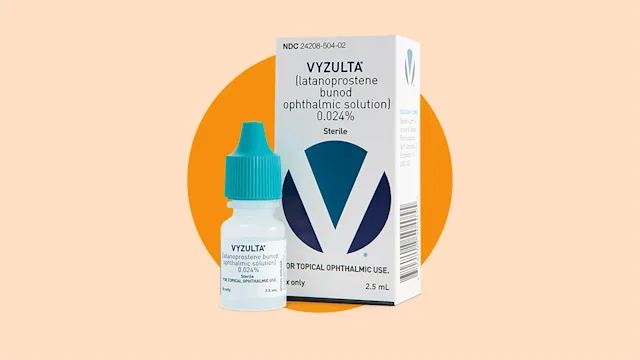
Vyzulta (latanoprostene bunod) is an eye drop that treats high eye pressure and open-angle glaucoma. It’s effective and generally well tolerated.
Most Vyzulta side effects are local to the eye. Red eyes are the most common side effect, but it can also cause eye pain and irritation.
Vyzulta can darken your eyelashes, eyes, and eyelids. Your eyelashes may also grow longer and fuller when prescribed this medication. Some people find these eyelash changes to be an unintentional benefit of the treatment.
Save on related medications
If you schedule an appointment with an eye specialist, there’s a chance they’ll evaluate your eye pressure. This test, along with several others, helps diagnose eye conditions like glaucoma.
Glaucoma is more than just a health condition. It’s actually a group of diseases that have one thing in common — some degree of optic nerve damage. This nerve connects your eyes to your brain, allowing you to interpret and understand things that you see. Damage to the optic nerve can cause vision loss.
Although there’s no cure for glaucoma, several treatments can help slow it down. Of these, glaucoma eye drops are especially common. One newer medication is Vyzulta (latanoprostene bunod).
Vyzulta is a convenient, once-daily eye drop. It’s FDA approved to treat high eye pressure and open-angle glaucoma (the most common type of glaucoma). A type of prostaglandin medication, it’s known for how well it works to manage glaucoma. But just like with any other medication, Vyzulta comes with some risks and side effects to consider.
Vyzulta side effects at a glance
Vyzulta’s side effects usually only affect the eyes. They rarely affect other parts of your body. Still, it’s good to know what to expect when starting Vyzulta.
Common Vyzulta side effects include:
Red eyes
Eye irritation
Eye pain
Rarer side effects include:
Darker eyes, eyelids, and eyelashes
Longer and thicker eyelashes
Eye inflammation and swelling
Bacterial infections
Feeling like there’s something in your eye
Let’s discuss five notable Vyzulta side effects and how to manage them.
1. Red eyes
Eye redness (“bloodshot” eyes) was the most commonly reported side effect of Vyzulta during clinical trials. It does this by dilating blood vessels in your eyes. And this effect isn’t unique to Vyzulta. Many other glaucoma eye drops cause red eyes too.
In most cases, eye redness is most intense at the beginning of treatment with Vyzulta. It should get less intense over time and eventually subside altogether.
There are ways to manage eye redness in the meantime. Similar to other prostaglandin eye drops, it’s recommended to administer Vyzulta at bedtime. This is mainly because they manage eye pressure more effectively at night. But it can also make red eyes less noticeable.
However, be careful with redness-relief treatments. If you’ve had bloodshot eyes in the past, you may have tried over-the-counter (OTC) products such as Clear Eyes (glycerin / naphazoline). While convenient, these eye drops aren’t the best option to manage red eyes from Vyzulta. They may actually increase the pressure in your eye. This isn’t ideal with glaucoma.
2. Eye irritation, pain, and feeling like there’s something in your eye
Vyzulta can cause eye pain and irritation. You may feel burning, stinging, or dryness in your eye after administering a dose. Feeling like there’s something in your eye can also happen.
These symptoms are likely the result of a poor reaction to preservatives that are added to the eye drop. Preservatives help prevent contamination with bacteria and other germs, but they can be hard to tolerate. Vyzulta contains the preservative benzalkonium chloride (BAK), which is known to cause irritation.
These symptoms may go away as your eyes get used to the medication. But you don’t have to stand by and try to tolerate the discomfort. Artificial tears, which can be found OTC at your pharmacy, can help moisten and hydrate your eyes to make them feel less irritated. Administering your Vyzulta dose before bedtime should also help dull some of these symptoms.
Other glaucoma eye drops are an option, too. Some prostaglandin eye drops don’t have BAK — including Travatan Z (travoprost) and Zioptan (tafluprost). If you want or need to avoid eye drops containing BAK, talk to your eye specialist about trying a BAK-free option.
Good to know: BAK can damage soft contact lenses. This is why it’s recommended to remove your contacts before instilling Vyzulta. You can put your contacts back in 15 minutes after using the eye drops.
3. Longer or thicker eyelashes
Vyzulta may make your eyelashes grow longer and thicker. It can also increase the number of eyelashes and change the direction of how they grow. This is likely because Vyzulta mimics your body’s natural prostaglandins.
Eyelash growth doesn’t cause pain or discomfort. In fact, many people consider this a benefit of the medication. A different prostaglandin eye drop (Latisse) is even approved to promote eyelash growth. But if you’re bothered by this side effect, talk to your eye specialist to figure out the next steps.
Vellus, or “peach fuzz,” hair changes are also possible with Vyzulta. In rare cases, it could increase the growth of hairs under the eyelids.
Keep in mind: Don’t get concerned if you don’t like your new look. These changes are generally reversible after stopping the medication.
4. Darker eye color
Vyzulta has the ability to darken your eye color. It can darken your irises (the colored part of your eye) and eyelids.
This change is attributable to a different prostaglandin-related effect. These medications cause cells in your eyes to make more melanin. This is the same chemical that causes browner hair and darker skin.
This side effect isn’t all too common, and it doesn’t happen quickly. You may not see any changes in your eye color for months to years. But, if these changes do appear, they can be permanent. Your eye specialist will likely watch for this side effect, but it’s important to talk to them about any changes you spot during treatment.
5. Bacterial infections
Bacterial keratitis can develop when you’re using eye drops like Vyzulta. This is an eye infection that causes inflammation. It tends to happen when your eye drop bottle becomes contaminated with bacteria.
To prevent bacterial keratitis, wash your hands before administering every dose of Vyzulta. It’s also ideal to avoid touching the tip of the dropper with your hands or eyes. Closing your bottle tightly after each use helps prevent contamination, too.
If you experience watery eyes, eye discharge, or pain when using Vyzulta, be sure to contact your eye specialist without delay. These are possible symptoms of an infection. Vision changes and light sensitivity should also be reported. Treating an eye infection depends on the specific cause, but it can include an antibiotic, antifungal, and/or steroid eye drop.
Frequently asked questions
No, you shouldn’t use Vyzulta and latanoprost together. They’re both prostaglandin analogs, and Vyzulta converts into latanoprost in the eye. Using both at the same time essentially doubles your treatment. This can increase the risk of side effects, such as eye redness or irritation.
Most people only need one prostaglandin analog. If you need extra eye pressure support, your eye specialist may prescribe a different type of glaucoma drop.
It depends if it’s sealed or opened.
Store unopened Vyzulta in the refrigerator between 36°F and 46°F (2°C to 8°C). Keep it protected from light, and don’t freeze it. After you open your bottle of Vyzulta, you can store it in the refrigerator or at room temperature (up to 77°F or 25°C) for up to 8 weeks.
Let your eye specialist know if you experience eye redness, pain, or irritation that’s bothersome or doesn’t go away. They can help figure out if Vyzulta is at fault or if there’s another cause for your symptoms. They can also recommend management tips as needed.
Other situations are more timely. Promptly let your eye specialist know if sudden or severe symptoms appear. Changes in vision and any symptoms of infection (such as eye pus or discharge) are important alarm bells to watch out for.
No, you shouldn’t use Vyzulta and latanoprost together. They’re both prostaglandin analogs, and Vyzulta converts into latanoprost in the eye. Using both at the same time essentially doubles your treatment. This can increase the risk of side effects, such as eye redness or irritation.
Most people only need one prostaglandin analog. If you need extra eye pressure support, your eye specialist may prescribe a different type of glaucoma drop.
It depends if it’s sealed or opened.
Store unopened Vyzulta in the refrigerator between 36°F and 46°F (2°C to 8°C). Keep it protected from light, and don’t freeze it. After you open your bottle of Vyzulta, you can store it in the refrigerator or at room temperature (up to 77°F or 25°C) for up to 8 weeks.
Let your eye specialist know if you experience eye redness, pain, or irritation that’s bothersome or doesn’t go away. They can help figure out if Vyzulta is at fault or if there’s another cause for your symptoms. They can also recommend management tips as needed.
Other situations are more timely. Promptly let your eye specialist know if sudden or severe symptoms appear. Changes in vision and any symptoms of infection (such as eye pus or discharge) are important alarm bells to watch out for.
The bottom line
Most Vyzulta (latanoprostene bunod) side effects are local to the eye and include eye redness, irritation, and pain. It can also cause fuller and longer eyelashes and lead to a darker eye color. Bacterial infections can also occur after starting Vyzulta, but they can often be prevented with good hygiene. Reach out to your eye specialist if you experience bothersome, severe, or long-lasting side effects while taking Vyzulta.

Why trust our experts?




References
Alm, A., et al. (1995). Effects on intraocular pressure and side effects of 0.005% latanoprost applied once daily, evening or morning. Ophthalmology.
American Academy of Ophthalmology. (2022). Feeling of something in eye.
Bausch and Lomb Incorporated. (2024). Vyzulta- latanoprostene bunod solution / drop [package insert]. DailyMed.
Gudgel, D. T. (2022). Eye pressure. American Academy of Ophthalmology.
Gudgel, D. T. (2023). How to put in eye drops. American Academy of Ophthalmology.
Gupta, D., et al. (2016). Glaucoma. American Family Physician.
Hosten, L. O., et al. (2020). Over-the-counter ocular decongestants in the United States – mechanisms of action and clinical utility for management of ocular redness. Clinical Optometry.
Inoue, K. (2014). Managing adverse effects of glaucoma medications. Clinical Ophthalmology.
Lo, T., et al. (2022). Latanoprostene bunod 0.024% in the treatment of open-angle glaucoma and ocular hypertension: A meta-analysis. Journal of Clinical Medicine.
Malik, K., et al. (2022). Prostaglandins. StatPearls.
Mukhopadhyay, R., et al. (2009). A rare complication from prostaglandin analogue therapy. Clinical and Experimental Optometry.
Pisella, P. J., et al. (2002). Prevalence of ocular symptoms and signs with preserved and preservative free glaucoma medication. British Journal of Ophthalmology.