


Nausea Medications During Pregnancy: Which Are Safe to Take?
When morning sickness strikes, expecting parents need fast-acting options to stop the nausea and vomiting. Explore safe nausea medications for pregnancy here.
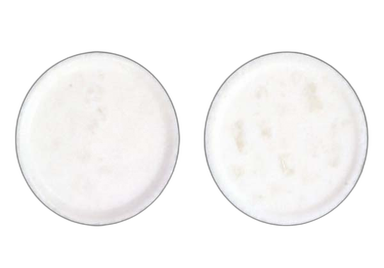
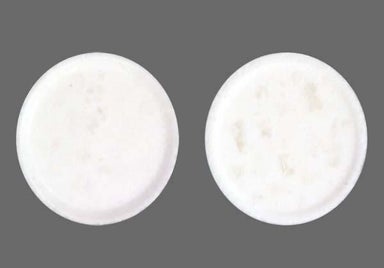
Vitamin B6 (pyridoxine) is a dietary supplement. It's used to treat vitamin B6 deficiency (low levels of vitamin B6) in children and adults. It's usually taken by mouth once daily. But unless directed by your provider, most people don't need to take vitamin B6 (pyridoxine) supplement because they get enough of it through foods like chicken, tuna, or chickpeas. Providers sometimes also recommend vitamin B6 (pyridoxine) for off-label uses, such as treating morning sickness during pregnancy. This supplement isn't likely to cause side effects if you take it as directed at the recommended doses.

Vitamin B6 (pyridoxine) is a dietary supplement. It's a water-soluble vitamin. This means that your body doesn't typically store a lot of it, but passes the extra through urine. Vitamin B6 plays an important role in many different reactions that help provide your body with energy.
This supplement helps give you vitamin B6 when you don't get enough from your diet or have health conditions that cause you to have a low vitamin B6 level.
| Common Brands | Neuro-K-50 |
|---|---|
| Drug Class | Dietary supplement |
| Controlled Substance Classification | Not a controlled medication |
| Generic Status | Lower-cost generic available |
| Availability | Prescription or over-the-counter |

The following side effects may get better over time as your body gets used to the medication. Let your healthcare provider know immediately if you continue to experience these symptoms or if they worsen over time.
See Risks and Warnings.
Contact your healthcare provider immediately if you experience any of the following.
Side effects that you should report to your care team as soon as possible:
Side effects that usually do not require medical attention (report to your care team if they continue or are bothersome):




Vitamin B6 (pyridoxine) can cause some serious health issues. This risk may be even higher for certain groups. If this worries you, talk to your doctor or pharmacist about other options.
It's possible to take too much vitamin B6 (pyridoxine), which can cause serious side effects. Follow your healthcare provider's instructions for how to take this supplement properly. If you experience numbness in your hands or legs, poor muscle control, unsteadiness, bone pain, or any other nerve issues, get medical help right away.

 Tablet
| Dosage | Quantity | Price as low as | Price per unit |
|---|---|---|---|
| 25mg | 90 tablets | $6.77 | $0.08 |
| 50mg | 30 tablets | $4.93 | $0.16 |
| 100mg | 30 tablets | $5.46 | $0.18 |
Vitamin B6 (pyridoxine) is available in different strengths and dosage forms. Make sure to follow the package directions and ask your pharmacist. The dosing below is for the tablets containing 50 mg of pyridoxine.
Adults and children 12 years and older: The typical dose is 1 tablet by mouth daily, or as directed by your healthcare provider.
Vitamin B6 (pyridoxine) is also available by prescription as an IV (in the vein) and IM (in the muscle) injection. Injections are typically given by a healthcare provider.






Prescription savings
Stop paying too much for your prescriptions. Compare prices, get pharmacy coupons, and save up to 80%. Find expert answers to your health questions so you can make the best decisions for yourself and your family.
Health conditions
Medications & treatment
Access & affordability
 Our monthly healthcare membership can help you save thousands on your prescription costs.
Resources

The amount of Vitamin B6 you need per day depends on things like your age, diet, and medical conditions. For example, healthy adults ages 19-50 years old need 1.3 mg of Vitamin B6 per day. Most people can get enough Vitamin B6 from eating a variety of foods, such as fish, chicken, potatoes. But some people need a higher amount of vitamin B6 through supplementation. Follow up with your healthcare provider to find out what's recommended for you.
If you're pregnant, your provider will let you know if you need to take a Vitamin B6 supplement. Pregnant females need 1.9 mg of Vitamin B6 per day, but you typically can get this through foods and might not need an extra supplement. Sometimes, your provider might prescribe Vitamin B6 off-label for nausea during pregnancy. If that's the case, the typical dose of Vitamin B6 is 10 mg to 25 mg by mouth every 8 hours.
Yes, the American College of Obstetricians and Gynecologists (ACOG) recommends Vitamin B6 off-label as a first-choice option for nausea and vomiting during pregnancy. The typical dose of Vitamin B6 for morning sickness ranges from 10 mg to 25 mg by mouth three times a day. Make sure to talk with your provider first before taking it, and follow the instructions from your pharmacist or provider. Pyridoxine is also an ingredient in a prescription medication called Diclegis (doxylamine / pyridoxine) that's FDA approved for morning sickness.
It'll depend on the reason you're taking Vitamin B6, and how severe your symptoms are. Once this vitamin gets absorbed into your body (after about 1 hour), it starts to replenish vitamin B6 quickly. But it might take some time for your symptoms to improve. Talk to your provider about what to expect from treatment with Vitamin B6.
Studies have shown that taking too much Vitamin B6 can be harmful to your health. The Food and Nutrition Board has set recommendations of the maximum amount of Vitamin B6 that should be taken per day to 100 mg per day for adults. This amount is lower in children.
Yes, it's possible to take too much Vitamin B6. Doing so can lead to nerve damage, which can cause numbness and tingling in your arms and legs. Make sure to only take Vitamin B6 as directed by your provider, and check to make sure you're not getting it from other sources (e.g., a multivitamin).
Both Vitamin B6 and Vitamin B Complex are available over the counter (OTC) and you can take them by mouth. While Vitamin B6 only contains one B vitamin (B6), Vitamin B Complex typically contains multiple B vitamins and other supplements. These can include vitamins B1, B2, B3, B5, B6, B7, and B12. But the amount of vitamin B6 can vary depending on which product you choose. Discuss the best supplement options with your provider and ask which dose of vitamin B6 is best for you.
