trifluridine
Trifluridine (Viroptic) is an antiviral eye drop that treats inflammation caused by herpes infections in the eye. It's FDA approved for people 6 years and older. When you first start, the eye drops need to be used frequently, every 2 hours while you're awake, with a maximum of 9 drops per day. This medication comes in both brand-name and generic versions. The most common side effects include temporary burning or stinging when you apply the eye drops to your eye(s).


What is Trifluridine (Viroptic)?
What is Trifluridine (Viroptic) used for?
- Inflammation caused by herpes infections in the eye
How Trifluridine (Viroptic) works
Trifluridine (Viroptic) is a nucleoside analog antiviral. It's not fully understood how it works against viral infections, but it's thought to interfere with the virus's DNA, preventing it from making copies of itself and spreading.
Drug facts
| Common Brands | Viroptic |
|---|---|
| Drug Class | Nucleoside analog antiviral |
| Controlled Substance Classification | Not a controlled medication |
| Generic Status | Lower-cost generic available |
| Availability | Prescription only |

Side effects of Trifluridine (Viroptic)
The following side effects may get better over time as your body gets used to the medication. Let your healthcare provider know immediately if you continue to experience these symptoms or if they worsen over time.
Common Side Effects
- Mild, temporary burning or stinging (5%)
- Eyelid swelling (3%)
Less Common Side Effects
- Injury to the cornea
- Swelling of the cornea
- Eye irritation
- Dry eyes
- Excessive tears
- Higher eye pressure
Trifluridine (Viroptic) serious side effects
Contact your healthcare provider immediately if you experience any of the following.
- Allergic reactions: swelling in your face, rash, itching, eye redness
The following Trifluridine (Viroptic) side effects have also been reported
Along with its needed effects, a medicine may cause some unwanted effects. Although not all of these side effects may occur, if they do occur they may need medical attention.
Check with your doctor as soon as possible if any of the following side effects occur:
Rare
Blurred vision or other change in vision
dryness of eye
irritation of eye
itching, redness, swelling, or other sign of irritation not present before use of this medicine
Some side effects may occur that usually do not need medical attention. These side effects may go away during treatment as your body adjusts to the medicine. Also, your health care professional may be able to tell you about ways to prevent or reduce some of these side effects. Check with your health care professional if any of the following side effects continue or are bothersome or if you have any questions about them:
More common
Burning or stinging
Other side effects not listed may also occur in some patients. If you notice any other effects, check with your healthcare professional.
Call your doctor for medical advice about side effects. You may report side effects to the FDA at 1-800-FDA-1088.

Get your GoodRx coupon

Pros and cons of Trifluridine (Viroptic)
Pros
- Works well to treat a herpes eye infection by helping the eye heal
- Most side effects are mild and temporary
- Proven safe and effective in children as young as 6 years old
Cons
- Must be used multiple times a day
- Can't be used long-term since doing so can cause eye injury
- Doesn't treat infections caused by bacteria, fungi, or other viruses

Pharmacist tips for Trifluridine (Viroptic)

- Take trifluridine (Viroptic) exactly as directed. Regular follow-ups with your prescriber are important to ensure your eye is healing and to determine when your dose should be adjusted.
- Don't stop trifluridine (Viroptic) too early, even if your symptoms are getting better. Doing so can make your infection come back or become harder to treat.
- To use trifluridine (Viroptic), tilt your head back and place a drop in the infected eye(s). Then, close your eye and gently press on the inner corner for 1 to 2 minutes to keep the medication in your eye.
- You might experience some temporary stinging or burning after applying trifluridine (Viroptic). If the irritation is severe or doesn't go away, talk to your prescriber.
- Avoid letting the tip of the trifluridine (Viroptic) bottle touch anything, including your eye. This helps prevent germs from contaminating the medication and your eye.
- Store trifluridine (Viroptic) in the refrigerator, and only take it out when it's time for your dose. Be sure to return it to the refrigerator immediately afterward.
- If your symptoms haven't improved after 7 days, or the ulcer hasn't healed after 14 days, talk to your prescriber as you might need to try a different treatment. It's not recommended to use trifluridine (Viroptic) for more than 21 days since long-term use can cause eye injury.

Risks and warnings for Trifluridine (Viroptic)
Trifluridine (Viroptic) can cause some serious health issues. This risk may be even higher for certain groups. If this worries you, talk to your doctor or pharmacist about other options.
Damage to eyes from long-term use
- Risk factors: Using trifluridine (Viroptic) for longer than 21 days in a row
Use trifluridine (Viroptic) as directed by your prescriber. If your symptoms aren't improving, talk to your prescriber, but don't use this medication more frequently or for longer than prescribed. Using it for longer than 21 days in a row raises your risk for damage to the surface of your eye.
Only for herpes eye infection
Trifluridine (Viroptic) is only for treating herpes infection of the eye, which is diagnosed by a healthcare professional. Don't use this medication for other types of eye infections.
Eye irritation
Trifluridine (Viroptic) can cause irritation on or around the eye, but it's usually mild and temporary. Tell your prescriber if this becomes bothersome or doesn't go away.

Trifluridine (Viroptic) dosage
 Eye dropper
| Dosage | Quantity | Price as low as | Price per unit |
|---|---|---|---|
| 7.5ml of 1% | 1 eye dropper | $61.64 | $61.64 |

Interactions between Trifluridine (Viroptic) and other drugs
Although certain medicines should not be used together at all, in other cases two different medicines may be used together even if an interaction might occur. In these cases, your doctor may want to change the dose, or other precautions may be necessary. Tell your healthcare professional if you are taking any other prescription or nonprescription (over-the-counter [OTC]) medicine.

How much does Trifluridine (Viroptic) cost?
$61.64

What are alternatives to Trifluridine (Viroptic)?

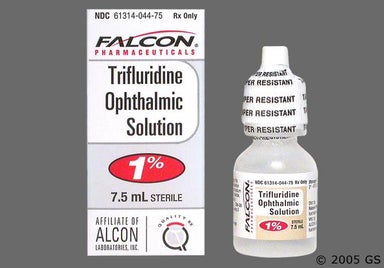
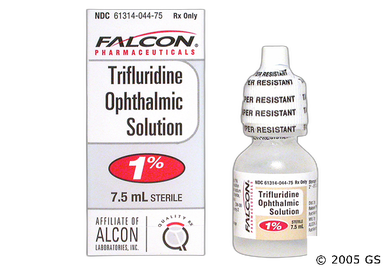
Trifluridine (Viroptic) images