VIDEO CENTER
Eczema
Atopic dermatitis, or eczema, can affect people of all ages — but the symptoms can also be managed to increase your quality of life.

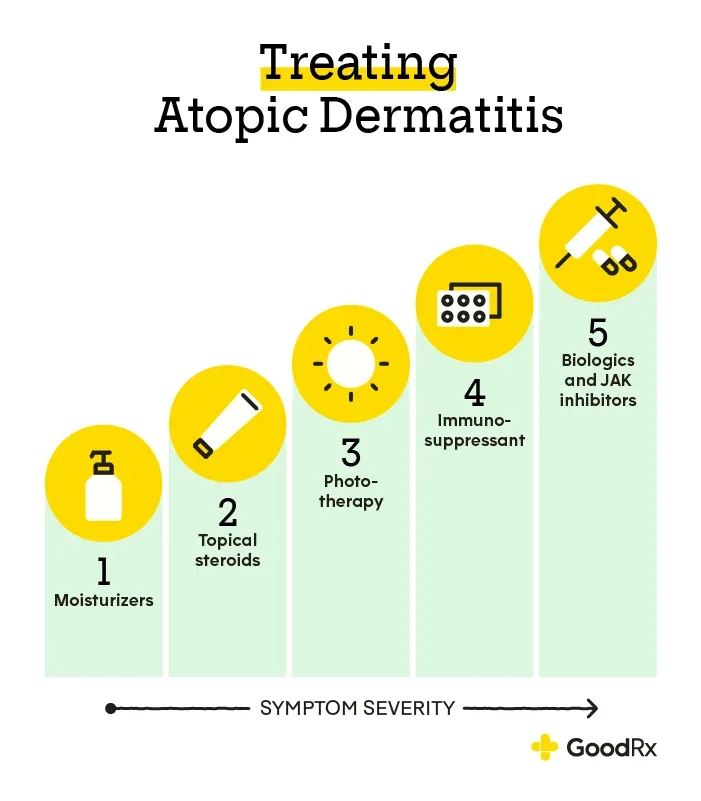
While moderate to severe cases of eczema require medical treatment, lifestyle tweaks like using the right moisturizer and a solid shower routine are also important to help keep eczema symptoms to a minimum. Certain home remedies can make a difference too, says dermatologist Suzanne Friedler, MD, of the Mount Sinai Hospital and St. John’s Episcopal Hospital. You probably already have some of the best natural treatments for eczema already in your pantry:
Coconut oil. This trendy ingredient has long been touted as a natural skin moisturizer, but it actually serves another purpose for eczema: killing off staph bacteria on the skin and reducing the chance of infection. Apply “virgin” or “cold-pressed” coconut oil to damp skin one to two times a day.
Crisco, or vegetable shortening. This is just what people used before coconut oil became so widely available. Bonus: It’s cheaper than coconut oil, too.
Sunflower oil. This oil creates a barrier on the skin to lock in moisture, according to the National Eczema Association. It’s also anti-inflammatory. Apply this the same way you would coconut oil. Oh, and save this treatment for adults, due to the risk of sunflower allergies in children.
Meditation. Stress and emotional health issues may worsen skin conditions, so some doctors use “psychodermatology” to help eczema patients deal with anxiety and emotional disorders. One obvious method is meditation, which can build up your resilience against everyday stress. (If you’re ready to give meditation a shot, try this simple counting meditation.)
Massages. Another way to relieve stress is through massages. Sure, your partner’s massage might be free and totally romantic, but your best bet is to visit a massage therapist who has experience working with non-contagious skin conditions like eczema, says the NEA. Check that the therapist uses oils and lotions that won’t make eczema worse, or bring your own.
Humidifier. A dry home = dry skin. This is especially important when the heat is running in your home, as the warm air will leach the moisture from your skin.
Cold compress. This home remedy for eczema is the perfect quick solution when you need to quell a strong itch. Soak a clean rag in cool water, wring out the excess liquid, and apply to that itchy skin. Don’t forget to follow up with a rich moisturizer, preferably a cream or ointment. (Here are more tips for dealing with eczema itch.)
Plastic wrap and cotton gloves or socks. This home remedy is perfect for those whose eczema appears on their hands or feet. On damp skin, apply a rich moisturizer, wrap the affected skin with plastic wrap, and then cover with cotton gloves or socks. It’s a DIY spa treatment and will make your hands and feet oh-so-supple and soft in the morning.
This information is for informational purposes only and is not meant to be a substitute for professional medical advice, diagnosis or treatment. GoodRx is not offering advice, recommending or endorsing any specific prescription drug, pharmacy or other information on the site. GoodRx provides no warranty for any information. Please seek medical advice before starting, changing or terminating any medical treatment.
Prescription savings
Stop paying too much for your prescriptions. Compare prices, get pharmacy coupons, and save up to 80%. Find expert answers to your health questions so you can make the best decisions for yourself and your family.
Health conditions
Medications & treatment
Access & affordability
Medication discounts


