VIDEO CENTER
Diabetes Type 2
Managing A1C levels and healthy lifestyle changes are crucial in treating Type 2 diabetes.

At this point, you have probably heard that people with diabetes are an “at-risk group” during the COVID-19 pandemic. However, there are some misunderstandings about what exactly that means.
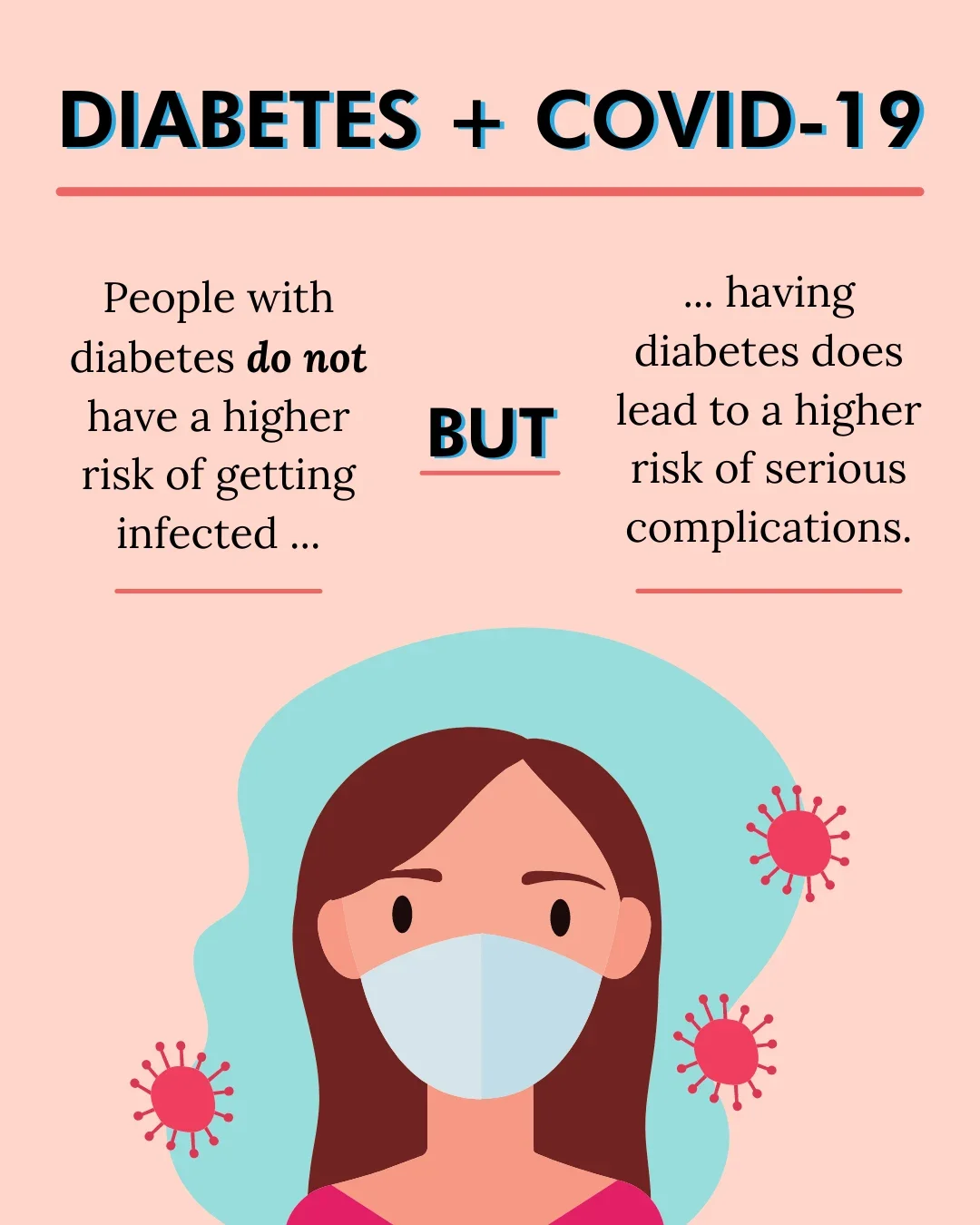
People with diabetes do not have a higher risk of getting infected with COVID-19. The risk is what happens if they do get infected. “People with diabetes should be particularly cautious about contracting COVID-19 because they can experience more severe complications if they do, in fact, get infected,” says Minisha Sood, MD, endocrinologist.
Normally, the hormone insulin helps to control blood sugar levels. For people with diabetes, the pancreas either isn’t producing insulin (type 1 diabetes) or the body isn’t responding to insulin like it’s supposed to (type 2 diabetes). As a result, some people with diabetes may have high blood sugar levels.
High blood sugar levels can have many effects on the body, including compromising the immune system. “First of all, it suppresses the immune system and the body's ability to fight off viral infections, including COVID-19,” says Dr. Sood.
“It also creates an environment in the blood vessels that is unhealthy and can actually promote blood clotting, which we know is an emerging issue in COVID-19 infections,” says Dr. Sood.
Got good control of your blood sugar levels? Your diabetes may be less of a risk factor for COVID-19 complications if your blood sugar levels are stable.
A viral infection, such as COVID-19, can increase the risk of diabetic ketoacidosis. “Ketoacidosis is a condition in the body where blood glucose levels are elevated, and insulin production is decreased. And in that environment the body produces an excess of acids called ketones,” says Dr. Sood.
Ketones are an acid that the body uses as an alternative fuel. Normally, your body uses glucose for energy, but without insulin, the body doesn’t know how to use the glucose. As a result, the liver produces ketones.
The problem is that excess ketones can lead to dehydration and a loss of electrolytes. This can be an emergency in itself, and it can also increase the risk of septic shock.
“For patients who have diabetes and are concerned about their risk for severe complications from COVID-19, I would advise them to take this opportunity to talk to their physicians,” says Dr. Sood.
“Outline a plan to improve and optimize their blood sugar levels,” she suggests. “Take this opportunity to also address some other comorbidities that patients with diabetes often have such as obesity, high blood pressure, high cholesterol. Optimizing all of these areas would likely diminish the risk for severe complications.”
Additionally, you may need to show extra caution to avoid contracting the virus. Check out these COVID-19 prevention tips for at-risk groups.
This information is for informational purposes only and is not meant to be a substitute for professional medical advice, diagnosis or treatment. GoodRx is not offering advice, recommending or endorsing any specific prescription drug, pharmacy or other information on the site. GoodRx provides no warranty for any information. Please seek medical advice before starting, changing or terminating any medical treatment.
Prescription savings
Stop paying too much for your prescriptions. Compare prices, get pharmacy coupons, and save up to 80%. Find expert answers to your health questions so you can make the best decisions for yourself and your family.
Health conditions
Medications & treatment
Access & affordability
Medication discounts


