VIDEO CENTER
Diabetes Type 2
Managing A1C levels and healthy lifestyle changes are crucial in treating Type 2 diabetes.

It’s natural to feel confused during a pandemic of a new disease like COVID-19. New information comes out regularly, sometimes contradicting previous theories. This can feel overwhelming, and it can be difficult to distinguish fact from fiction.
Equipping yourself with the right information is especially important if you have a higher risk of COVID-19 complications. This includes people with diabetes.
“Accurate information can be life-saving. If you experience symptoms of COVID-19, and you take early measures to optimize your health and to decrease your risk of potential severe complications, that’s very important,” says Minisha Sood, MD, endocrinologist in New York City.
Here are the most common myths about COVID-19 that people with diabetes should know about:
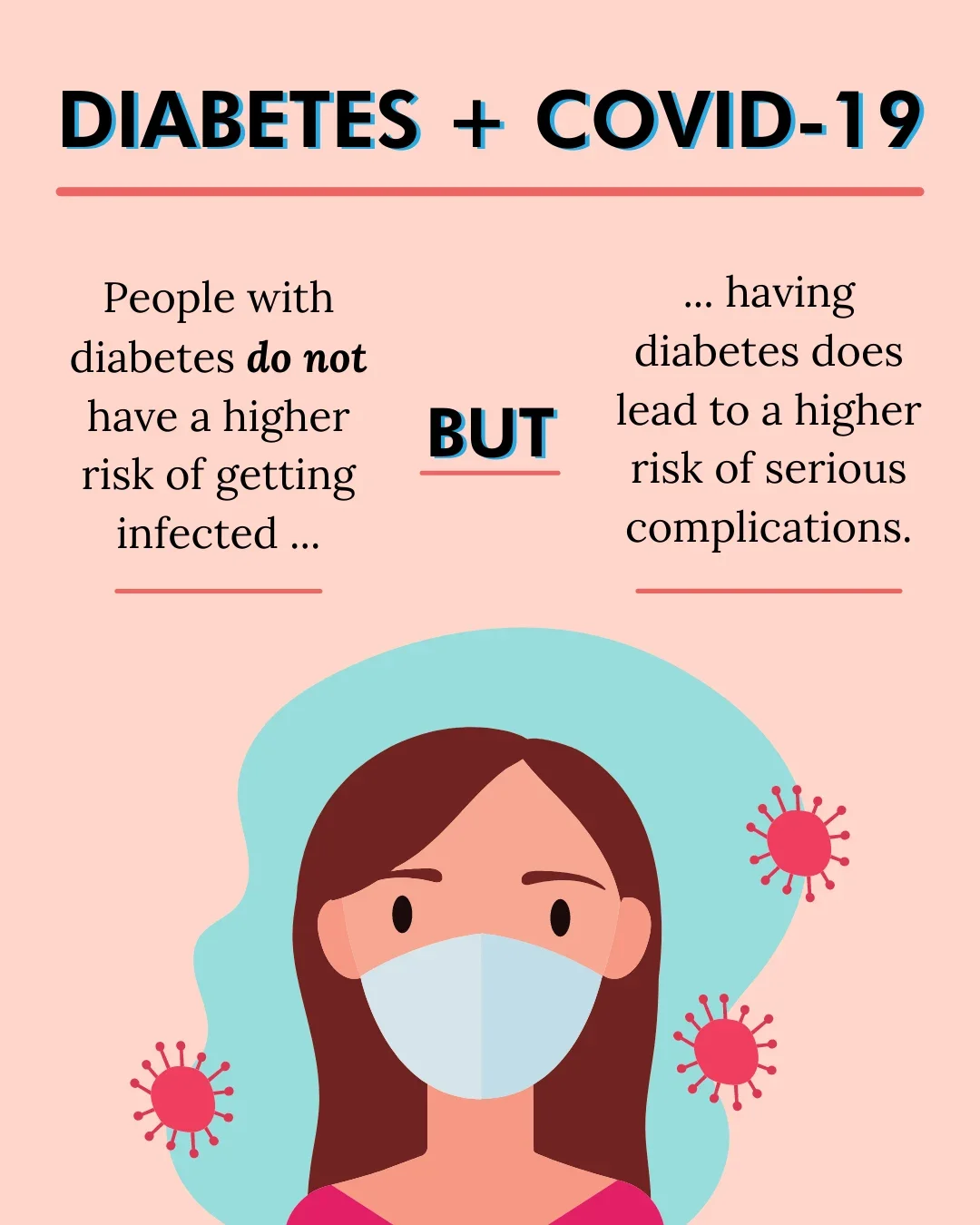
“Diabetes doesn't increase one's risk of getting COVID-19, but it does increase the risk of severe complications from COVID-19 infection,” says Dr. Sood.
This risk of complications is because having high blood sugar levels negatively affects the immune system. This can make it harder for the body to deal with infections, which raises the risk of life-threatening complications like pneumonia or respiratory failure.
“At this time, we don't perceive that there is a difference between patients with type 1 diabetes and type 2 diabetes in terms of potential complications from COVID-19,” says Dr. Sood.
The primary factor — regardless of the type of diabetes — is how well you are managing your blood sugars. People with more stable or controlled blood sugar levels will likely have a lower risk of complications.
“It's a myth that only older people contract COVID-19,” says Dr. Sood. “The truth is that a person of any age can contract COVID-19.”
That said, people who are older and people with diabetes are at a higher risk of complications of COVID-19. In fact, early statistics show that the more risk factors you have, the higher the chance of complications. That is why it’s important to get the best information available — such as tips to prevent COVID-19 for at-risk groups.
“It's a myth that a person with diabetes has no control over their risk of severe complications from COVID-19,” says Dr. Sood. “There’s a spectrum of risk. A person with diabetes and uncontrolled high blood glucose levels is at higher risk than a person with diabetes and well-controlled blood glucose levels and body weight and blood pressure and cholesterol.”
In general, it’s best to get your information about COVID-19 from trusted sources. This includes your healthcare provider and the Centers for Disease Control and Prevention. It’s also wise to stay updated on the prevention and public health guidelines of your local government.
“If someone is confused about their risk of COVID-19 complications due to underlying diabetes, the most important thing is to call a healthcare provider and have the necessary discussion to dispel any myths or ideas and to get accurate information,” says Dr. Sood.
This information is for informational purposes only and is not meant to be a substitute for professional medical advice, diagnosis or treatment. GoodRx is not offering advice, recommending or endorsing any specific prescription drug, pharmacy or other information on the site. GoodRx provides no warranty for any information. Please seek medical advice before starting, changing or terminating any medical treatment.
Prescription savings
Stop paying too much for your prescriptions. Compare prices, get pharmacy coupons, and save up to 80%. Find expert answers to your health questions so you can make the best decisions for yourself and your family.
Health conditions
Medications & treatment
Access & affordability
Medication discounts


