VIDEO CENTER
Diabetes Type 2
Managing A1C levels and healthy lifestyle changes are crucial in treating Type 2 diabetes.

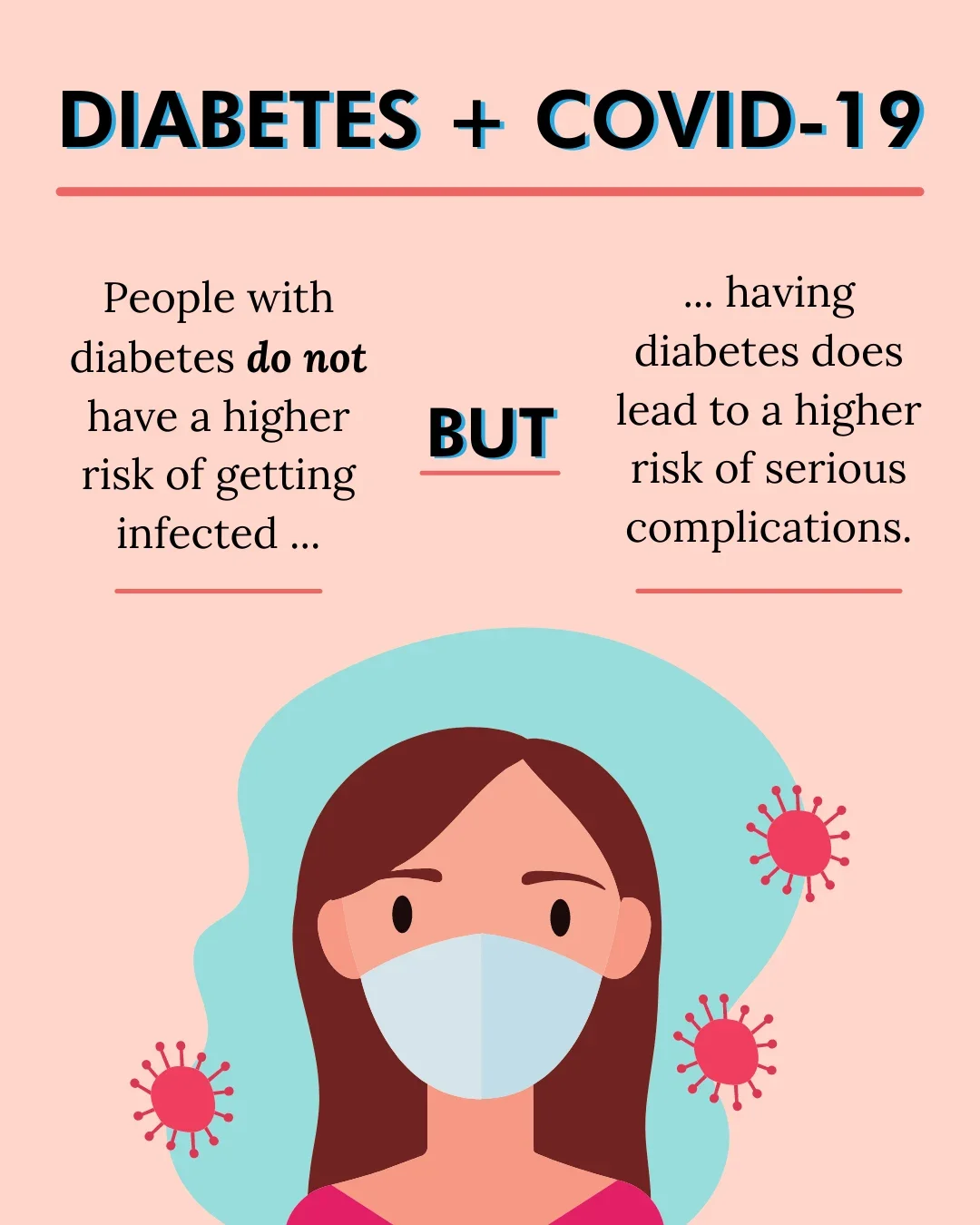
While there’s still a lot to learn about COVID-19, early statistics show that people with diabetes have a higher risk of serious COVID-19 complications. For this reason, it's important to know the COVID-19 symptoms for people with diabetes, so you can take action at the first sign of illness.
The most common symptoms of COVID-19 include:
Fever
Cough
Shortness of breath
Other possible symptoms that many patients have experienced include:
New loss of smell or taste
Sore throat
Fatigue
Muscle or body pains
Congestion
Nausea
Diarrhea
Additionally, people with diabetes should be on the lookout for “an unusual spike in blood glucose levels that can’t be otherwise explained,” says says Minisha Sood, MD, endocrinologist in New York City. This could signal that you’re fighting an infection. (Here are other possible causes of high blood sugar.)
“If a person is noticing symptoms of COVID-19, it's important to take all their usual medications, to check their temperature, to self-quarantine, and get in touch with a healthcare provider right away,” says Dr. Sood.
For the safety of you and others, most doctors recommend calling your provider before going to the hospital. When you call, you should know your glucose reading, your ketone reading, your symptoms, and when your symptoms started.
Those living with diabetes are eligible for COVID-19 treatment given their risk for COVID-19 complications.
People with diabetes have a higher risk of serious COVID-19 complications, so it’s important to know the signs of an emergency. You may be able to manage mild symptoms at home, but these symptoms require emergency medical attention:
Difficulty breathing
Pain or pressure in the chest
Confusion
Inability to arouse or awaken
Bluish lips or face
These are symptoms of serious complications of COVID-19, which can be life-threatening.
The best thing you can do is be cautious. Wash your hands frequently, avoid crowded areas, and practice social distancing. Learn more COVID-19 prevention tips for at-risk groups.
This information is for informational purposes only and is not meant to be a substitute for professional medical advice, diagnosis or treatment. GoodRx is not offering advice, recommending or endorsing any specific prescription drug, pharmacy or other information on the site. GoodRx provides no warranty for any information. Please seek medical advice before starting, changing or terminating any medical treatment.
Prescription savings
Stop paying too much for your prescriptions. Compare prices, get pharmacy coupons, and save up to 80%. Find expert answers to your health questions so you can make the best decisions for yourself and your family.
Health conditions
Medications & treatment
Access & affordability
Medication discounts


