VIDEO CENTER
Type 2 Diabetes
Type 2 diabetes is a condition that occurs when your blood glucose, also called blood sugar, is too high.

About 1.5 million Americans are diagnosed with type 2 diabetes each year, according to the American Diabetes Association (ADA). Even more staggering: Of the 30 million American adults who have diabetes, one in four don’t know they have it yet, which puts them at great risk for developing further complications.
One of the best ways to reduce your odds of developing diabetes: Get familiar with why type 2 diabetes happens (and what it looks like when it does).
While patients with type 1 diabetes cannot produce any insulin, those with type 2 diabetes become resistant to the insulin in their body, according to Minisha Sood, MD, an endocrinologist in New York City. “They do make insulin, but it doesn’t get the job done very well, so they have to make pretty high levels of insulin to normalize their blood glucose levels.” (Learn more about the difference between type 1 and type 2 diabetes here.)
This high level of insulin production puts a strain on the pancreas. “Eventually, their pancreas gets to the point where they can’t really keep up with that demand, and so their blood sugars start to rise,” says Dr. Sood.
Your risk of developing type 2 diabetes risk depends on many of these following factors, according to Sonal Chaudhry, MD, an endocrinologist at NYU Langone Health in New York City.
Age: The ADA recommends annual screening for type 2 diabetes starting at age 45—or earlier if you have other risk factors.
Race and ethnicity: African Americans, Hispanic Americans, Native Americans, and Asian Americans are at a higher risk of developing type 2 diabetes.
Family history: Having a parent or close relative with diabetes increases your likelihood based on similarities in genetics and lifestyle habits.
Weight: Having a body mass index that is considered overweight or obese increases your type 2 diabetes risk. Learn more about weight loss for diabetes here.
Sedentary lifestyle: One study found that men who watched more than 40 hours of TV a week were three times more likely to develop type 2 diabetes than those who watched under an hour a week.
Gestational diabetes: If you had gestational diabetes during a pregnancy, you are more likely to develop type 2 diabetes later on.
It’s common for patients with type 2 diabetes to not experience any symptoms, especially early on, according to Nesochi Okeke-Igbokwe, MD, an internist in New York City. For those that do, here are the textbook signs of diabetes to look for.
Increased urination
Increased thirst
Increased hunger
Lethargy and fatigue
Blurry vision
“Doctors can assess your blood sugar in a number of different ways,” says Dr. Chaudhry. These include the A1C test, fasting blood glucose test, and glucose tolerance test.
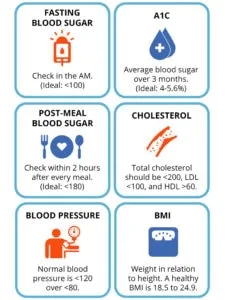
A hemoglobin A1C test measures the average blood sugar over the course of two to three months. A number higher than 6.5 is consistent with a type 2 diabetes diagnosis. (Here’s more information about the A1C test.)
Fasting blood glucose refers to how much glucose is in the bloodstream when you haven’t eaten for eight hours. “If that number is higher than 126, that’s also consistent with diabetes,” says Dr. Chaudhry.
A glucose tolerance test compares your fasting blood glucose with your blood sugar reading after drinking 75 grams of glucose. If the second reading exceeds 200 mg/dL, this is also a sign of type 2 diabetes.
While a type 2 diabetes diagnosis often requires many lifestyle adjustments, it can also be an opportunity to reassess your health and reprioritize your goals. To get started, here are rules for a healthy diabetic diet, tips for exercising with diabetes, and lifestyle changes to manage blood sugar.
This information is for informational purposes only and is not meant to be a substitute for professional medical advice, diagnosis or treatment. GoodRx is not offering advice, recommending or endorsing any specific prescription drug, pharmacy or other information on the site. GoodRx provides no warranty for any information. Please seek medical advice before starting, changing or terminating any medical treatment.
Prescription savings
Stop paying too much for your prescriptions. Compare prices, get pharmacy coupons, and save up to 80%.Resources
About GoodRx
 Find expert answers to your health questions so you can make the best decisions for yourself and your family.
Health conditions
Medications & treatment
Access & affordability
Well-being
Medication discounts


