VIDEO CENTER
Type 2 Diabetes
Type 2 diabetes is a condition that occurs when your blood glucose, also called blood sugar, is too high.

Diabetes can truly affect the entire body. “On its most basic level, it’s a metabolic disease,” says Paul Knoepflmacher, MD, clinical instructor in medicine at The Mount Sinai Hospital. “It affects sugar control and sugar metabolism, but it has an impact on your whole system.”
“One of the main goals of diabetes therapy is to reduce your risk of complications,” says Sonal Chaudhry, MD, endocrinologist at NYU Langone Health.
Here are some of the most serious risks of diabetes you need to be aware of:
1. Diabetes and Heart Health
A main concern among people with type 2 diabetes is the risk of heart disease, according to Nieca Goldberg, MD, medical director at NYU Langone Health and Joan H. Tisch Center for Women’s Health. High blood sugar can damage blood vessels over time; the longer you have diabetes, the higher your risk of developing heart disease, according to the National Institute of Diabetes and Digestive and Kidney Diseases (NIDDK).
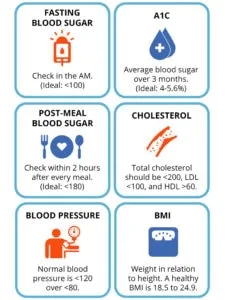
Because of the risk of heart disease, people with diabetes should get their blood pressure and cholesterol checked at doctor visits. (Here’s how often you should visit the doctor with diabetes.)
Depending on certain factors, you might want to ask your doctor about additional tests for your heart health. “If you’re an older patient and you’re beginning an exercise program or intensifying an exercise program, it’s important to talk to your doctor about this,” says Sonal Chaudhry, MD, endocrinologist at NYU Langone Health. “They may want to do an EKG. They may do stress testing to assess your cardiovascular risk.”
2. Diabetes and Eye Health
Blood vessel damage affects more than just your heart health. Your eyes also have tiny blood vessels that fuel healthy vision; pressure in these vessels can damage the retina, leading to diabetic retinopathy. Because the retina is responsible for converting images to signals to the brain, retina damage can lead to reduced vision and even blindness. (Learn more about eye complications for diabetes here.)
“Fortunately, we can treat many of those problems before they steal your vision,” says Marc Werner, MD, ophthalmologist in Manhattan and Long Island. It’s critical to see your eye doctor regularly and get a dilated eye exam at least once a year, for starters.
3. Diabetes and Foot Health
Diabetes affects foot health in two main ways, according to Dr. Knoepflmacher: damaging the nerves of the feet (neuropathy) and restricting blood circulation.
“Patients with diabetes should be seen regularly for foot evaluations,” says William Spielfogel, DPM, chief of division of podiatry at Lenox Hill Hospital. Staying on top of these appointments can prevent serious complications like hammertoes, ulcerations, and amputations. Here’s more information about managing foot problems with diabetes.
“It’s very important that if somebody notices a wound or a cut on their foot, that they don’t ignore it and think that it will go away,” says Dr. Spielfogel. Without enough red blood cells from inadequate blood flow, wounds may heal slowly or not at all, and seemingly minor cuts can become a huge issue.
4. Diabetes and Kidney Health
“Diabetes is the most common reason for end-stage kidney disease and the reason why people get a dialysis,” says Dr. Knoepflmacher. Blood vessels damaged from high blood glucose levels don’t function as well as they should, and this can damage the kidneys. About a quarter of U.S. adults with diabetes have kidney disease, according to NIDDK.
“Your doctor can do blood tests to check the kidney function, but more importantly, he or she can check your urine for the presence of protein,” says Dr. Knoepflmacher. “If you have too much protein in the urine, that means the kidneys are not healthy.”
5. Diabetes and Oral Health
People with diabetes are at a higher risk of cavities and gum disease, according to Dr. Chaudhry. In fact, your dentist might be the first to detect your diabetes: During a regular cleaning, your dentist may notice symptoms of diabetes including bleeding gums, dry mouth, oral thrush and other infections, and persistent cuts or cold sores that won’t heal.
Practice good oral hygiene, which includes brushing teeth twice a day and flossing at least once. Visit your dentist for a regular cleaning and oral exam once or twice a year, according to the American Dental Association.
6. Diabetes and the Immune System
Having diabetes can impact your ability to fight off infections. “It’s extra important for diabetics to get regular vaccines,” says Dr. Knoepflmacher. The Centers for Disease Control and Prevention recommend people with diabetes stay up-to-date with the following vaccines:
Influenza
Pneumococcal
Tdap (tetanus, diphtheria, and pertussis)
Hepatitis B
Zoster (to protect against shingles)
People with diabetes are more likely to catch infections, and they are also more likely to experience complications from an infection. For example, influenza may raise blood sugars to a dangerous level, according to the CDC.
These possible complications from diabetes may seem overwhelming, but there’s good news: “Preventing and controlling a person’s diabetes and keeping their sugars low [can help] mitigate and reduce the risk of these complications happening,” says Dr. Knoepflmacher.
For tips on managing blood sugars, here are lifestyle tweaks for diabetes, eating healthy for diabetes, and exercising for diabetes.
This information is for informational purposes only and is not meant to be a substitute for professional medical advice, diagnosis or treatment. GoodRx is not offering advice, recommending or endorsing any specific prescription drug, pharmacy or other information on the site. GoodRx provides no warranty for any information. Please seek medical advice before starting, changing or terminating any medical treatment.
Prescription savings
Stop paying too much for your prescriptions. Compare prices, get pharmacy coupons, and save up to 80%.Resources
About GoodRx
 Find expert answers to your health questions so you can make the best decisions for yourself and your family.
Health conditions
Medications & treatment
Access & affordability
Well-being
Medication discounts


