VIDEO CENTER
Type 2 Diabetes
Type 2 diabetes is a condition that occurs when your blood glucose, also called blood sugar, is too high.

Testing for Type 2 diabetes is crucial. Symptoms of Type 2 diabetes often do not appear until blood sugar levels are already very high. That means you could live for months or years with Type 2 diabetes and not even know it.
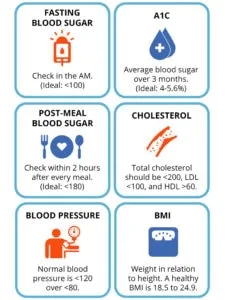
Your doctor will want to check the following numbers to see whether you have type 2 diabetes.
This number tests how much glucose is in the blood when you’re in a fasting state (usually at least eight hours), and this is included in routine blood tests. A fasting blood glucose equal to or greater than 126 may indicate type 2 diabetes.
The A1C test measures your average blood sugar over two to three months. An A1C level above 6.5 is consistent with type 2 diabetes.
In this test, doctors will record your fasting blood glucose, and then have you drink 75 grams of a glucose drink. After two hours, you’ll take a blood glucose test again and see how much glucose is still in the blood—or how well your body “tolerates” glucose. After the second test, a number above 200 mg/dL indicates type 2 diabetes.
It’s possible for one test to suggest you have type 2 diabetes and another to show “normal” results. That’s why doctors may do repeat tests to get a more accurate picture.
Don’t wait until you’ve noticed symptoms of diabetes, which may not show up until the disease has progressed to an advanced state. An early diagnosis of diabetes has many benefits for your health, such as reducing the risk of serious complications.
This information is for informational purposes only and is not meant to be a substitute for professional medical advice, diagnosis or treatment. GoodRx is not offering advice, recommending or endorsing any specific prescription drug, pharmacy or other information on the site. GoodRx provides no warranty for any information. Please seek medical advice before starting, changing or terminating any medical treatment.
Prescription savings
Stop paying too much for your prescriptions. Compare prices, get pharmacy coupons, and save up to 80%.Resources
About GoodRx
 Find expert answers to your health questions so you can make the best decisions for yourself and your family.
Health conditions
Medications & treatment
Access & affordability
Well-being
Medication discounts


