VIDEO CENTER
Type 2 Diabetes
Type 2 diabetes is a condition that occurs when your blood glucose, also called blood sugar, is too high.

One of the primary goals of treating type 2 diabetes is reducing your risk of complications. You and your healthcare team will come up with a treatment plan to get your diabetes under control. There are warning signs of uncontrolled diabetes that may signal that your treatment plan isn’t working.
Uncontrolled diabetes essentially means that your blood sugar levels are high or unstable. The goal is to be able to keep your blood sugar levels within the target range. High blood sugar levels can damage your organs and overall health over time, so getting those under control is very important. Otherwise, you may have an increased risk of complications like:
Heart problems (including heart attack)
Eye problems
Kidney problems
Nerve damage
Stroke
Infections
Amputation
If your diabetes is not under control, you’ll likely notice it in two different ways. One way is by identifying unusual symptoms; the other way is by testing.
Feeling generally unwell
Fatigue
Increased thirst
Dry mouth
Unexplained weight loss
Increased frequency of infections
Along with that, you may notice uncontrolled diabetes through your blood sugar levels. It’s important to check your glucose levels regularly. This can give you a clue of how your treatment plan is working and if changes are needed. If your blood sugar levels are frequently too high or unstable, that may be a sign that your diabetes is not under control
You are responsible for tracking your glucose levels on a day-to-day basis. However, another way to check your blood sugar control is a test at the doctor’s office called a hemoglobin A1C test.
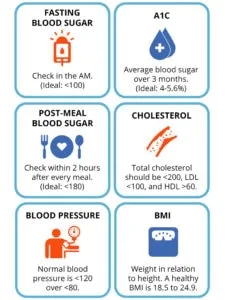
An A1C test measures the average of your blood sugar levels over the duration of a few months. This can be really helpful because it gives a better picture of your blood sugar control over time. If your A1C levels are high, that might mean your diabetes is not under control.
Finally, your healthcare team will give you a schedule for having appointments with specialists. Regular screening by specialists can help catch the progression of diabetes complications early. For example, a nephrologist can monitor your kidney health, an eye doctor can monitor your eye health, a neurologist can monitor your nerve health, and so on.
Catching complications early has a couple benefits. First, you can start treatment to keep those complications under control. Second, complications may be a sign that you need a more aggressive diabetes treatment. This might help get your diabetes under control.
Not sure how controlled your type 2 diabetes is? Talk to your doctor. It’s important to have a good understanding of your treatment plan and how effective it is. That way, you’ll understand your risks and be empowered to make any necessary changes.
This information is for informational purposes only and is not meant to be a substitute for professional medical advice, diagnosis or treatment. GoodRx is not offering advice, recommending or endorsing any specific prescription drug, pharmacy or other information on the site. GoodRx provides no warranty for any information. Please seek medical advice before starting, changing or terminating any medical treatment.
Prescription savings
Stop paying too much for your prescriptions. Compare prices, get pharmacy coupons, and save up to 80%.Resources
About GoodRx
 Find expert answers to your health questions so you can make the best decisions for yourself and your family.
Health conditions
Medications & treatment
Access & affordability
Well-being
Medication discounts


