VIDEO CENTER
Alopecia
Hair care tips specifically for different hair textures may be tough to find, which can disempower people living with alopecia areata — learn more about advancements in treatment.

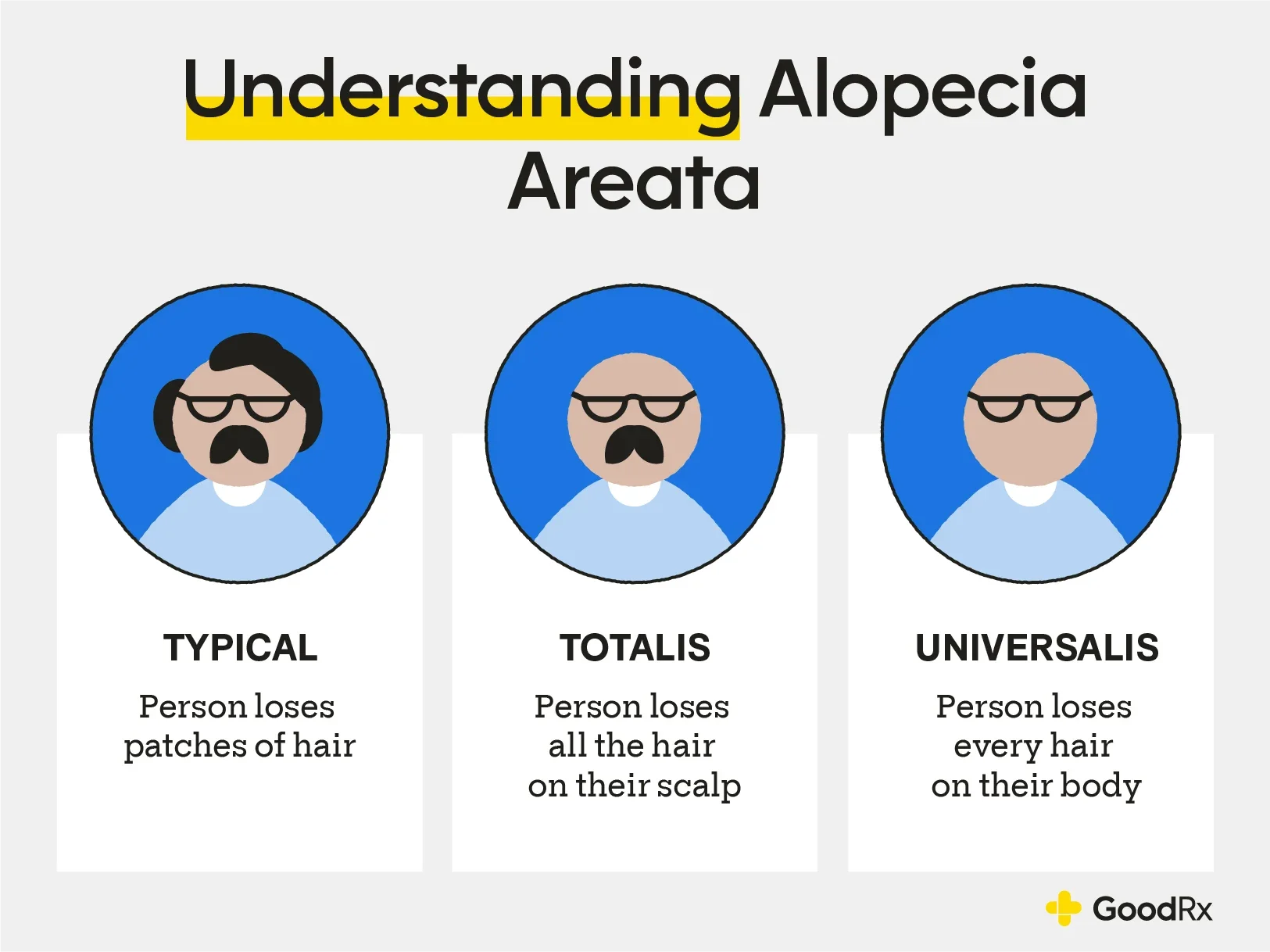
Alopecia areata is an autoimmune disease in which the immune system attacks the hair follicles. This may cause you to lose patches or all of the hair on your head, face, and body.
“Treatment for alopecia areata varies depending on age, location [of the hair loss], severity, and any other medical conditions that might affect the treatment,” says Lindsey Bordone, MD, Dermatologist at Columbia University Irving Medical Center in New York.
Luckily, there are treatments available today for alopecia areata. Treatments include:
Injected corticosteroids: These are injected into the patches of hair loss and may be repeated every four to six weeks. You may see hair regrowth within four weeks.
Topical corticosteroids: These steroids can be applied to the skin if you can’t tolerate the injections. However, they may not be as effective due to the thick skin on the scalp.
Topical minoxidil: This medication may help promote hair growth by lengthening the growth phase of hair follicles.
Oral corticosteroids: These can be used as a short-term option when you’re experiencing rapid, extensive hair loss, but they tend to have a side effects.
JAK inhibitors: This newer medication can be given both orally and topically — but oral options are more common. Janus kinase inhibitors help disrupt the immune pathway that’s involved with alopecia areata, which may result in hair regrowth.
Make sure to talk to your provider if your symptoms are interfering with your daily life. There are generally effective treatments available for alopecia areata that may be able to help.
Prescription savings
Stop paying too much for your prescriptions. Compare prices, get pharmacy coupons, and save up to 80%.Resources
About GoodRx
 Find expert answers to your health questions so you can make the best decisions for yourself and your family.
Health conditions
Medications & treatment
Access & affordability
Well-being
Medication discounts


