VIDEO CENTER
Alopecia
Hair care tips specifically for different hair textures may be tough to find, which can disempower people living with alopecia areata — learn more about advancements in treatment.

Alopecia areata can come on out of nowhere, according to Lindsey Bordone, MD, Dermatologist at Columbia University Irving Medical Center. However, sometimes it emerges after the immune system has been irritated in some way.
Luckily, the hair follicle maintains the ability to regrow hair.
Here are a few things to know about alopecia areata:
1. Hair loss often happens in patches.
They are often coin-sized. However, sometimes people can lose all the hair on their head and sometimes their entire body.
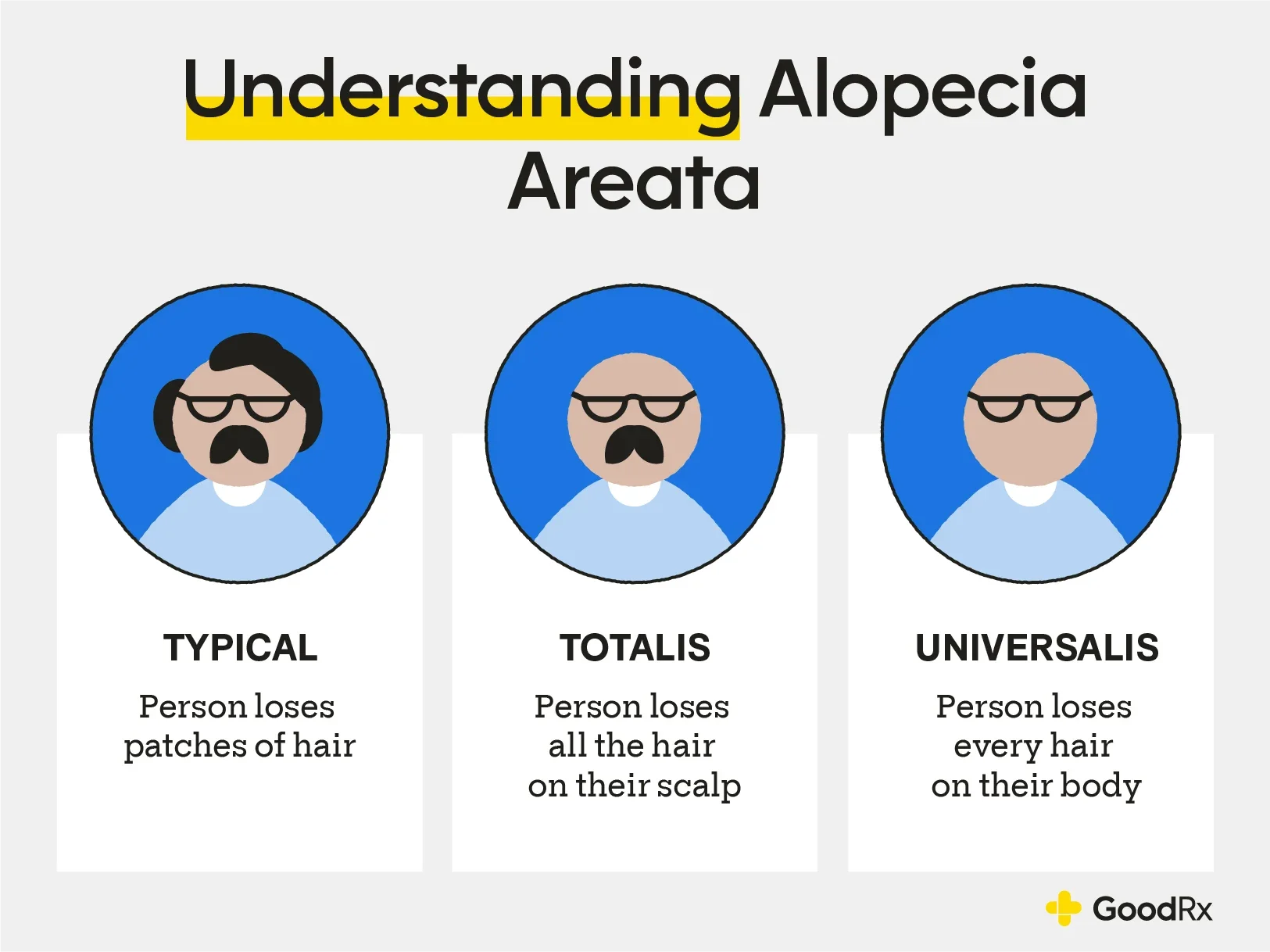
2. There are 3 types of alopecia areata.
Typical alopecia areata, the most common type, is when you lose patches of your hair. Alopecia totalis is when you lose all or most of the hair on your scalp. Alopecia universalis, the least common type, is when you lose hair all over your body.
3. Most people are otherwise healthy.
“It’s one of the more alarming physical autoimmune conditions because you feel fine, and then your hair is rapidly falling out,” says Dr. Bordone. “Most of the time, there’s no other symptoms at all.”
4. Alopecia areata may significantly impact your mental health.
It can be traumatizing to lose your hair and to have your appearance change. It may be helpful to work with a mental health professional while coping with alopecia areata.
5. The cause is unknown.
While experts don’t know exactly what causes alopecia areata, you may be at a higher risk if you have a family history of the condition. You may also be more likely to develop alopecia areata if you or a first-degree family member have conditions like:
Asthma
Celiac disease
Hay fever
Atopic dermatitis
Type 1 diabetes
Vitiligo
6. Treatments like JAK inhibitors may help.
These medications are usually oral pills that are taken once or sometimes twice a day. They target the immune system to stop it from attacking your hair follicles. Other medications like steroid injections may make a difference, too.
If you’ve been diagnosed with alopecia areata, there are reasons to be optimistic. It is not a life-threatening condition, and there are treatments available that may allow hair to regrow.
Prescription savings
Stop paying too much for your prescriptions. Compare prices, get pharmacy coupons, and save up to 80%.Resources
About GoodRx
 Find expert answers to your health questions so you can make the best decisions for yourself and your family.
Health conditions
Medications & treatment
Access & affordability
Well-being
Medication discounts


