VIDEO CENTER
Alopecia
Hair care tips specifically for different hair textures may be tough to find, which can disempower people living with alopecia areata — learn more about advancements in treatment.

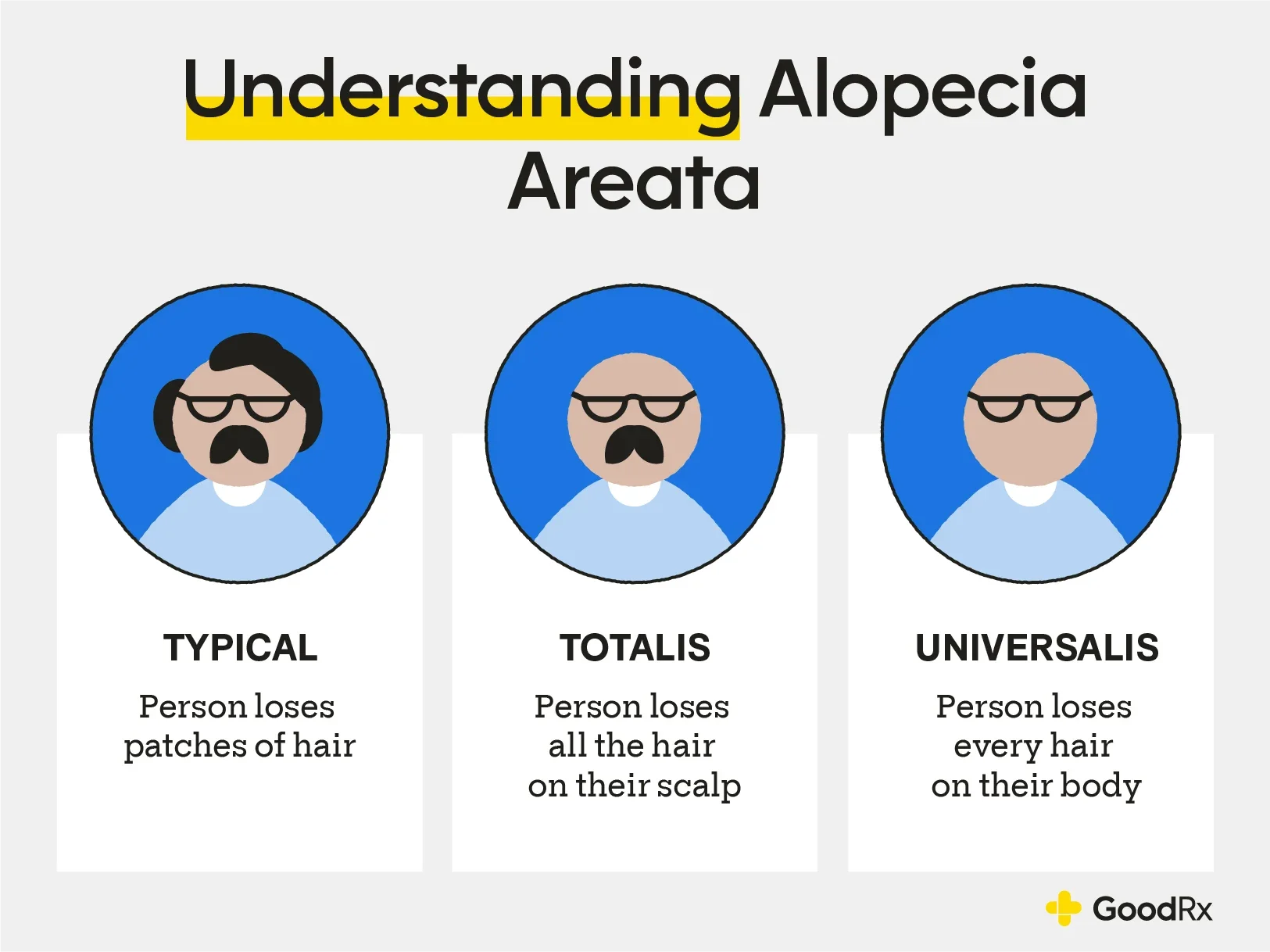
Alopecia areata is an autoimmune condition in which the body’s immune system attacks the hair follicles. This can cause you to lose patches of hair on your head, face, or body.
Because alopecia areata is typically visible, other people may see it and make assumptions. This may contribute to myths about the condition.
Here are some more common myths about alopecia areata:
Myth: Alopecia areata doesn’t happen to healthy people.
You can be an otherwise healthy person and have an autoimmune disease like alopecia areata. This type of hair loss is linked to an overactive immune system, and not necessarily because of anything you’ve done wrong, according to Lindsey Bordone, MD, Dermatologist with Columbia University Irving Medical Center.
“It’s not something that you can [typically] control, and I think people have a hard time wrapping their mind around that,” she says.
Myth: Alopecia areata is related to cancer.
Some people see someone with hair loss and assume they are receiving cancer treatments. Alopecia areata and chemotherapy, a cancer treatment, both cause hair loss, but for different reasons.
Myth: Alopecia areata is caused by poor hair care.
While certain hair care habits like chemical straightening or keratin treatments may cause hair breakage, they don’t cause alopecia areata. If you have alopecia areata, it may help to practice gentle hair care in order to prevent further hair loss and hair damage, but it won’t “cure” your alopecia areata.
Myth: Alopecia areata only affects the scalp.
In reality, alopecia areata can affect the eyelashes, eyebrows, body or facial hair, and nails. Some people may even only experience hair loss in the lashes and brows, for example, and maintain normal hair growth on their scalp.
Myth: There’s nothing you can do about alopecia areata.
There are treatments available that can regrow your hair or target your immune system so that it stops attacking the hair follicles.
“Unlike in the past, where people were told there's nothing that can be done, we have good treatment now,” says Bordone. “When in doubt, see a doctor.”
Prescription savings
Stop paying too much for your prescriptions. Compare prices, get pharmacy coupons, and save up to 80%.Resources
About GoodRx
 Find expert answers to your health questions so you can make the best decisions for yourself and your family.
Health conditions
Medications & treatment
Access & affordability
Well-being
Medication discounts


