azacitidine
Azacitidine (Vidaza) is a type of chemotherapy known as a hypomethylating agent. It's FDA-approved to treat myelodysplastic syndromes (MDS) in adults and juvenile myelomonocytic leukemia (JMML) in children ages 1 month and older. Oncologists might also prescribe it off-label to treat acute myeloid leukemia (AML). Azacitidine (Vidaza) is given as an injection under the skin or into the vein by a healthcare professional. It's typically given daily for a week during each 28-day treatment cycle. Some of the more common side effects of this medication include nausea, fever, and constipation.


What is Azacitidine (Vidaza)?
What is Azacitidine (Vidaza) used for?
- Certain types of myelodysplastic syndromes (MDS)
- Juvenile myelomonocytic leukemia (JMML)
How Azacitidine (Vidaza) works
In people with MDS and JMML, young blood cells don't mature properly in the bone marrow. As a result, they have many immature, "baby" blood cells and very few fully-developed, “adult” blood cells, such as red blood cells (RBCs) and white blood cells (WBCs).
Azacitidine (Vidaza) is a chemotherapy medication called a hypomethylating agent. The main way it fights blood cancers is by allowing these immature blood cells to grow up properly into healthy “adult” blood cells. Sometimes, this also leads to cell death of the immature blood cells.
Drug facts
| Common Brands | Vidaza |
|---|---|
| Drug Class | Hypomethylating agent |
| Controlled Substance Classification | Not a controlled medication |
| Generic Status | Lower-cost generic available |
| Availability | Prescription only |

Side effects of Azacitidine (Vidaza)
The following side effects may get better over time as your body gets used to the medication. Let your healthcare provider know immediately if you continue to experience these symptoms or if they worsen over time.
Common Side Effects
- Nausea (up to 71%)
- Low red blood cells (up to 70%)
- Low platelets (up to 70%)
- Vomiting (up to 54%)
- Fever (up to 52%)
- Constipation (up to 50%)
- Low white blood cells (up to 66%)
- Injection site redness or warmth (up to 43%)
- Diarrhea (36%)
- Bruising (up to 31%)
- Trouble breathing (29%)
- Small red skin spots (up to 24%)
- Injection site pain (up to 23%)
- Joint pain (22%)
- Headache (22%)
Less Common Side Effects
- Low white blood cells with fever
- Stomach pain and swelling
- Bleeding gums and mouth
- Chest pain
- Chills or shivering
- Weakness
- Pneumonia
- Cough, sore throat, and other symptoms of an upper respiratory tract infection
- Muscle pain
- Dizziness
- Anxiety
- Trouble sleeping
- Rash
- Tiredness
Azacitidine (Vidaza) serious side effects
Contact your healthcare provider immediately if you experience any of the following.
- Liver damage: tiredness, loss of appetite, nausea or vomiting, dark urine, right-side stomach pain, easy bruising or bleeding, or yellowing of the eyes or skin
- Kidney damage: blood in urine, changes in urination (more or less)
- High uric acid and electrolyte imbalances: dark urine, not urinating as much as usual, pain on either side of the lower back, racing heart, muscle cramps or spasms, numbness, nausea, vomiting
- Serious bleeding: unusual bleeding, easy bruising, blood in urine or stool, confusion, vision changes
- Serious infections: fevers, chills, sweating, trouble breathing
The following Azacitidine (Vidaza) side effects have also been reported
Along with its needed effects, a medicine may cause some unwanted effects. Although not all of these side effects may occur, if they do occur they may need medical attention.
Check with your doctor or nurse immediately if any of the following side effects occur:
More common
Black, tarry stools
bladder pain
bleeding gums
blood in the urine or stools
cloudy urine
body aches or pain
burning or stinging of the skin
chills
congestion
difficult breathing
difficulty swallowing
dizziness
ear congestion
fast heartbeat
frequent urge to urinate
headache
hoarseness
loss of voice
lower back or side pain
muscle aches
pain or tenderness around the eyes and cheekbones
painful cold sores or blisters on the lips, nose, eyes, or genitals
painful or difficult urination
pain, redness, swelling, tenderness, warmth on the skin
pale skin
pinpoint red spots on the skin
puffiness or swelling of the eyelids or around the eyes, face, lips or tongue
rapid heartbeat
sores, ulcers, or white spots on lips or in mouth
swollen glands
tender, swollen glands in the neck
tightness in the chest
troubled breathing with exertion
unusual bleeding or bruising
unusual tiredness or weakness
voice changes
vomiting
Less common
Change in consciousness
convulsions
decreased urine
drowsiness
increased thirst
irregular heartbeat
loss of appetite
mood changes
muscle pain or cramps
numbness or tingling in the hands, feet, or lips
loss of consciousness
Get emergency help immediately if any of the following symptoms of overdose occur:
Some side effects may occur that usually do not need medical attention. These side effects may go away during treatment as your body adjusts to the medicine. Also, your health care professional may be able to tell you about ways to prevent or reduce some of these side effects. Check with your health care professional if any of the following side effects continue or are bothersome or if you have any questions about them:
More common
Acid or sour stomach
appetite decreased
belching
bleeding after defecation
bloody nose
blurred vision
bruise
bumps on the skin
burning, crawling, itching, numbness, prickling, "pins and needles", or tingling feelings
burning while urinating
difficulty having a bowel movement (stool)
difficulty with moving
discouragement
dizziness, faintness, or lightheadedness when getting up suddenly from a lying or sitting position
fainting
fear
feeling of discomfort or illness
feeling of sluggishness
feeling sad or empty
feeling unusually cold
flushing
full or bloated feeling or pressure in the stomach
heart murmur
indigestion
inflamed tissue from infection at the injection site
injection site bruising
irritability
itching at injection site
joint pain
lack of appetite
large, flat, blue or purplish patches in the skin
loss of interest or pleasure
mouth hemorrhage
muscle stiffness
nervousness
night sweats
pain in the joints
postnasal drip
post procedural hemorrhage
redness of the skin
shivering
small clicking, bubbling, or rattling sounds in the lung when listening with a stethoscope
small lumps under the skin
small red or purple spots in the mouth
soreness or discomfort to touch or pressure on the stomach
stomach discomfort upset or pain
sweating
swelling of abdominal or stomach area
swelling of the hands, ankles, feet, or lower legs
swelling or inflammation of the mouth
swelling with pits or depressions visible on the skin
swollen joints
tongue ulceration
trouble concentrating
trouble sleeping
uncomfortable swelling around the anus
unusual drowsiness
unusually warm skin
upper abdominal or stomach pain
Other side effects not listed may also occur in some patients. If you notice any other effects, check with your healthcare professional.
Call your doctor for medical advice about side effects. You may report side effects to the FDA at 1-800-FDA-1088.

Get your GoodRx coupon

Pros and cons of Azacitidine (Vidaza)
Pros
- A first-choice treatment option for myelodysplastic syndromes
- Can be given as an injection into the vein or under the skin
- Available as a lower-cost, generic medication
Cons
- Common side effects include nausea, low red blood cells, and low platelets
- Might affect the ability to have children in both males and females
- Might cause liver damage in people with a history of liver problems

Pharmacist tips for Azacitidine (Vidaza)

- Make sure to get your lab work done on time so your oncologist can monitor your blood cell counts during treatment. You’ll need to do blood work before every cycle, and sometimes even more often.
- Tell your care team about all the medications you take, including supplements and over-the-counter medications. Before starting any new medications, make sure your provider knows you're taking azacitidine (Vidaza) so they can help you look for interactions. For example, taking azacitidine (Vidaza) with non-steroidal anti-inflammatory drugs (NSAIDs) or aspirin can raise your risk of bleeding.
- Azacitidine (Vidaza) can cause low white blood cell counts. This can make it hard for your body to fight infections as well if you get sick. You can help prevent infections by washing your hands often, avoiding crowds, and washing raw fruits and vegetables thoroughly before eating them.
- Azacitidine (Vidaza) can cause nausea and vomiting. You might receive some medications to help with nausea, like ondansetron (Zofran), before your treatment with azacitidine (Vidaza) to help prevent nausea and vomiting. Your oncologist might also prescribe these medications for you to take at home in case you have nausea and vomiting later on.
- Regardless of sex, if you or your partner is able to become pregnant, use birth control during treatment to help prevent pregnancy. Continue to use birth control for at least 3 months (males) or 6 months (females) after your last dose. Azacitidine (Vidaza) might cause harm to an unborn baby.

Risks and warnings for Azacitidine (Vidaza)
Azacitidine (Vidaza) can cause some serious health issues. This risk may be even higher for certain groups. If this worries you, talk to your doctor or pharmacist about other options.
Low blood cell counts
Azacitidine (Vidaza) can cause your white blood cells, red blood cells, and platelets to drop. When these cell counts are lower than normal, you might be at risk for bleeding and developing infections. Your provider will check your blood cell counts before every treatment cycle while you’re receiving azacitidine (Vidaza) (and sometimes even more often). Let your provider know if you develop a fever of 100.4 degrees Fahrenheit or higher, or start to feel sick or have any unusual bruising or bleeding. If this happens you might need to have your dose lowered or stop this medication altogether.
Liver damage in people with a history of liver problems
- Risk factors: Liver problems | High tumor burden | Cancer that has spread to other parts of the body | Low albumin level
Azacitidine (Vidaza) can cause rare, but life-threatening damage to your liver, especially if you have a history of liver problems. You might be at a higher risk for liver damage if you have cancer that has spread to other parts of the body and/or a greater amount of cancer in the body. You might not be able to use this medication if you have a liver tumor. You’ll need to get blood tests before every treatment cycle to make sure that your liver is healthy. If you develop any liver problems, your provider might have you stop taking azacitidine (Vidaza). Let your provider know if you experience tiredness, loss of appetite, nausea or vomiting, dark urine, right-side stomach pain, easy bruising or bleeding, or yellowing of the eyes or skin, as these can be symptoms of liver problems.
Kidney damage
- Risk factors: Also taking other chemotherapies | History of kidney problems
Azacitidine (Vidaza) can cause rare, but serious and life-threatening kidney problems. Your provider will monitor your kidney health regularly before each cycle of azacitidine (Vidaza) through lab work during treatment. If you develop kidney problems, your provider might pause azacitidine (Vidaza) until your kidney gets better. Talk to your provider if you notice any changes in how often you urinate (more or less) or any blood in your urine so they can check for kidney issues.
High uric acid and electrolyte imbalances (from tumor lysis syndrome)
Treatment with azacitidine (Vidaza) can cause a serious reaction called tumor lysis syndrome (TLS). TLS is when many cancer cells die quickly and break down in your body. This causes a rapid release of the cells’ contents, like uric acid, potassium, and phosphorus, into your blood. High levels of uric acid and electrolytes in your body can cause serious kidney damage and abnormal heart rhythms.
Your provider will monitor you more closely if you have a higher risk for TLS. You also might need to take preventative medication to lower uric acid levels, such as allopurinol (Zyloprim), and receive extra hydration with fluids. Tell your provider right away if you’re urinating less than usual or have dark urine, muscle cramps, or a racing heartbeat.
Harm to an unborn baby
Based on animal studies, azacitidine (Vidaza) can harm an unborn baby. Because of these risks, females taking azacitidine (Vidaza) should use birth control during treatment and for at least 6 months after the last dose. Men with female partners who are able to become pregnant should use birth control during treatment with azacitidine (Vidaza) and for at least 3 months after the last dose. Let your provider know right away if you become pregnant during this time.

Azacitidine (Vidaza) dosage
 Vial
Vial| Dosage | Quantity | Price as low as | Price per unit |
|---|---|---|---|
| 100mg | 10 vials | $141.25 | $14.13 |

Interactions between Azacitidine (Vidaza) and other drugs
Although certain medicines should not be used together at all, in other cases two different medicines may be used together even if an interaction might occur. In these cases, your doctor may want to change the dose, or other precautions may be necessary. When you are receiving this medicine, it is especially important that your healthcare professional know if you are taking any of the medicines listed below. The following interactions have been selected on the basis of their potential significance and are not necessarily all-inclusive.
Using this medicine with any of the following medicines is usually not recommended, but may be required in some cases. If both medicines are prescribed together, your doctor may change the dose or how often you use one or both of the medicines.
- Cedazuridine

How much does Azacitidine (Vidaza) cost?

Azacitidine (Vidaza) contraindications
Contraindications are specific health conditions or situations in which a person should not take a medication due to safety concerns. If you have any of the following conditions or if any of the following apply to you, let your healthcare provider know because Azacitidine (Vidaza) will not be safe for you to take.
- Advanced cancerous liver tumors
- Serious allergy to mannitol

What are alternatives to Azacitidine (Vidaza)?

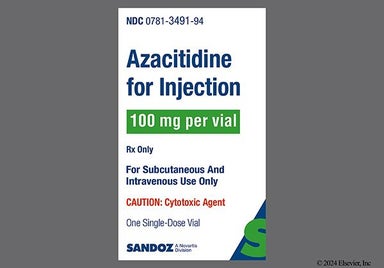
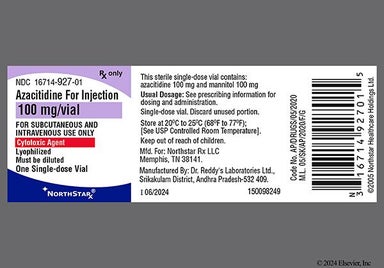
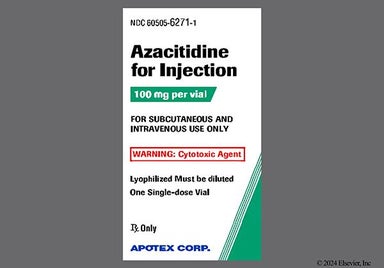
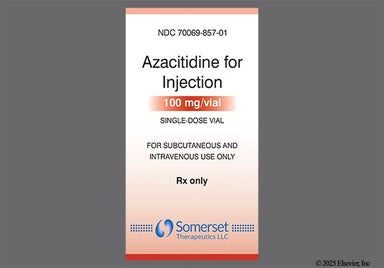
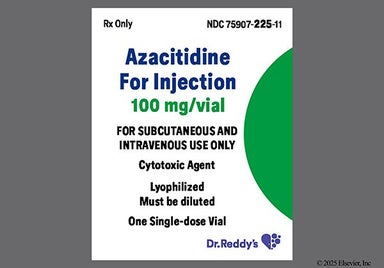
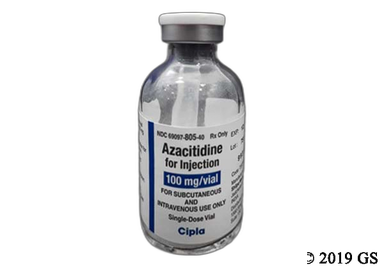
Azacitidine (Vidaza) images