


Which Medications Treat Non-Small Cell Lung Cancer?
Several types of medication may be used to treat non-small cell lung cancer (NSCLC). What’s recommended for you depends on the stage of cancer and other factors.
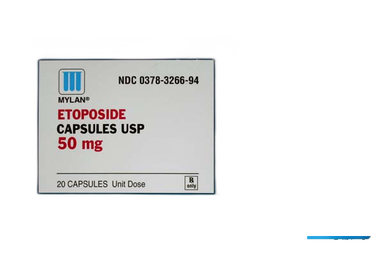
Etoposide oral is an anticancer medication used in combination with other chemotherapy medications to treat small cell lung cancer. It’s also commonly known as VP-16. Etoposide oral is taken by mouth, usually daily for a few days during each chemotherapy cycle. This medication can raise your risk for infections and bleeds.

Etoposide oral is a type of anticancer medication called a topoisomerase II inhibitor. It prevents cancer cells from growing by damaging the cancer cells’ genetic material.
| Common Brands | VePesid |
|---|---|
| Drug Class | Anticancer agent |
| Controlled Substance Classification | Not a controlled medication |
| Generic Status | Lower-cost generic available |
| Availability | Prescription only |

The following side effects may get better over time as your body gets used to the medication. Let your healthcare provider know immediately if you continue to experience these symptoms or if they worsen over time.
Please note: Reports of these side effects were gathered from people who took etoposide oral only, either by mouth or through IV.
Contact your healthcare provider immediately if you experience any of the following.
Side effects that you should report to your care team as soon as possible:
Side effects that usually do not require medical attention (report to your care team if they continue or are bothersome):




Etoposide oral can cause some serious health issues. This risk may be even higher for certain groups. If this worries you, talk to your doctor or pharmacist about other options.
 Etoposide oral must be given by or under the supervision of your healthcare provider who's trained in caring for people taking chemotherapy medications.
Etoposide oral can cause your white blood cell, red blood cell, and platelet counts to drop. This can happen within a couple of weeks after you start this medication. When the number of these cells are lower than normal, you’re at risk of developing infections, anemia, and bleeding or bruising. Your provider will closely monitor your blood counts through regular lab work while you're taking etoposide oral. If your blood counts are low, your dose might need to be lowered or you might stop taking the medication altogether. Typically, your blood cell counts should recover about 3 weeks after you stop this medication. Let your provider know as soon as possible if you experience fevers, chills, or bleeding and bruising that doesn’t stop or go away, because you might need to stop this medication.
Etoposide oral can cause you to experience mild to moderate nausea and vomiting. Let your provider know if you do have these side effects because they can prescribe anti-nausea medications to ease those symptoms.
Etoposide oral can sometimes cause mouth sores. These sores can be painful and make it difficult for you to eat and drink. Make sure to brush your teeth and floss gently to protect your oral health. Let your provider know if you develop mouth sores, they might be able to recommend a mouthwash or other methods to ease your symptoms.
You’re recommended to avoid etoposide oral during pregnancy. Based on animal studies, etoposide oral can cause harm to an unborn baby. Because of these risks, you should use birth control during treatment with etoposide oral to prevent pregnancy. Let your provider know right away if you or your partner becomes pregnant during this time.

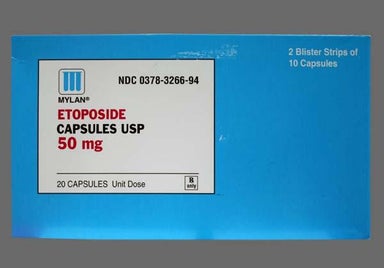
 Capsule
| Dosage | Quantity | Price as low as | Price per unit |
|---|---|---|---|
| 50mg | 14 capsules | $322.40 | $23.03 |


Prescription savings
Stop paying too much for your prescriptions. Compare prices, get pharmacy coupons, and save up to 80%.Resources
About GoodRx
 Find expert answers to your health questions so you can make the best decisions for yourself and your family.
Health conditions
Medications & treatment
Access & affordability
Well-being
Medication discounts

Etoposide can weaken your immune system and make it harder for your body to fight off an infection. If you do get an infection, you might become seriously sick. There are things you can do to protect yourself from an infection. For example, you can wash your hands often, especially after you use the restroom and before you eat. If possible, try to avoid crowded places and people who are sick. To prevent getting sick from tainted foods, please wash raw fruits and vegetables before you eat, and cook your food thoroughly. If you do feel sick with symptoms such as fever, cough, sore throat, fatigue, or chills, let your provider know right away.
Let your provider know if you have problems with your kidney. Depending on how severe your kidney problem is, your provider might need to lower your dose of Etoposide. This is because your kidneys help remove this medication from your body. But if your kidneys damaged, then etoposide stays around longer and can build up in your body. This might lead to problems, such as higher risk of side effects from etoposide.
Etoposide isn’t recommended during pregnancy. Based on animal studies, it can cause harm to your unborn baby. Let your provider know right away if you become pregnant during etoposide treatment, or if you have any questions about pregnancy while receiving the medication.
Etoposide isn’t recommended if you’re breastfeeding. Researchers don’t know if this medication can pass into breast milk. But if it does, it can cause serious harm to nursing infants. Talk with your provider if you’re breastfeeding or considering breastfeeding.
Store Etoposide in the refrigerator at 36° to 46°F (2° to 8°C). Don't freeze it. Keep it stored in the bottle it came in. If you're planning to travel, make sure to store your medication in a cooler bag with ice, so that it's at the right temperature. Talk with your provider or pharmacist if you have questions about storage or traveling with Etoposide.
