


Prescription-Strength Tylenol: What You Need to Know
Learn which forms of Tylenol (acetaminophen) need a prescription. We’ll also discuss maximum dosage recommendations and how much acetaminophen is in prescription and OTC products.

Ultracet (tramadol / acetaminophen) is a combination pain medication that should only be used for pain that hasn't responded to other alternatives. It's only used for short-term pain, so it should be taken for no more than 5 days.

Ultracet (tramadol / acetaminophen) is a combination pain medication that contains tramadol (an opioid) and acetaminophen (an analgesic). It's unclear how tramadol works in the treatment of pain, but it's thought that its activities with the mu-opioid receptor and effects on serotonin and norepinephrine levels in the brain may lower your perception (awareness) of pain. Acetaminophen relieves pain and lowers fevers by stopping the production of certain chemicals in the brain that cause both pain and fever.
| Common Brands | Ultracet |
|---|---|
| Drug Class | Opioid / Analgesic |
| Controlled Substance Classification | Schedule IV |
| Generic Status | Lower-cost generic available |
| Availability | Prescription only |

Ultracet (tramadol / acetaminophen) can cause some serious health issues. This risk may be even higher for certain groups. If this worries you, talk to your doctor or pharmacist about other options.
 Ultracet (tramadol / acetaminophen) has a risk of addiction, abuse, and misuse. Your body can develop tolerance to Ultracet (tramadol / acetaminophen), which means that more medication is needed to treat the same pain. You may become physically dependent on Ultracet (tramadol / acetaminophen) if you have been using it continuously, which means that you'll feel withdrawal symptoms if you stop taking it suddenly. Take only the prescribed dose. People with a history of substance abuse shouldn't take Ultracet (tramadol / acetaminophen) if an alternative medication is available.
Since Ultracet (tramadol / acetaminophen) can cause potentially life-threatening and deadly side effects, the manufacturers are required to provide healthcare providers with the resources to prescribe this medication properly and safely. Your provider or pharmacist will discuss the risks and benefits with taking Ultracet (tramadol / acetaminophen) before you start the medication.
Ultracet (tramadol / acetaminophen) can cause irregular or slowed breathing that can put you in a coma and can even cause death. Don't take more than what your provider prescribed to you. Always check with your provider before starting any new medications or supplements. Make sure to take special precautions to store this medication in a safe place away from the reach of children. If a child accidentally uses this medication, they may overdose, develop breathing problems, and potentially have a deadly outcome. If this happens, call the poison control center right away at 1-800-222-1222.
Some people have a gene that causes them to process Ultracet (tramadol / acetaminophen) too fast. Children who have this gene can be especially sensitive to this quick metabolism (breakdown) of Ultracet (tramadol / acetaminophen), which can result in slowed breathing and even death. Deadly breathing problems have also occurred in children who received Ultracet (tramadol / acetaminophen) following removal of their tonsils or adenoids. This medication shouldn't be used in children younger than 12 years old or children between 12 and 18 years old who are at high risk for breathing problems.
There is a high risk that your newborn baby could develop withdrawal symptoms if you've been using Ultracet (tramadol / acetaminophen) for a long period of time during pregnancy. These withdrawal symptoms can be deadly for infants. If you're pregnant or think you may be pregnant, discuss with your provider about all of the risks that are associated with this medication before starting it.
Ultracet (tramadol / acetaminophen) can interact with other medications, which can change how it affects your body and pain overall. Some medications can increase the levels of Ultracet (tramadol / acetaminophen) in your body and cause potentially deadly respiratory depression (slowed breathing). Other medications can lower the levels of Ultracet (tramadol / acetaminophen) in your body and lead to poor control of your pain. Some examples of medications that might interact with Ultracet (tramadol / acetaminophen) include, certain anbiotics, antifungals, and medications used for anxiety or depression. It's also very important to avoid alcohol while on this medication, because the combination can lead to serious side effects such as slowed breathing, low blood pressure, and extreme sedation. While taking Ultracet (tramadol / acetaminophen), don't start any new prescription or over-the-counter medications until confirming with your provider or pharmacist that it is safe to do so.
Acetaminophen, which is in Ultracet (tramadol / acetaminophen), has been associated with liver failure. You are at higher risk if you're taking more than one product containing acetaminophen and taking more than 4 grams a day. If you suspect that you took more than this maximum daily dose, get medical help right away, even if you're feeling okay.
Serotonin syndrome is a rare, but potentially life-threatening condition caused by higher levels of serotonin in the brain. Your risk goes up if you use Ultracet (tramadol / acetaminophen) with other medications that affect serotonin, such as antidepressants, lithium, triptans, and St. John's wort. Symptoms of serotonin syndrome include fast heart rate, sweating, muscle stiffness or spasms, fever, and confusion. If you notice any of these symptoms, get medical attention right away.
Ultracet (tramadol / acetaminophen) can raise your risk of seizures. If you have a history of seizures, taking medications that can cause seizures, or have risk factors for getting seizures, let your provider know so that they can monitor for new or worsening of symptoms.
Ultracet (tramadol / acetaminophen) shouldn't be given to people who have a history of substance or alcohol abuse, or to people who are depressed or suicidal, because this medication can worsen those problems.
Ultracet (tramadol / acetaminophen) can cause your adrenal glands to not make the right amount of hormones for your body to function properly. If you experience nausea, vomiting, loss of appetite, fatigue, weakness, dizziness, and low blood pressure while taking this medication, let your provider know. Your provider may need to do a proper exam to rule out adrenal problems.
Ultracet (tramadol / acetaminophen) can cause a sudden drop in your blood pressure. You may feel dizzy and lightheaded. If you're sensitive to low blood pressures, change positions slowly, such as going from sitting to standing. If you always get low blood pressure symptoms, you may need to try a different pain medication.
People who have brain or head injuries are at higher risk of developing extreme sedation and breathing problems while taking Ultracet (tramadol / acetaminophen). Let your provider know about all of your medical conditions before starting this medication.
If you have certain stomach conditions or digestive tract blockage, don't use Ultracet (tramadol / acetaminophen), because it can worsen your problems. Let your provider know if you experience stomach pain, feeling of fullness in your stomach, or extreme constipation while taking this medication.
Ultracet (tramadol / acetaminophen) shouldn't be used for more than 5 days. If you are instructed by your provider to take this medication for longer than 5 days, don't stop taking it all of a sudden on your own. Doing so can cause withdrawal symptoms and the return of your pain. Withdrawal symptoms can include restlessness, yawning, chills, nausea, vomiting, diarrhea, and increased irritability. Your provider will work with your to lower your dose slowly to avoid side effects.
Ultracet (tramadol / acetaminophen) can affect your abilities to think, focus, and react. Be careful driving, operating machinery, or doing any dangerous activities until you know how this medication affects you.
Ultracet (tramadol / acetaminophen) can cause serious and potentially life-threatening allergic reactions. If you experience hives, swelling of your face, throat, or tongue, or difficulty breathing while taking this medication, get medical help right away. You will need to stop taking Ultracet (tramadol / acetaminophen) and switch to a different medication.
In some rare cases, Ultracet (tramadol / acetaminophen) can cause serious skin reactions. If you notice a rash, blisters, or skin peeling after taking Ultracet (tramadol / acetaminophen), you should stop using it right away and get medical attention as quickly as possible.

The following side effects may get better over time as your body gets used to the medication. Let your healthcare provider know immediately if you continue to experience these symptoms or if they worsen over time.
Contact your healthcare provider immediately if you experience any of the following.
Along with its needed effects, a medicine may cause some unwanted effects. Although not all of these side effects may occur, if they do occur they may need medical attention.
Check with your doctor immediately if any of the following side effects occur:
Rare
Burning, itching, and redness of the skin
chest pain or tightness
difficulty with swallowing
dizziness
fast heartbeat
puffiness or swelling of the eyelids or around the eyes, face, lips, or tongue
seizures
skin rash, hives, or itching skin
trouble breathing
unusual tiredness or weakness
vomiting
Incidence not known
Agitation
bigger, dilated, or enlarged pupils
blistering, peeling, or loosening of the skin
chills
confusion
confusion as to time, place, or person
constricted, pinpoint, or small pupils
darkening of the skin
fainting
hallucinations
holding false beliefs that cannot be changed by fact
increased sensitivity of the eyes to light
irregular or slow heart rate
joint or muscle pain
large, hive-like swelling on the face, eyelids, lips, tongue, throat, hands, legs, feet, or genitals
loss of appetite
noisy breathing
overactive reflexes
poor coordination
red skin lesions, often with a purple center
red, irritated eyes
shivering
sores, ulcers, or white spots in the mouth or on the lips
sweating
talking or acting with excitement you cannot control
trembling or shaking
twitching
unusual excitement, nervousness, or restlessness
Get emergency help immediately if any of the following symptoms of overdose occur:
Symptoms of overdose
Black, tarry stools
dark urine
disorientation
dizziness, faintness, or lightheadedness when getting up suddenly from a lying or sitting position
drowsiness to profound coma
headache
irregular, fast or slow, or shallow breathing
lightheadedness
loss of appetite
mood or other mental changes
pale or blue lips, fingernails, or skin
seeing, hearing, or feeling things that are not there
stomach pain
trouble sleeping
unpleasant breath odor
unusual drowsiness, dullness, tiredness, weakness, or feeling of sluggishness
vomiting of blood
yellow eyes or skin
Some side effects may occur that usually do not need medical attention. These side effects may go away during treatment as your body adjusts to the medicine. Also, your health care professional may be able to tell you about ways to prevent or reduce some of these side effects. Check with your health care professional if any of the following side effects continue or are bothersome or if you have any questions about them:
Less common
belching
bloated or feeling of fullness
excess air or gas in the stomach or bowels
false or unusual sense of well-being
feeling of warmth
increase in bowel movements
increased sweating
indigestion
loose stools
loss of strength or energy
muscle pain or weakness
numbness or tingling of the hands, legs, and feet
painful or difficult urination
redness of the face, neck, arms, and occasionally the upper chest
sleepiness or unusual drowsiness
soft stools
stomach discomfort
Rare
Abnormal thinking
blurred vision
change in vision
clumsiness, unsteadiness, trembling, or problems with muscle control or coordination
cold sweats
continuing ringing, buzzing, or unexplained noise in the ears
crying
decrease in the frequency or amount of urination
decreased awareness or responsiveness
decreased interest in sexual intercourse
delusions of persecution, mistrust, suspiciousness, or combativeness
difficulty in passing urine (dribbling)
false or unusual sense of well-being
feeling of constant movement of self or surroundings
feeling unusually cold
headache, severe or continuing
increased muscle tone
involuntary muscle contractions
loss of memory
loss of sense of reality
loss of sexual ability, desire, drive, or performance
migraine headache
morbid dreaming
pounding in the ears
problems with memory
quick to react or overreact emotionally
rapidly changing moods
sensation of spinning
severe stomach pain
shakiness and unsteady walk
shivering
vomiting of blood or material that looks like coffee grounds
Other side effects not listed may also occur in some patients. If you notice any other effects, check with your healthcare professional.
Call your doctor for medical advice about side effects. You may report side effects to the FDA at 1-800-FDA-1088.




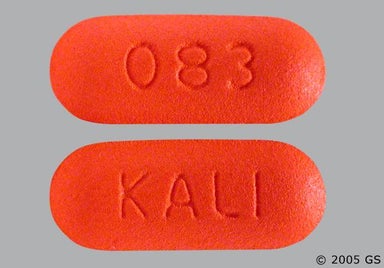
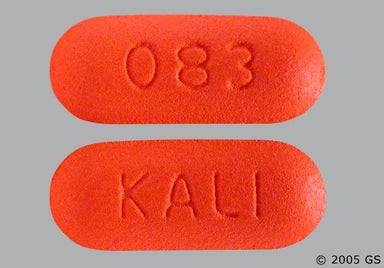
 Tablet
| Dosage | Quantity | Price as low as | Price per unit |
|---|---|---|---|
| 37.5mg/325mg | 60 tablets | $22.33 | $0.37 |

Although certain medicines should not be used together at all, in other cases two different medicines may be used together even if an interaction might occur. In these cases, your doctor may want to change the dose, or other precautions may be necessary. When you are taking this medicine, it is especially important that your healthcare professional know if you are taking any of the medicines listed below. The following interactions have been selected on the basis of their potential significance and are not necessarily all-inclusive.
Using this medicine with any of the following medicines is not recommended. Your doctor may decide not to treat you with this medication or change some of the other medicines you take.
Using this medicine with any of the following medicines is usually not recommended, but may be required in some cases. If both medicines are prescribed together, your doctor may change the dose or how often you use one or both of the medicines.
Using this medicine with any of the following medicines may cause an increased risk of certain side effects, but using both drugs may be the best treatment for you. If both medicines are prescribed together, your doctor may change the dose or how often you use one or both of the medicines.
























Prescription savings
Stop paying too much for your prescriptions. Compare prices, get pharmacy coupons, and save up to 80%. Find expert answers to your health questions so you can make the best decisions for yourself and your family.
Health conditions
Medications & treatment
Access & affordability
Medication discounts

No, Ultracet is not quite the same thing as tramadol (Ultram). Ultracet is a combination medication that contains both tramadol and acetaminophen, whereas tramadol is just one ingredient. While taking Ultracet, it's important to avoid any other tramadol- or acetaminophen-containing products, because you may take too much of either ingredient, which raises your risk of side effects.
You can take Ultracet with food if you have an upset stomach or nausea after taking it. When taken with food, Ultracet may take a little bit longer to kick in. However, you'll still eventually absorb the same amount of medication, but the pain relief just make take longer to achieve.
Ultracet can be taken with ibuprofen (Advil, Motrin), if needed. Instead of taking them at the same time, try alternating them with each other so you give each medication time to kick in. With this being said, you should always consult with your provider or pharmacist before starting any new medications while taking Ultracet.
Ultracet starts working in less than 1 hour after taking it. If you take it with food, it may take longer to start to work.
Yes, Ultracet can make you sleepy. Avoid driving or doing anything that requires full alertness until you know how this medication affects you.
