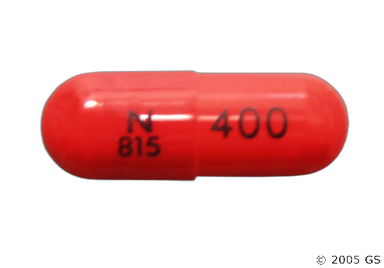
tolmetin
Tolmetin is an oral medication that relieves both short-term and long-term symptoms from arthritis, such as joint pain, swelling, and stiffness. This medication has been discontinued and is no longer available in the United States.


What is Tolmetin ?
What is Tolmetin used for?
- Rheumatoid arthritis
- Osteoarthritis
- Juvenile rheumatoid arthritis
Drug facts
| Common Brands | Tolectin |
|---|---|
| Drug Class | NSAID |
| Controlled Substance Classification | Not a controlled medication |
| Generic Status | No lower-cost generic available |
| Availability | Discontinued |

Tolmetin dosage
Typical dosage for Tolmetin

Interactions between Tolmetin and other drugs
Although certain medicines should not be used together at all, in other cases two different medicines may be used together even if an interaction might occur. In these cases, your doctor may want to change the dose, or other precautions may be necessary. When you are taking this medicine, it is especially important that your healthcare professional know if you are taking any of the medicines listed below. The following interactions have been selected on the basis of their potential significance and are not necessarily all-inclusive.
Using this medicine with any of the following medicines is not recommended. Your doctor may decide not to treat you with this medication or change some of the other medicines you take.
Using this medicine with any of the following medicines is usually not recommended, but may be required in some cases. If both medicines are prescribed together, your doctor may change the dose or how often you use one or both of the medicines.
- Abciximab
- Aceclofenac
- Acemetacin
- Acenocoumarol
- Amiloride
- Amineptine
- Amitriptyline
- Amitriptylinoxide
- Amoxapine
- Amtolmetin Guacil
- Anagrelide
- Apixaban
- Ardeparin
- Argatroban
- Aspirin
- Balsalazide
- Bemiparin
- Bendroflumethiazide
- Benzthiazide
- Betamethasone
- Betrixaban
- Bismuth Subsalicylate
- Bivalirudin
- Bromfenac
- Budesonide
- Bufexamac
- Bumetanide
- Cangrelor
- Celecoxib
- Certoparin
- Chlorothiazide
- Chlorthalidone
- Choline Magnesium Trisalicylate
- Choline Salicylate
- Cilostazol
- Citalopram
- Clomipramine
- Clonixin
- Clopamide
- Clopidogrel
- Cortisone
- Cyclopenthiazide
- Cyclosporine
- Dabigatran Etexilate
- Dalteparin
- Danaparoid
- Deflazacort
- Desipramine
- Desirudin
- Desmopressin
- Desvenlafaxine
- Dexamethasone
- Dexibuprofen
- Dexketoprofen
- Diazoxide
- Dibenzepin
- Diclofenac
- Diflunisal
- Digoxin
- Dipyridamole
- Dipyrone
- Dothiepin
- Doxepin
- Droxicam
- Duloxetine
- Edoxaban
- Enoxaparin
- Eplerenone
- Epoprostenol
- Eptifibatide
- Escitalopram
- Ethacrynic Acid
- Etodolac
- Etofenamate
- Etoricoxib
- Felbinac
- Fenoprofen
- Fepradinol
- Feprazone
- Feverfew
- Floctafenine
- Flufenamic Acid
- Fluocortolone
- Fluoxetine
- Flurbiprofen
- Fluvoxamine
- Fondaparinux
- Furosemide
- Ginkgo
- Gossypol
- Heparin
- Hydrochlorothiazide
- Hydrocortisone
- Hydroflumethiazide
- Ibuprofen
- Iloprost
- Imipramine
- Indapamide
- Indomethacin
- Inotersen
- Ketoprofen
- Lepirudin
- Levomilnacipran
- Lithium
- Lofepramine
- Lornoxicam
- Loxoprofen
- Lumiracoxib
- Magnesium Salicylate
- Meadowsweet
- Meclofenamate
- Mefenamic Acid
- Melitracen
- Meloxicam
- Mesalamine
- Methotrexate
- Methyclothiazide
- Methylprednisolone
- Metolazone
- Milnacipran
- Morniflumate
- Nabumetone
- Nadroparin
- Naproxen
- Nefazodone
- Nepafenac
- Niflumic Acid
- Nimesulide
- Nimesulide Beta Cyclodextrin
- Nortriptyline
- Olsalazine
- Opipramol
- Oxaprozin
- Oxyphenbutazone
- Paramethasone
- Parecoxib
- Parnaparin
- Paroxetine
- Pemetrexed
- Pentosan Polysulfate Sodium
- Pentoxifylline
- Phenindione
- Phenprocoumon
- Phenylbutazone
- Phenyl Salicylate
- Piketoprofen
- Piroxicam
- Polythiazide
- Prasugrel
- Prednisolone
- Prednisone
- Proglumetacin
- Propyphenazone
- Proquazone
- Protein C
- Protriptyline
- Reboxetine
- Reviparin
- Rivaroxaban
- Rofecoxib
- Salicylamide
- Salicylic Acid
- Salsalate
- Sertraline
- Sibutramine
- Sodium Salicylate
- Spironolactone
- Sulfasalazine
- Sulindac
- Tacrolimus
- Tenofovir Disoproxil Fumarate
- Tenoxicam
- Tianeptine
- Tiaprofenic Acid
- Ticagrelor
- Ticlopidine
- Tinzaparin
- Tirofiban
- Tolfenamic Acid
- Torsemide
- Trazodone
- Treprostinil
- Triamterene
- Trichlormethiazide
- Trimipramine
- Trolamine Salicylate
- Valdecoxib
- Venlafaxine
- Vilazodone
- Vorapaxar
- Vortioxetine
- Warfarin
- Xipamide
Using this medicine with any of the following medicines may cause an increased risk of certain side effects, but using both drugs may be the best treatment for you. If both medicines are prescribed together, your doctor may change the dose or how often you use one or both of the medicines.
- Acebutolol
- Alacepril
- Atenolol
- Azilsartan
- Azilsartan Medoxomil
- Benazepril
- Betaxolol
- Bisoprolol
- Candesartan Cilexetil
- Captopril
- Carteolol
- Carvedilol
- Celiprolol
- Enalapril
- Enalaprilat
- Eprosartan
- Esmolol
- Fosinopril
- Irbesartan
- Labetalol
- Levobunolol
- Lisinopril
- Losartan
- Metipranolol
- Metoprolol
- Moexipril
- Nadolol
- Nebivolol
- Olmesartan Medoxomil
- Oxprenolol
- Penbutolol
- Perindopril Erbumine
- Pindolol
- Practolol
- Propranolol
- Quinapril
- Ramipril
- Sotalol
- Spirapril
- Telmisartan
- Timolol
- Trandolapril
- Valsartan

What are alternatives to Tolmetin ?

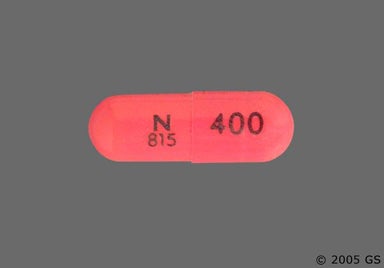
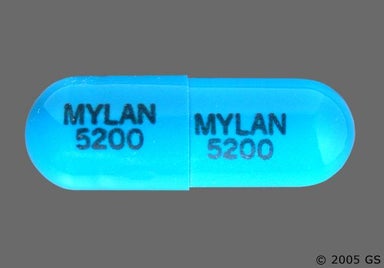
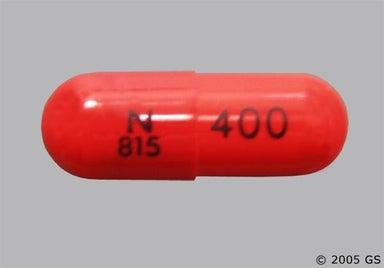
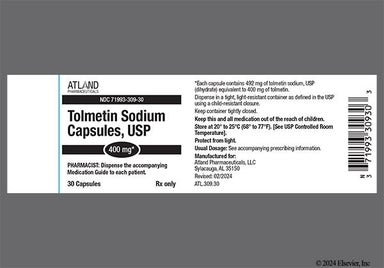
Tolmetin images