tiopronin
Tiopronin (Thiola) works well at preventing cystine kidney stones. You have to drink plenty of water and limit salt and animal protein in your diet to get the maximum results from this medication.


What is Tiopronin (Thiola)?
What is Tiopronin (Thiola) used for?
- Prevention of cystine kidney stones
How Tiopronin (Thiola) works
Cystine doesn't dissolve well in your urine. Tiopronin (Thiola) attaches to cystine in your urine and goes through a chemical reaction that makes it dissolve more easily. By lowering the amount of cystine in your urine, tiopronin (Thiola) keeps cystine kidney stones from forming.
Drug facts
| Common Brands | Thiola, Thiola EC, Venxxiva |
|---|---|
| Drug Class | Urinary tract product |
| Controlled Substance Classification | Not a controlled medication |
| Generic Status | Lower-cost generic available |
| Availability | Prescription only |

Side effects of Tiopronin (Thiola)
The following side effects may get better over time as your body gets used to the medication. Let your healthcare provider know immediately if you continue to experience these symptoms or if they worsen over time.
Common Side Effects
- Nausea (12–25%)
- Diarrhea or soft stools (6–18%)
- Canker sores (12–18%)
- Fatigue (14%)
- Rash (12–14%)
- Joint paint (12%)
- Weakness (4–12%)
- Vomiting (10%)
- Protein in your urine (6–10%)
- Fever (8%)
Less Common Side Effects
- Allergic reactions that can cause fever, rash, joint pain, and swollen lymph nodes
- Loss of appetite (8%)
- Chest pain (6%)
- Swelling (6%)
- Bruising (6%)
- Wrinkly skin (6%)
- Stomach pain (6%)
- Trouble getting an erection (6%)
- Cough (6%)
- Itching (4–6%)
- Low red blood cell count (2–6%)
The following Tiopronin (Thiola) side effects have also been reported
Side effects that you should report to your care team as soon as possible:
- Allergic reactions—skin rash, itching, hives, swelling of the face, lips, tongue, or throat
- Kidney injury—decrease in the amount of urine, swelling of the ankles, hands, or feet
Side effects that usually do not require medical attention (Report these to your care team if they continue or are bothersome.):

Pros and cons of Tiopronin (Thiola)
Pros
- Works well at preventing cystine kidney stones from coming back
- Can be mixed with applesauce for people who have trouble swallowing pills or for children
Cons
- Taken 3 times per day
- To get the most out of tiopronin (Thiola), you’ll need to change your diet and drink more water.
- Need to have regular urine tests done
- Thiola EC isn't available in a generic form, so it can be more expensive.

Pharmacist tips for Tiopronin (Thiola)

- To get the best results from this medication, it's important that you drink plenty of fluids and lower the amount of salt and animal protein in your diet. Try to drink around 4 liters of water per day and limit salt to around 2,300 mg per day.
- If you're taking the immediate-release tablets (Thiola), take the medication 1 hour before or 2 hours after a meal.
- If you're taking the delayed-release tablets (Thiola EC), it can be taken with or without food, but it's important that you take it the same way consistently either with a meal or on an empty stomach. Also, don't drink alcohol 2 hours before or 3 hours after taking Thiola EC. Alcohol can cause the medication to be released faster in your body, which can raise your risk of side effects.
- Swallow the tablet whole. For people who have trouble swallowing pills or for children, tiopronin (Thiola) can be crushed and mixed with applesauce. To mix it in applesauce, crush one tablet in a pill crusher or mortar and pestle. Pour about 1 tablespoon of applesauce into the container that you crushed the tablet in and mix well. It's best to take the applesauce mixture right away after it's mixed, but if that's not possible, the mixture can be stored in the refrigerator for 2 hours maximum after the components were mixed. Toss any mixture that has not been taken within 2 hours. To make sure that you've taken all of the medication, rinse the container with a small amount of water and drink the remaining water.

Risks and warnings for Tiopronin (Thiola)
Tiopronin (Thiola) can cause some serious health issues. This risk may be even higher for certain groups. If this worries you, talk to your doctor or pharmacist about other options.
Protein in your urine
- Risk factors: Children taking more than 50 mg/kg bodyweight per day of tiopronin (Thiola)
Tiopronin (Thiola) can cause kidney disorders that can lead to high protein levels in your urine. The risk of this is higher for children who take more than 50 mg/kg bodyweight per day of tiopronin (Thiola). Your healthcare provider will test your urine occasionally in order to watch for protein.
Similarities to d-penicillamine
- Risk factors: History of side effects from d-penicillamine
Tiopronin (Thiola) has a similar structure to d-penicillamine (also known as penicillamine), which is a medication used to treat kidney stones, rheumatoid arthritis, and copper buildup in your body. Because of this, your provider might prescribe a lower dose of tiopronin (Thiola) if you've had side effects from d-penicillamine in the past.

Tiopronin (Thiola) dosage
 Tablet
| Dosage | Quantity | Price as low as | Price per unit |
|---|---|---|---|
| 100mg | 100 tablets | $704.28 | $7.04 |

How much does Tiopronin (Thiola) cost?

Tiopronin (Thiola) contraindications
Contraindications are specific health conditions or situations in which a person should not take a medication due to safety concerns. If you have any of the following conditions or if any of the following apply to you, let your healthcare provider know because Tiopronin (Thiola) will not be safe for you to take.
- Allergy or sensitivity to tiopronin (Thiola)

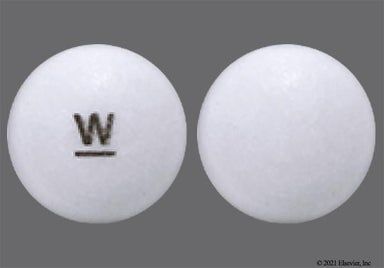
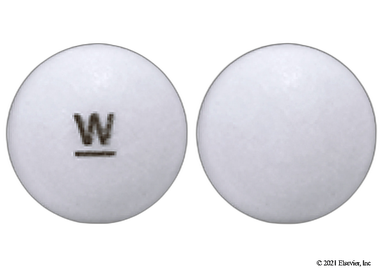
Tiopronin (Thiola) images