trimethobenzamide
Tigan (trimethobenzamide) is an antiemetic that's used to treat nausea and vomiting from a stomach flu or nausea and vomiting that happens after surgery. This medication is approved for use in adults only. It's available as a generic capsule that's taken by mouth 3 or 4 times a day. It's also available as a brand-only injection, and the dosage depends on how bad your symptoms are and your response to the medication. Potential side effects include diarrhea, drowsiness, and headache.


What is Tigan (trimethobenzamide)?
What is Tigan (trimethobenzamide) used for?
- Nausea and vomiting related to the stomach flu or surgery
How Tigan (trimethobenzamide) works
Tigan (trimethobenzamide) is an antiemetic. It works in an area of the brain called the vomiting center and blocks the urge to vomit.
Drug facts
| Common Brands | Tigan |
|---|---|
| Drug Class | Antiemetic |
| Controlled Substance Classification | Not a controlled medication |
| Generic Status | Lower-cost generic available |
| Availability | Prescription only |

Side effects of Tigan (trimethobenzamide)
The following side effects may get better over time as your body gets used to the medication. Let your healthcare provider know immediately if you continue to experience these symptoms or if they worsen over time.
Common Side Effects
- Confusion (disorientation)
- Headache
- Drowsiness
- Dizziness
- Blurred vision
- Muscle cramps
- Diarrhea
- Rash
- Tremors
Tigan (trimethobenzamide) serious side effects
Contact your healthcare provider immediately if you experience any of the following.
- Movement problems: muscle spasms, tremor, restlessness, trouble swallowing or speaking
- Changes in your brain function: coma, depression, seizures
- Liver damage: yellowing of your skin or whites of your eyes, belly pain, dark-colored urine
The following Tigan (trimethobenzamide) side effects have also been reported
Along with its needed effects, a medicine may cause some unwanted effects. Although not all of these side effects may occur, if they do occur they may need medical attention.
Check with your doctor immediately if any of the following side effects occur:
Incidence not known
Abdominal or stomach pain
change in consciousness
chills
clay-colored stools
confusion about identity, place, and time
dark urine
difficulty swallowing
discouragement
dizziness
feeling sad or empty
headache
irritability
lack of appetite
loss of balance control
loss of consciousness
loss of interest or pleasure
mask-like face
pale skin
rash
seizures
severe spasm where the head and heels are bent backward and the body arched forward
shuffling walk
slowed movements of the arms and legs
slurred speech
swelling of the arms, face, legs, lips, tongue, or throat
tic-like (jerky) movements of the head, face, mouth, and neck
trembling and shaking of the fingers and hands
trouble concentrating
trouble sleeping
unpleasant breath odor
unusual bruising or bleeding
unusual tiredness or weakness
vomiting of blood
yellow eyes or skin
Some side effects may occur that usually do not need medical attention. These side effects may go away during treatment as your body adjusts to the medicine. Also, your health care professional may be able to tell you about ways to prevent or reduce some of these side effects. Check with your health care professional if any of the following side effects continue or are bothersome or if you have any questions about them:
Other side effects not listed may also occur in some patients. If you notice any other effects, check with your healthcare professional.
Call your doctor for medical advice about side effects. You may report side effects to the FDA at 1-800-FDA-1088.

Get your GoodRx coupon

Pros and cons of Tigan (trimethobenzamide)
Pros
- Capsules are available as a lower-cost generic
- Can take with or without food
- Starts to work within 10 to 40 minutes
Cons
- Might not be a safe option for people with liver problems
- Need to take multiple times a day
- Not well-studied in children

Pharmacist tips for Tigan (trimethobenzamide)

- You can take Tigan (trimethobenzamide) with or without food.
- Don't give Tigan (trimethobenzamide) to children. It can worsen a condition called Reye's syndrome in children, if that's what's making them nauseous.
- Tigan (trimethobenzamide) can affect your ability to stay alert, so avoid driving until you know how this medication affects you.
- Avoid drinking alcohol while you're taking Tigan (trimethobenzamide). This combination can slow down your actions and lower your ability to react, which can be dangerous.
- Before you start any new medications, talk to your provider or pharmacist first. Medications that make you feel sleepy can interact with Tigan (trimethobenzamide) and lead to excessive drowsiness.
- If you're pregnant, tell your provider before you take Tigan (trimethobenzamide). There isn't enough information to know whether this medication is safe to take during pregnancy. Your provider can recommend safer options to help with nausea and vomiting during pregnancy.

Risks and warnings for Tigan (trimethobenzamide)
Tigan (trimethobenzamide) can cause some serious health issues. This risk may be even higher for certain groups. If this worries you, talk to your doctor or pharmacist about other options.
Movement problems
- Risk factors: Taking medications that can cause movement problems
Tigan (trimethobenzamide) can cause sudden and involuntary muscle spasms, especially in the head and neck. It can also cause Parkinson-like symptoms (e.g., tremor), restlessness, and trouble swallowing or speaking. Call your provider if this happens. Your provider might either spread your doses further apart or have you stop taking the medication altogether.
Poor cognition (brain function)
- Risk factors: Taking Tigan (trimethobenzamide) with sedatives, alcohol, opioids, or anticholinergics
Tigan (trimethobenzamide) can cause drowsiness and affect your ability to think clearly or do things safely; don't drive or operate heavy machinery until you know how this medication affects you. Some people who take Tigan (trimethobenzamide) have also experienced depression, confusion, seizures, and even comas. Call your provider right away if you notice a change in your mood or behavior. Also tell your family and caregivers about these risks, so they can contact your provider if you can't get help for yourself.
Masking other serious health problems
The movement and cognition problems that Tigan (trimethobenzamide) can cause as side effects could actually be signs of a more serious, undiagnosed condition. Talk with your provider if you feel you're having changes in your movement, mood, or behavior while you're taking this medication. Your provider will need to examine you and rule out any other health conditions that could be causing those symptoms.
Liver damage
- Risk factors: History of liver problems
Tigan (trimethobenzamide) can be harmful to your liver. You might need to get blood tests done beforehand so your provider can make sure you don't have any liver damage before you start this medication. Contact your provider right away if you have yellowing of your skin or whites of your eyes (jaundice), belly pain, or dark-colored urine.

Tigan (trimethobenzamide) dosage
 Capsule
| Dosage | Quantity | Price as low as | Price per unit |
|---|---|---|---|
| 300mg | 30 capsules | $24.37 | $0.81 |

Interactions between Tigan (trimethobenzamide) and other drugs
Although certain medicines should not be used together at all, in other cases two different medicines may be used together even if an interaction might occur. In these cases, your doctor may want to change the dose, or other precautions may be necessary. When you are taking this medicine, it is especially important that your healthcare professional know if you are taking any of the medicines listed below. The following interactions have been selected on the basis of their potential significance and are not necessarily all-inclusive.
Using this medicine with any of the following medicines is not recommended. Your doctor may decide not to treat you with this medication or change some of the other medicines you take.
- Bromopride
Using this medicine with any of the following medicines is usually not recommended, but may be required in some cases. If both medicines are prescribed together, your doctor may change the dose or how often you use one or both of the medicines.

How much does Tigan (trimethobenzamide) cost?
$24.37

What are alternatives to Tigan (trimethobenzamide)?

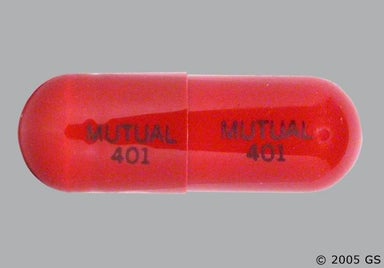
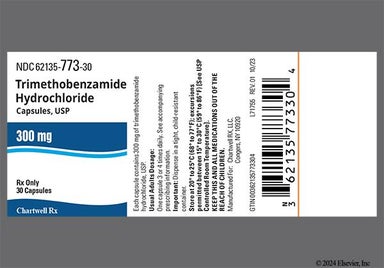
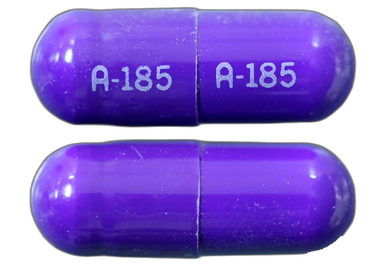
Tigan (trimethobenzamide) images