Key takeaways:
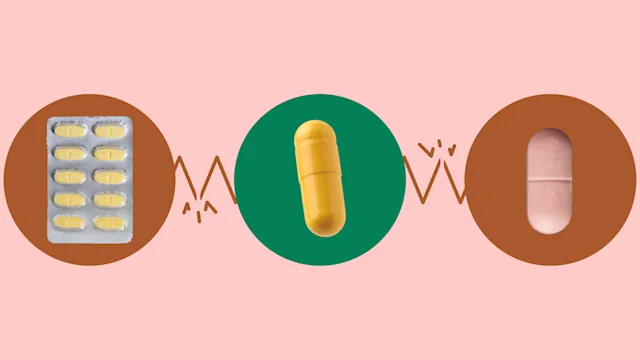
In its oral form, tacrolimus (Prograf, Envarsus XR, Astagraf XL) is an immunosuppressive medication that reduces the risk of organ rejection after a transplant. The topical form of tacrolimus (Protopic) is sometimes prescribed to treat eczema.
Without insurance, 60 capsules of generic 1 mg tacrolimus costs an average of $140.45. One 60 g tube of generic tacrolimus 0.03% ointment costs an average of $496.65.
If you don’t have insurance or your plan doesn’t cover tacrolimus, you can use a GoodRx coupon, compare costs at different pharmacies, and explore patient assistance programs. You can also ask a healthcare professional about alternative medications.
Save on related medications
Tacrolimus is a prescription medication that helps prevent the body from rejecting a transplanted organ. It works by suppressing the immune system, which lowers the risk of rejection.
Tacrolimus is available in several forms. Oral tacrolimus (Prograf, Envarsus XR, Astagraf XL) is commonly used after liver, kidney, or heart transplants. It comes in immediate-release (IR), extended-release (ER), and oral liquid forms. A topical form (Protopic) may be prescribed for eczema, but it isn’t a first-choice treatment.
If you’ve been prescribed tacrolimus, understanding how much it costs and ways to save can help you manage this important medication more affordably.
How much does tacrolimus cost?
Without insurance or discounts, 60 capsules of generic 1 mg tacrolimus costs an average of $140.45. One 60 g tube of generic tacrolimus 0.03% ointment costs an average of $496.65.
For oral tacrolimus, your dosage is highly personalized. It requires ongoing monitoring to ensure the medication is safe and effective. The IR capsule (Prograf) and ER capsules (Astagraf XL) are available as brand-name medications and lower-cost generics. The ER tablet (Envarsus XR) and oral liquid (Prograf) are brand-name only.
For topical tacrolimus, there are two concentrations: 0.03% and 0.1%. The ointment is applied twice daily. How long a tube will last depends on the size of the affected area. Both brand-name and generic forms are available.
The chart below details the average retail prices for various doses and quantities of generic tacrolimus capsules and ointments. Keep in mind that brand-name versions of medications typically cost more than the generic versions.
Doses and quantities | Average retail price (generic formulations) |
|---|---|
Tacrolimus capsules, 0.5 mg (60 capsules) | |
Tacrolimus capsules, 1 mg (60 capsules) | |
Tacrolimus capsules, 5 mg (60 capsules) | |
Tacrolimus ointment (30 g of 0.03%), 1 tube | |
Tacrolimus ointment (60 g of 0.03%), 1 tube | |
Tacrolimus ointment (100 g of 0.03%), 1 tube | |
Tacrolimus ointment (30 g of 0.1%), 1 tube | |
Tacrolimus ointment (60 g of 0.1%), 1 tube | |
Tacrolimus ointment (100 g of 0.1%), 1 tube |
Which factors affect the cost of tacrolimus?
Several factors can affect how much you’ll pay for tacrolimus, including:
Insurance: Most insurance plans cover oral and topical forms of tacrolimus. But your out-of-pocket cost can vary based on factors such as your deductible, copay, and coinsurance.
Dosage and formulation: Your dosage and the form you’re prescribed can affect how much you pay for tacrolimus. Higher doses typically cost more than lower doses. And the ER tablet and oral liquid don’t have generics, so they may be more expensive.
Discounts: Save money on your tacrolimus prescription by using a discount from GoodRx, regardless of your insurance status. A manufacturer copay savings card or patient assistance program may be available for brand-name products.
Pharmacy: Medication prices can vary across pharmacies. So it pays to compare prices to find the best deal.
Is tacrolimus covered by insurance?
Most health insurance plans cover both oral and topical forms of generic tacrolimus. But coverage may depend on the reason for treatment. Check your plan’s summary of benefits and coverage and formulary to determine whether tacrolimus is covered.
Oral tacrolimus is also typically covered under Medicare’s immunosuppressive drug benefit. This benefit ensures immunosuppressive medications are covered for kidney recipients who qualified for Medicare specifically because they had end-stage renal disease and have no prescription coverage 36 months after a successful transplant. Accessing this benefit requires enrollees to pay an extra premium.
Some health insurance plans that cover tacrolimus require enrollees to get a prior authorization or do step therapy. For the ointment, a prior authorization is required for nearly 50% of Medicaid enrollees, as well as 20% of people with Medicare and Affordable Care Act (ACA) plans. About 20% of people in ACA plans can expect to be required to do step therapy. So can 25% of enrollees in other commercial plans, as well as 25% of Medicare enrollees.
Nearly 70% of Medicare prescription medication insurance enrollees are required to get a prior authorization for tacrolimus capsules.
How different insurance plans cover tacrolimus
The following charts show the percentage of enrollees who have coverage — as well as prior authorization and step therapy requirements — for two forms of tacrolimus across various plans.
Insurance type | Enrollees covered for tacrolimus 0.03% ointment | Enrollees required to get prior authorization | Enrollees required to do step therapy |
|---|---|---|---|
99.4% | 21% | 18.4% | |
Commercial plans (excluding ACA) plans | 99.2% | 2.9% | 23.1% |
Medicare, including original Medicare and Medicare Advantage plans | 99.6% | 20.1% | 24.6% |
Medicaid, including state-run and managed care plans | 99.8% | 45.7% | 5.0% |
Insurance type | Enrollees covered for tacrolimus 1 mg capsules | Enrollees required to get prior authorization | Enrollees required to do step therapy |
|---|---|---|---|
99.5% | 1.6% | 0.3% | |
Commercial plans (excluding ACA) plans | 98.9% | 1.6% | 0.6% |
Medicare, including original Medicare and Medicare Advantage plans | 99.9% | 68.5% | 0% |
Medicaid, including state-run and managed care plans | 98.3% | 7.1% | 0% |
Source: Managed Markets Insight & Technology, LLC™, as of January 6, 2025. (See methodology below.)
If your insurance doesn’t cover tacrolimus, here are a few options to try:
Talk to your prescriber about alternative medications that may be covered by your plan.
Ask for a formulary exception from your plan to get coverage for tacrolimus. Keep in mind that you may be required to do step therapy or get a prior authorization to be covered.
If you request a formulary exception and it is denied, file an appeal with your plan.
Use a GoodRx coupon for potential savings.
Consider changing your prescription medication coverage during your next open enrollment period.
Check to see if there are patient assistance programs that offer discounted or free medication.
Ways to save on tacrolimus
Even though most forms of tacrolimus are available as lower-cost generics, there are still potential ways to save money on your prescription. Here are five strategies to consider.
1. Use a GoodRx coupon
With a GoodRx coupon, you may be able to pay a lower price for your tacrolimus prescription. At certain pharmacies, you may be able to get 60 capsules of generic 1 mg tacrolimus for as low as $19.80 with a GoodRx coupon. One 60 g tube of generic tacrolimus 0.03% ointment costs as little as $53.00.
Here’s how to get a coupon:
Visit www.goodrx.com, or install the GoodRx app on your mobile device.
Type “tacrolimus” in the search field.
Choose your correct quantity and location.
Click or tap on “Search prices” to find prices at pharmacies near you.
Choose to receive your coupon via text or email, or print it out.
Show the coupon at your pharmacy when you pick up your medication. Or present the coupon to your pharmacy staff when you first receive your prescription. This will help prevent delays at the pickup counter.
2. Compare prices at various pharmacies
GoodRx can help you easily compare costs at different pharmacies in your area so that you can find the best price for tacrolimus.
3. Ask your prescriber about alternatives
If you’re concerned about the cost of tacrolimus, talk to your prescriber. There may be another medication that adequately treats your condition and better fits your budget.
4. Use tax-advantaged healthcare funds
If you have a health savings account (HSA), a flexible spending account (FSA), or a health reimbursement arrangement (HRA), using those funds to buy your medication can reduce your out-of-pocket costs through tax savings.
5. Look into discount and financial assistance programs
There may be funds available to help you pay for tacrolimus depending on why you need the medication.
The National Kidney Foundation provides a list of prescription discount and financial assistance programs that are available to people who’ve had a kidney transplant. For example, Veloxis Pharmaceuticals, the company that manufactures Envarsus XR, offers a copay savings card to eligible people with commercial insurance that covers up to the entire cost of their copay.
The bottom line
The oral form of tacrolimus (Prograf, Astagraf XL, Envarsus XR) is prescribed to prevent organ transplant rejection, while the topical form (Protopic) is a second-choice eczema treatment. Most insurance plans cover tacrolimus, but you may be subject to prior authorization or step therapy requirements.
If you don’t have insurance, the cost of 60 capsules of 1 mg tacrolimus averages about $140.45. One 60 g tube of generic tacrolimus 0.03% ointment costs an average of $496.65. But you may be able to save money by using a GoodRx coupon. There also may be savings available if you apply for a manufacturer copay savings card.

Why trust our experts?



Methodology
We obtained national prescription coverage data for each medication from Managed Markets Insight & Technology (MMIT). The data reflects health insurance coverage as of January 2025.
We calculated the percentage of enrollees in plans that cover each medication by dividing the number of enrollees covered for the medication within a specific insurance channel (e.g., ACA, Medicare, Medicaid) by the total number of enrollees in all plans within that channel.
We determined the percentage of enrollees in plans with a prior authorization requirement by calculating the proportion of enrollees in plans that required prior authorization for the medication within each channel.
Finally, we measured the percentage of enrollees in plans with a step therapy requirement by calculating the proportion of enrollees in plans that imposed step therapy requirements for the medication in each channel.
These estimates, derived from national MMIT coverage data, provide insight into health insurance coverage for each medication. They take into account restrictions such as prior authorization, step therapy, and quantity limits. The percentages are expressed relative to the total number of enrollees covered by various insurance channels, including ACA plans, commercial (excluding ACA) plans, Medicare, and Medicaid (both state-run and managed care plans).
References
CMS.gov. (2024). Medicare Part B immunosuppressive drug benefits. Centers for Medicare & Medicaid Services.
Envarsus XR. (n.d.). Savings and support. Veloxsis Pharmaceuticals.
Medicaid.gov. (n.d.). Managed care. Centers for Medicare & Medicaid Services.
National Kidney Foundation. (2025). Prescription discount and assistance resources.
United Network for Organ Sharing. (n.d.). Tacrolimus.