



Worms Medicines for Humans: Prescription and OTC options
Learn about antiparasitic medications for treating worm infections in humans, how anthelmintic drugs work to kill worms, infections they treat, and more.
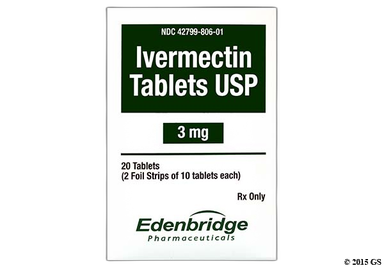
Ivermectin (Stromectol) is an antiparasitic medication. It's used to treat infections caused by certain parasites in the tropical areas. Ivermectin (Stromectol) is also sometimes prescribed off-label for treating scabies. Ivermectin (Stromectol) can be taken by adults and children weighing 15 kg and more. Depending on what infection you have, you might only need a single dose of ivermectin (Stromectol), or repeated treatments. Some common side effects of ivermectin (Stromectol) include stomach pain and nausea. Watch out for dizziness, itching, rash, and swelling, which can be symptoms of a severe allergic reaction.

Ivermectin (Stromectol) is an antiparasitic medication. Ivermectin (Stromectol) affects the nerve and muscle cells of parasites, which kills or causes the parasites to become paralyzed.
| Common Brands | Stromectol |
|---|---|
| Drug Class | Antiparasitic agent |
| Controlled Substance Classification | Not a controlled medication |
| Generic Status | Lower-cost generic available |
| Availability | Prescription only |

The following side effects may get better over time as your body gets used to the medication. Let your healthcare provider know immediately if you continue to experience these symptoms or if they worsen over time.
Reported by people treated for strongyloidiasis
Reported by people treated for river blindness
Contact your healthcare provider immediately if you experience any of the following.
Along with its needed effects, a medicine may cause some unwanted effects. Although not all of these side effects may occur, if they do occur they may need medical attention.
Check with your doctor as soon as possible if any of the following side effects occur:
Less common—for the treatment of river blindness (onchocerciasis) only
Eye or eyelid irritation, pain, redness, or swelling
Some side effects may occur that usually do not need medical attention. These side effects may go away during treatment as your body adjusts to the medicine. Also, your health care professional may be able to tell you about ways to prevent or reduce some of these side effects. Check with your health care professional if any of the following side effects continue or are bothersome or if you have any questions about them:
More common—for the treatment of river blindness (onchocerciasis) only
joint or muscle pain
painful and tender glands in neck, armpits, or groin
rapid heartbeat
Less common—for the treatment of river blindness (onchocerciasis) only
Headache
swelling of the face, hands, arms, feet, or legs
Rare—for the treatment of river blindness (onchocerciasis) only
Lightheadedness when getting up from a lying or sitting position
Rare—for the treatment of strongyloidiasis only
Loss of appetite
shaking or trembling
sleepiness
Other side effects not listed may also occur in some patients. If you notice any other effects, check with your healthcare professional.
Call your doctor for medical advice about side effects. You may report side effects to the FDA at 1-800-FDA-1088.




Ivermectin (Stromectol) can cause some serious health issues. This risk may be even higher for certain groups. If this worries you, talk to your doctor or pharmacist about other options.
Very rarely, people who take ivermectin (Stromectol) to treat river blindness might experience a severe allergic reaction called Mazzotti reaction. This is your body's immune system responding to the death of parasitic worms. If not treated, this reaction can be life-threatening. Get medical attention right away if you experience rash, fever, joint pain, stomach upset, and swollen lymph nodes.
Rarely, people who are taking ivermectin (Stromectol) might experience nerve- or brain-related problems, such as severe sleepiness, confusion, or even coma. Get medical attention right away if you feel any of these side effects. Usually, the symptoms go away after you stop ivermectin (Stromectol). But if left untreated, these problems can become life-threatening.

 Tablet
| Dosage | Quantity | Price as low as | Price per unit |
|---|---|---|---|
| 3mg | 10 tablets | $22.46 | $2.25 |

Although certain medicines should not be used together at all, in other cases two different medicines may be used together even if an interaction might occur. In these cases, your doctor may want to change the dose, or other precautions may be necessary. When you are taking this medicine, it is especially important that your healthcare professional know if you are taking any of the medicines listed below. The following interactions have been selected on the basis of their potential significance and are not necessarily all-inclusive.
Using this medicine with any of the following medicines may cause an increased risk of certain side effects, but using both drugs may be the best treatment for you. If both medicines are prescribed together, your doctor may change the dose or how often you use one or both of the medicines.




Prescription savings
Stop paying too much for your prescriptions. Compare prices, get pharmacy coupons, and save up to 80%. Find expert answers to your health questions so you can make the best decisions for yourself and your family.
Health conditions
Medications & treatment
Access & affordability
Medication discounts

Ivermectin is taken by mouth on an empty stomach with water. Your healthcare team will determine your dose based on what type of parasite infection you have and your body weight. People who have strongyloidiasis typically only need to take a single dose of Ivermectin. But people who have river blindness might need to repeat their dose of Ivermectin as often as every 3 months. In general, your healthcare team will give you very specific instructions on how to take Ivermectin for your medical condition.
Ivermectin is FDA-approved to treat river blindness and strongyloidiasis in humans. This means that it should be safe to take for these conditions, when prescribed under the guidance of a healthcare team. But like all medications, Ivermectin has some risks for side effects. Some of the more common side effects include stomach pain, nausea, and vomiting. But rarely, it can cause more serious side effects, such as symptoms of a Mazzotti reaction that need immediate medical attention.
If you have strongyloidiasis, typically you'll need to take Ivermectin for 1 to 2 days to treat the infection. But if you have river blindness, you might need repeated courses of Ivermectin to completely get rid of the infection. Please follow up with your care team after the first treatment to see if you need to take Ivermectin again.
How long it takes for Ivermectin to kill parasites depends on the type of infection you're treating. A study of the treatment of strongyloidiasis showed that most people no longer had Strongyloides larvae in their stools 3 to 4 weeks after a single treatment of Ivermectin. A study of people who took Ivermectin for river blindness showed that the amount of parasites in skin samples dropped by 80% three days after treatment and by more than 99% three months after treatment.
Ivermectin isn't FDA-approved for scabies. But according to the CDC Ivermectin can be prescribed off-label by healthcare professionals for treating scabies. It's a first-choice medication for scabies; treatment requires two doses taken 1 to 2 weeks apart. In addition, Ivermectin should be taken with food when it's used to treat scabies because it might absorb into the body better. Ask your PCP if Ivermectin is appropriate for you.
No, Ivermectin isn't FDA-approved to prevent or treat COVID-19 and it shouldn't be prescribed or taken for this purpose. There's not enough evidence to suggest Ivermectin works against COVID-19. Talk with your healthcare team if you've questions about ways to prevent or treat COVID-19.

