Key takeaways:
Spironolactone (Aldactone, CaroSpir) is a prescription medication that’s FDA approved to treat certain heart conditions, like high blood pressure and heart failure.
Spironolactone may help with female-pattern hair loss (FPHL) — also called androgenetic alopecia. However, it’s not officially approved for this use, and each person may experience different results with the medication.
Talk to your dermatologist before starting spironolactone. They can help you decide if it would be the best medication for your symptoms.
Save on related medications
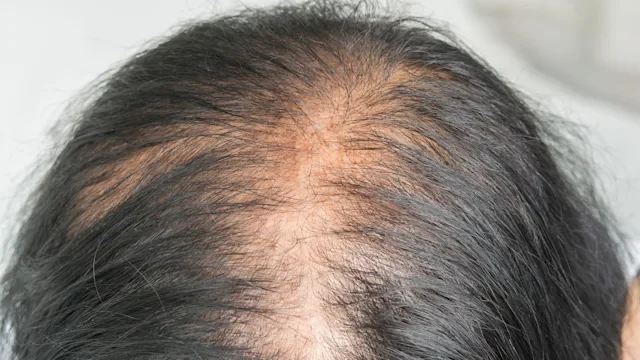
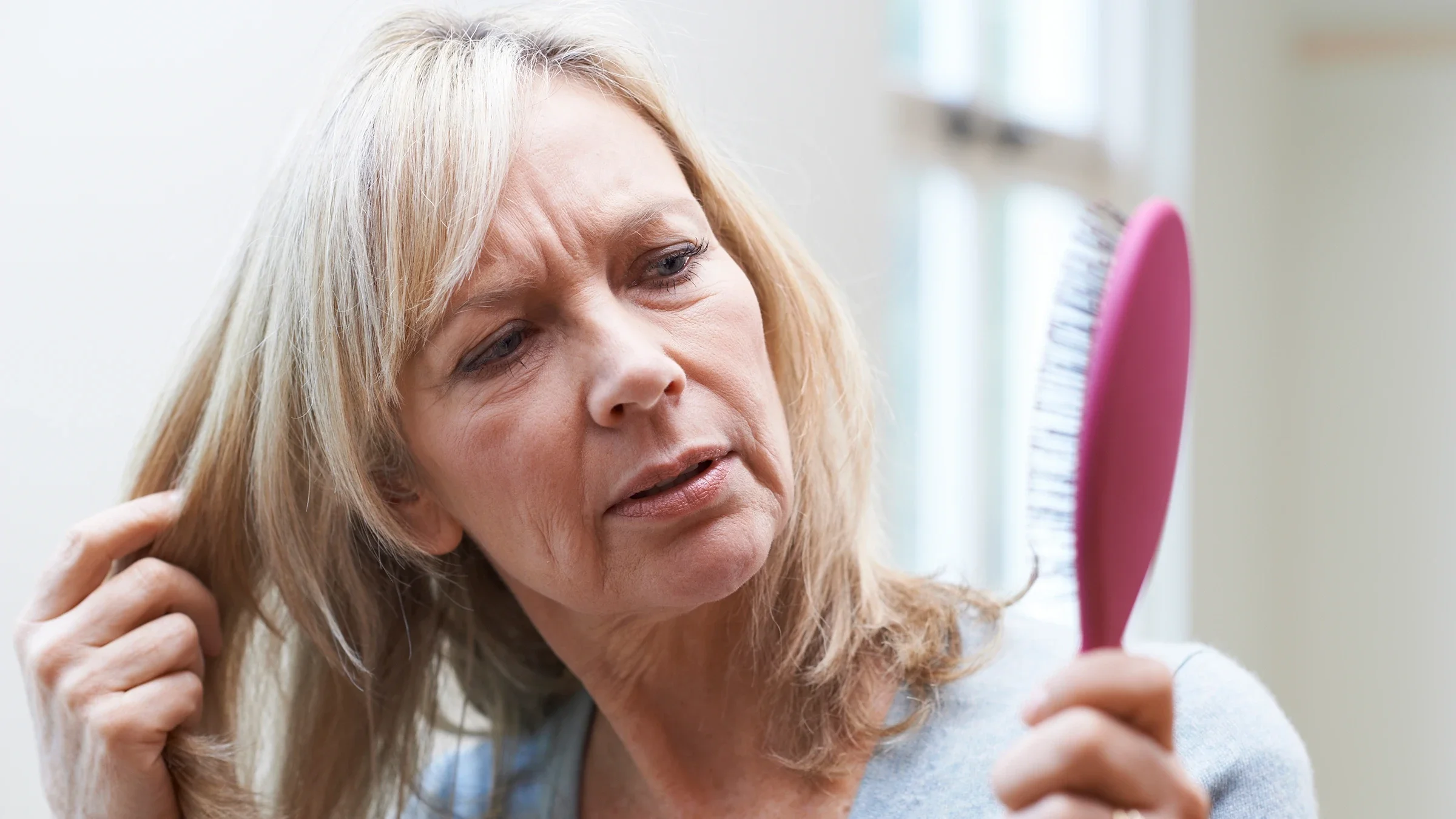
Female-pattern hair loss (FPHL), also called androgenetic alopecia, is the most common form of hair loss in women. It usually begins after age 40, and more than half of women will eventually experience it. While the exact cause isn’t fully clear, research suggests that it usually happens as women go through menopause. Hair spends less time growing, which can lead to hair thinning. Hair follicles themselves can also become smaller. Genetics can play a role, too.
Some hair-loss experts have explored spironolactone (Aldactone, CaroSpir) as a potential hair-loss remedy for women. This prescription medication was originally developed to treat high blood pressure and fluid retention, but studies show that it may help hair loss, too.
Here, we’ll review the research on spironolactone's effectiveness and recommended dosages for hair loss in women. We’ll also detail the potential risks to keep in mind.
Search and compare options
How does spironolactone work for hair loss?
Spironolactone may help you achieve thicker, fuller hair over time, especially if your hair loss is related to hormonal changes. It’s thought to work in a variety of ways by doing the following:
Blocking androgen hormones: Helps to lower the effects of testosterone and dihydrotestosterone (DHT) on the hair follicles
Prevents hair loss: Slowing hair loss by stopping DHT from attaching to hair follicles
Targets follicles: Enhancing hair density and regrowth by keeping hair follicles from shrinking
Does spironolactone help with hair loss in women?
It can. Spironolactone is sometimes prescribed off-label for FPHL. Although it’s not FDA approved for treating hair loss, your dermatologist may recommend it based on study data.
In a small study of women with FPHL, about 75% of participants saw improvements in hair shedding, thickness, and regrowth with spironolactone. Another review of several clinical studies suggested that spironolactone may effectively treat hair loss in women when used alone or in combination with other hair-loss medicines.
More research is needed to confirm how well spironolactone works. But it’s a promising option for women who haven’t found success with other treatments. If you're considering it, talk to your dermatologist to determine if it’s a good option for you.
Spironolactone’s FDA-approved uses
Spironolactone is approved to treat certain heart problems, including:
Hormone imbalances that affect how your body handles salt and water (primary hyperaldosteronism)
Swelling when your liver or kidneys aren't working properly (edema)
Spironolactone offers these benefits due to how it functions. It belongs to a medicine class known as aldosterone antagonists. It works in the body by blocking a hormone called aldosterone. By blocking aldosterone, this "water pill," or diuretic, stops your body from holding on to extra fluid.
How effective is spironolactone for female-pattern hair loss?
Spironolactone seems to be relatively beneficial for treating FPHL. It does this by blocking certain hormones, such as androgens like testosterone. These hormones can make hair follicles shrink, leading to hair loss or thinning. By reducing the effects of these hormones, spironolactone can help slow down hair loss and may even improve hair growth over time.
In addition to the studies mentioned above, other small studies have shown promising results. For instance, one study published in the Journal of Cosmetic Dermatology found that 43% of women saw an improvement in hair loss after 4 months of using spironolactone and topical minoxidil (a common hair-loss medicine) — with no serious side effects reported.
If you’re considering spironolactone for your hair loss, talk to your dermatologist to see if it's the right treatment for you. Keep in mind: Success rates and results can vary with any medication, especially hair-loss remedies. Talk to a dermatologist to find the best approach tailored to your hair-loss needs.
Can spironolactone cause hair loss?
Spironolactone doesn’t generally cause hair loss. But some people may experience temporary hair loss for a few weeks when they first start using it. This can happen as hair transitions from a resting phase to a growing phase.
What’s the recommended spironolactone dosage for female-pattern hair loss?
Since spironolactone isn’t approved for FPHL, there isn’t a standard dosage for it. Instead, the recommended spironolactone dosage for hair loss in women depends on a few factors, like:
Your overall health
Your hormone levels
The extent of your hair loss
In a study of women treated with spironolactone for FPHL, though, the average dosage was 100 mg once daily for at least 6 months. Daily doses varied from 25 mg to 200 mg.
Your dermatologist may prescribe a lower spironolactone dose at first to see how well you tolerate the medicine. If all goes well, they may increase it to a target dose of 100 mg to 200 mg daily with careful monitoring.
For reference, spironolactone tablets come as 25 mg, 50 mg, and 100 mg. The oral suspension comes in a 25 mg / 5 mL concentration.
How long does it take to see hair growth results with spironolactone?
Hair takes time to grow, and spironolactone isn't a quick fix. For example, in one case report, a woman noticed an improvement in hair growth after about 1 year of taking spironolactone 200 mg. But these results came in stages. Early signs of regrowth, such as reduced hair shedding, appeared within the first few months. New hair growth in thinning areas typically showed after around 6 months. Full results took up to a year or longer.
It's important to note that everyone responds differently to the medication, and the timeline for visible results can vary. If you’re considering spironolactone for hair loss, make sure to ask your prescriber about the time it’ll likely take to see improvements.
Can you combine spironolactone with minoxidil or other hair-loss medications?
Yes, spironolactone is often used in combination with minoxidil (Rogaine) — a topical over-the-counter (OTC) hair-loss medication. Minoxidil helps increase blood flow to the hair follicles, which can help hair grow.
Depending on the extent of your hair loss, a dermatologist or healthcare professional might suggest additional options, such as platelet-rich plasma (PRP) therapy or a hair transplant. Studies have shown that combining treatments can lead to better results.
Before using any hair-loss treatments, always talk to your prescriber to ensure they're safe and suitable for your needs.
Possible side effects of spironolactone for hair loss in women?
Spironolactone has a few risks to keep in mind. It most often causes mild side effects that get better or go away as your body adjusts to the medication. These spironolactone side effects include:
Headaches
Breast tenderness
Muscle cramps in the legs
Low sodium levels
Stomach issues
Electrolyte imbalances
Some less common, but more serious spironolactone side effects include:
Stomach bleeding
Excessive electrolyte changes
Always talk to your prescriber if you start to experience side effects while taking spironolactone.
Potassium-related risks
Spironolactone can increase potassium levels in your blood. This can be harmful, especially to your heart.
If you have a history of heart or kidney problems, or take other medications that increase your potassium levels, your healthcare team will likely want to collect routine blood work to monitor your potassium levels.
Pregnancy risks
Spironolactone isn’t safe to take during pregnancy. It can affect a developing fetus. If you're of childbearing age, use effective contraception while taking spironolactone. You should avoid taking spironolactone if you're pregnant or planning to become pregnant.
Does spironolactone help with hair loss in men too?
Spironolactone may help with hair loss in men. However, it's generally not recommended. Spironolactone decreases testosterone levels, which can cause unwanted side effects. It can also cause men to develop breast tissue over time, a condition called gynecomastia.
Men who have hair loss usually benefit from medicines like oral finasteride (Propecia) and topical or oral minoxidil.
Frequently asked questions
Many women will experience hair regrowth and improved density after starting spironolactone. But patience is key: It can take 6 to 12 months of consistent use to see effects. And keep in mind that you have to continue using it to maintain the effects. If you stop, you could lose the regrowth.
In general, studies don’t show that spironolactone causes weight gain. In fact, spironolactone is a diuretic (“water pill”) which causes the body to release excess water. This can lead to initial weight loss when you first start using it.
Having said that, everyone reacts differently to medications. Some people may experience weight gain while taking spironolactone. If this is the case for you, talk to a healthcare professional to determine if it’s the spironolactone or something else.
If you’re taking spironolactone for hair loss, you can technically stop taking it suddenly (unlike other medications, like prednisone). But, if you’ve been on it for a while and you’re on a higher dose, it may be best not to. In some people, stopping too fast may lead to sudden hair shedding and other symptoms (like dizziness).
Your dermatologist can help you find the best way to stop taking spironolactone, which may be a more gradual step-down approach.
Many women will experience hair regrowth and improved density after starting spironolactone. But patience is key: It can take 6 to 12 months of consistent use to see effects. And keep in mind that you have to continue using it to maintain the effects. If you stop, you could lose the regrowth.
In general, studies don’t show that spironolactone causes weight gain. In fact, spironolactone is a diuretic (“water pill”) which causes the body to release excess water. This can lead to initial weight loss when you first start using it.
Having said that, everyone reacts differently to medications. Some people may experience weight gain while taking spironolactone. If this is the case for you, talk to a healthcare professional to determine if it’s the spironolactone or something else.
If you’re taking spironolactone for hair loss, you can technically stop taking it suddenly (unlike other medications, like prednisone). But, if you’ve been on it for a while and you’re on a higher dose, it may be best not to. In some people, stopping too fast may lead to sudden hair shedding and other symptoms (like dizziness).
Your dermatologist can help you find the best way to stop taking spironolactone, which may be a more gradual step-down approach.
The bottom line
Spironolactone (Aldactone, CaroSpir) is an off-label treatment option for female-pattern hair loss (FPHL). While it can take time to see results, research shows it might help improve hair growth and thickness in women. Spironolactone has side effects, though, and it may need careful monitoring to prevent heart-related health problems. If you're struggling with hair loss, talk to a dermatologist to see if spironolactone would be a good option for you.

Why trust our experts?




References
Aleissa, M. (2023). The efficacy and safety of oral spironolactone in the treatment of female pattern hair loss: A systematic review and meta-analysis. Cureus.
Bazargan, A. S., et al. (2023). The efficacy of the combination of topical minoxidil and oral spironolactone compared with the combination of topical minoxidil and oral finasteride in women with androgenic alopecia, female and male hair loss patterns: A blinded randomized clinical trial. Journal of Cosmetic Dermatology.
Burns, L. J., et al. (2020). Spironolactone for treatment of female pattern hair loss. Journal of the American Academy of Dermatology.
Dinh, Q. Q., et al. (2007). Female pattern hair loss: Current treatment concepts. Clinical Interventions in Aging.
Famenini S., et al. (2015). Demographics of women with female pattern hair loss and the effectiveness of spironolactone therapy. Journal of the American Academy of Dermatology.
Hodemeaker, C., et al. (2007). Treatment of female pattern hair loss with a combination of spironolactone and minoxidil. The Australasian Journal of Dermatology.
Maron, B. A., et al. (2010). Aldosterone receptor antagonists: Effective but often forgotten. Circulation.
MedlinePlus. (2023). Androgenic alopecia.
Messenger, A. G., et al. (2006). Follicular miniaturization in female pattern hair loss: Clinicopathological correlations. The British Journal of Dermatology.
Rathnayake, D., et al. (2010). Innovative use of spironolactone as an antiandrogen in the treatment of female pattern hair loss. Dermatologic Clinics.
Sun Pharmaceutical Industries. (2023). Spironolactone tablet [package insert]. DailyMed.
Yip, L., et al. (2009). Gene-wide association study between the aromatase gene (CYP19A1) and female pattern hair loss. The British Journal of Dermatology.
Yip, L., et al. (2011). Role of genetics and sex steroid hormones in male androgenetic alopecia and female pattern hair loss: An update of what we now know. The Australian Journal of Dermatology.