



12 Medications That Can Be Dangerous to Take If You’re Pregnant
Did you know warfarin and some acne medications can harm a developing fetus? Review which medications are the most dangerous to take during pregnancy.
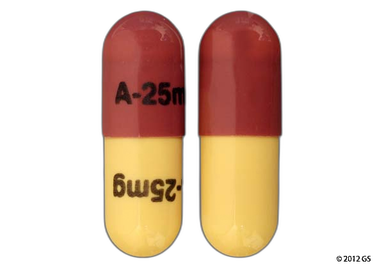
Acitretin is a retinoid. It's used to treat severe forms of psoriasis in adults. It's taken by mouth once a day, typically with your main meal of the day. Some of the more common side effects of this medication include chapped lips, peeling skin, and higher cholesterol levels. Acitretin has a black box warning for causing serious birth defects and should be avoided by people who are pregnant or plan to become pregnant within 3 years after treatment.

| Common Brands | Soriatane |
|---|---|
| Drug Class | Retinoid |
| Controlled Substance Classification | Not a controlled medication |
| Generic Status | Lower-cost generic available |
| Availability | Prescription only |

The following side effects may get better over time as your body gets used to the medication. Let your healthcare provider know immediately if you continue to experience these symptoms or if they worsen over time.
Contact your healthcare provider immediately if you experience any of the following.
Along with its needed effects, a medicine may cause some unwanted effects. Although not all of these side effects may occur, if they do occur they may need medical attention.
Check with your doctor immediately if any of the following side effects occur:
More common
Back pain
bad, unusual, or unpleasant (after) taste
bone or joint pain
change in taste
continuing ringing or buzzing or other unexplained noise in the ears
difficulty with moving or walking
excessive muscle tone
feeling of warmth
headache (severe and continuing)
hearing loss
increased sensitivity to pain
increased sensitivity to touch
muscle stiffness, tension, or tightness
nausea (severe and continuing)
redness of the face, neck, arms, and occasionally, upper chest
redness of the skin
thinning of the skin with easy bruising
tingling in the hands and feet
tongue irritation
trouble sleeping
vomiting (severe and continuing)
Less common
Abnormal sensation of burning or stinging
blurred vision
belching
breast pain
cracking, redness, skin irritation, or rash (including a rash that looks like psoriasis)
general feeling of discomfort or illness
increased hair growth on the forehead, back, arms, and legs
indigestion
infection, ulcers, unusual odor, or small red spots in the skin
itching of the vagina or genital area
loosening of the fingernails
loss of eyebrows or eyelashes
pain during sexual intercourse
redness of the eyes
redness or soreness around the fingernails
redness or swelling of the eyelid
sensitivity of the eyes to light
sore mouth or tongue
thick, white vaginal discharge with no odor or with a mild odor
watery eyes
white patches in the mouth or on the tongue
Rare
Bleeding gums
bleeding time increased
coughing up blood
darkened urine
difficulty in breathing or swallowing
double vision or other problems in seeing, including decreased night vision after sunset and before sunrise
hoarseness
increased menstrual flow or vaginal bleeding
itchy or painful ears
light-colored stools
nosebleeds
pale or cold hands or feet
paralysis
prolonged bleeding from cuts
red or dark brown urine
sore on the edge of the eyelid (stye)
stomach pain
thick, white, curd-like vaginal discharge
unpleasant breath odor
unusual tiredness or weakness
vaginal itching or irritation
vomiting of blood
yellowing of the skin or eyes
Incidence not known
Assault
attack
burning, numbness, tingling, or painful sensations
chest discomfort
confusion
difficulty with speaking
doing things to injure oneself
inability to move the arms, legs, or facial muscles
inability to speak
pain in the chest, groin, or legs, especially calves
pain or discomfort in the arms, jaw, back, or neck
slow speech
slurred speech
sudden loss of coordination
sudden, severe weakness or numbness in the arms or legs
sweating
thoughts of killing oneself
unsteadiness or awkwardness
vision changes
weakness in the arms, hands, legs, or feet
Get emergency help immediately if any of the following symptoms of overdose occur:
Symptoms of overdose
Dizziness or lightheadedness
feeling of constant movement of self or surroundings
sensation of spinning
Some side effects may occur that usually do not need medical attention. These side effects may go away during treatment as your body adjusts to the medicine. Also, your health care professional may be able to tell you about ways to prevent or reduce some of these side effects. Check with your health care professional if any of the following side effects continue or are bothersome or if you have any questions about them:
More common
Chapped, red, or swollen lips
difficulty in wearing contact lenses
dry or runny nose
dryness of the eyes
increased ability to sunburn
increased amount of ear wax (unusual)
irritation in the mouth or swollen gums
itchy skin
loss of hair (usually reversible)
scaling and peeling of the eyelids, fingertips, palms, and soles of feet
sticky skin
unusual thirst
Other side effects not listed may also occur in some patients. If you notice any other effects, check with your healthcare professional.
Call your doctor for medical advice about side effects. You may report side effects to the FDA at 1-800-FDA-1088.




Acitretin can cause some serious health issues. This risk may be even higher for certain groups. If this worries you, talk to your doctor or pharmacist about other options.
 Acitretin can cause very serious harm to unborn babies. Don't take acitretin if you're pregnant or plan to become pregnant within the next 3 years. People who can become pregnant must use two forms of reliable birth control starting a month before, during, and for at least 3 years after treatment. Females should also avoid drinking alcohol during and for 2 months after treatment with acitretin because doing so causes this medication to stick around longer in your body. Your healthcare provider will make sure you aren't pregnant every month while you're taking acitretin.
Additionally, you shouldn't use this medication if you're breastfeeding. If you do become pregnant while using this medication, you should tell you healthcare provider right away. Talk to your healthcare provider or pharmacist for more information.
Small amounts of acitretin have been found in the semen of males taking this medication. This small amount of acitretin in the semen can still be a little risky to an unborn child, since it might raise the risk of birth defects. You should discuss any concerns you have about this with your healthcare provider.
Don't donate blood for at least 3 years after stopping acitretin. Acitretin
in your blood can harm an unborn baby if your donated blood is given to someone who's pregnant.
Acitretin can harm the liver. People using acitretin have experienced abnormal liver function tests and inflammation of their liver. Your healthcare provider should do blood tests to make sure your liver is healthy before and during treatment. Let your healthcare provider know right away if you experience any severe nausea or vomiting, yellowing of your skin or the whites of your eyes, loss of appetite, or dark urine.
Acitretin can raise cholesterol and triglycerides ("bad fats") while lowering HDL ("good fat"). This raises the risk of heart disease, heart attack, and stroke. Additionally, there have been reports of pancreatitis (inflammation of the pancreas) in people taking acitretin. Your provider will do blood draws to check your cholesterol level regularly, typically every 1-2 weeks when you first start the medication, then less often after your cholesterol level becomes stable. Call 911 right away if you experience chest pain, arm pain, shortness of breath, a cold sweat, weakness on one side of your body, confusion, bad headache, or trouble speaking or walking. These can be signs of a heart attack or stroke.
Acitretin can cause skeletal changes to your spine, knees, and ankles. These changes can happen at any time, but usually happen after long-term use of acitretin. Talk to your healthcare if you have trouble moving around while taking this medication.
Acitretin can cause changes in your vision. Since this can happen suddenly, you should be careful driving at night until you know how this medication affects you. Acitretin can also dry your eyes. People who wear contact lenses might be uncomfortable during and after treatment with acitretin. If this happens, you should remove your contact lenses and contact your healthcare provider. Finally, if you experience any vision issues while taking this medication, you should let your provider know because they'll likely ask you to stop acitretin and to go to an ophthalmologist or optometrist for an eye exam.
Acitretin can raise the pressure in the brain to dangerous levels. You should also not use any tetracyclines while taking acitretin at the same time as they both can raise brain pressure. Early symptoms include severe headache, changes in vision, or nausea and vomiting. Always let your healthcare provider and pharmacist know all the medications you are taking.
Although rare, there have been some cases of capillary leak syndrome in some people who have received acitretin. Signs of this syndrome include swelling, weight gain, fever, and very low blood pressure. Muscle and joint pain can also happen. If you experience any of these symptoms while using acitretin, you should call your healthcare provider right away.
Although rare, there have been some cases of skin peeling off of people taking acitretin. If this happens, you should stop taking the medication and call your healthcare provider right away.


Although certain medicines should not be used together at all, in other cases two different medicines may be used together even if an interaction might occur. In these cases, your doctor may want to change the dose, or other precautions may be necessary. When you are taking this medicine, it is especially important that your healthcare professional know if you are taking any of the medicines listed below. The following interactions have been selected on the basis of their potential significance and are not necessarily all-inclusive.
Using this medicine with any of the following medicines is not recommended. Your doctor may decide not to treat you with this medication or change some of the other medicines you take.
Using this medicine with any of the following medicines is usually not recommended, but may be required in some cases. If both medicines are prescribed together, your doctor may change the dose or how often you use one or both of the medicines.
Using this medicine with any of the following medicines may cause an increased risk of certain side effects, but using both drugs may be the best treatment for you. If both medicines are prescribed together, your doctor may change the dose or how often you use one or both of the medicines.


Contraindications are specific health conditions or situations in which a person should not take a medication due to safety concerns. If you have any of the following conditions or if any of the following apply to you, let your healthcare provider know because Acitretin will not be safe for you to take.










Prescription savings
Stop paying too much for your prescriptions. Compare prices, get pharmacy coupons, and save up to 80%. Find expert answers to your health questions so you can make the best decisions for yourself and your family.
Health conditions
Medications & treatment
Access & affordability
Medication discounts

No, it's best to avoid drinking alcohol while taking Acitretin. Doing so raises your risk for liver damage because both alcohol and Acitretin can cause liver problems. In addition, drinking alcohol causes Acitretin to stick around much longer in the body. This is especially important for people who are able to have children because this means the risk of birth defects, which lasts at least 3 years after the last dose of Acitretin, can last longer for people who drink alcohol. As an extra precaution, people who can become pregnant must avoid drinking alcohol while taking Acitretin and for 2 months after they stop treatment.
Yes, hair loss, including loss of eyelashes, is a common side effect of Acitretin. Some people might notice changes to their hair color or texture. But it's hard to say how much hair you'll lose and whether or not it'll grow back because this differs from person to person. If you're concerned about hair loss, talk with your dermatologist.
Yes, some people can experience weight changes after starting Acitretin. More people reported weight loss than weight gain, based on results from clinical studies. Talk with your provider about how to eat a healthy diet while taking this medication. If you do develop sudden weight gain while taking Acitretin, it's important to let your care team know because this could be a sign of a more serious problem called capillary leak syndrome.
It might take 2 to 3 months before you can experience the full benefit of Acitretin. Sometimes, your skin might look worse before it starts to improve, since Acitretin can cause side effects like skin peel and dryness. Talk with your dermatologist if you're not sure whether Acitretin is working for you.
Your dermatologist will let you know how long you should take Acitretin. In general, you'll need to take Acitretin for 2 to 3 months to know whether or not this medication is working for you. And if it's working, your dermatologist might ask you to continue treatment as long as Acitretin is helping treat your psoriasis symptoms. If you've been taking Acitretin long term, it's important to keep appointments with your provider so they can monitor you for long-term side effects like bone issues and higher cholesterol levels.
Acitretin can stay in the body for 2 months or longer after your last dose. To be safe, females who are able to have children should avoid getting pregnant during treatment for at least 3 years after the last dose of Acitretin.
Don't make changes to your dose of Acitretin without speaking with dermatologist first. If you want to stop taking Acitretin, talk with your care team.
No, avoid taking supplements that contain vitamin A. Since Acitretin is a form of vitamin A, taking additional supplements with the same ingredient can worsen side effects, such as skin peeling, hair loss, vision problems, and higher cholesterol levels.
