Key takeaways:
Seroquel (quetiapine) is an atypical antipsychotic used to treat schizophrenia and bipolar disorder. It can start working within a couple of weeks, but it typically takes 2 to 3 months to see its full effects.
Seroquel can make you feel drowsy, so consider taking it before bed. It doesn’t need to be taken with food. But taking the extended-release (XR) form with a light meal may prevent an upset stomach.
Common Seroquel side effects include dry mouth, dizziness, and weight gain. If you experience side effects after taking Seroquel, tell a healthcare professional.
Seroquel and Seroquel XR are both available as lower-cost generics. GoodRx can help you save over 90% off the average retail price at certain pharmacies.
Save on related medications
Seroquel (quetiapine) is an atypical antipsychotic medication. It’s FDA approved to treat schizophrenia in adults and adolescents ages 13 and older. It’s also approved to treat bipolar 1 disorder in adults and children ages 10 and older.
Seroquel is available as immediate-release (IR) and extended-release (ER or XR) tablets. It’s typically taken 1 to 3 times a day.
If you’ve recently been prescribed Seroquel, you may be wondering how long it takes for it to work?” We’ll answer this plus nine other frequently asked questions about Seroquel.
1. How long does it take for Seroquel to work?
Symptoms may start to improve within the first several days or weeks of taking Seroquel. How quickly you notice an improvement in your symptoms can depend on why you’re taking it and your dosage.
Your prescriber will likely increase your Seroquel dosage slowly when you start taking it. They’ll adjust your dosage until they find what works best to manage your symptoms.
Schizophrenia
If you’re living with schizophrenia, certain symptoms may improve within the first 1 to 2 weeks of taking Seroquel. These include hallucinations (seeing or hearing things that others don’t) and delusions (an altered sense of reality).
Bipolar disorder
If you’re living with bipolar disorder, symptoms of manic episodes (periods of high energy) and mixed episodes (both manic and depressive symptoms) may improve about 3 weeks after starting Seroquel. One study also showed that some people saw symptom improvement as early as 4 days after taking Seroquel daily.
Bipolar depression symptoms may improve in 8 weeks (about 2 months). But a small study found that depression symptoms may improve as early as 3 days after taking once-daily Seroquel XR.
2. How long does it take to see full effects from Seroquel?
It can take about 2 to 3 months to experience the full benefits of Seroquel. It’s important to keep taking Seroquel as prescribed, even if you don’t notice an improvement right away.
If Seroquel isn’t managing your symptoms well enough, your prescriber may adjust your dosage or recommend taking it with another medication. It can take time and a few adjustments to find the treatment plan and dosage that work best for you.
3. How does Seroquel work in the body?
It’s not completely known how Seroquel works. But it’s thought to help balance the activity of dopamine and serotonin. These are two chemicals in the brain that help regulate mood, behaviors, and thoughts. By regulating these chemicals, Seroquel can help improve symptoms of certain mental health conditions.
Your body also breaks down quetiapine into an active metabolite (a second active ingredient) called norquetiapine. Norquetiapine helps more norepinephrine stay active in your brain. Norepinephrine is a chemical that plays a role in mood and other brain functions. By increasing the amount of norepinephrine in the brain, norquetiapine may help improve depression symptoms.
4. What is the half-life of Seroquel?
Seroquel has a half-life of about 6 hours for the IR form and about 7 hours for the XR form. This means it takes about 6 to 7 hours for half the amount of Seroquel to leave your body.
As mentioned above, Seroquel has an active metabolite called norquetiapine. Norquetiapine has a longer half-life of about 9 to 12 hours.
How long does Seroquel stay in your system?
In general, it takes about 5 half-lives for most of a medication to leave your system. Because Seroquel has an active metabolite with a half-life of up to 12 hours, Seroquel may stay in your body for up to 60 hours (2.5 days). Keep in mind that factors such as your liver function, age, and other medications you take can affect this timeline.
5. How long do you need to take Seroquel?
How long you need to take Seroquel depends on why you’re taking it and how well it works for you. Some people may take Seroquel for a specific period of time (a few weeks to years). Others may need it for life to help manage their symptoms.
Your prescriber will likely recommend taking Seroquel for at least 4 to 6 weeks before making any changes to your treatment plan. This is because it takes this about long for Seroquel to start working.
Don’t stop taking Seroquel suddenly without talking to your prescriber. Stopping Seroquel too quickly can cause withdrawal symptoms, such as nausea, vomiting, and trouble sleeping (more on this below). Your prescriber will help decide how long you should take Seroquel.
6. What is the lowest dose of Seroquel?
The lowest available dose of Seroquel is 25 mg for the IR tablets. The lowest available dose of Seroquel XR is 50 mg.
But the lowest recommended dosage of Seroquel can vary depending on why you’re taking it, your age, and other health factors. Your prescriber will likely raise your dosage slowly over time based on how well your symptoms are managed and whether you experience any side effects.
7. What time should you take Seroquel?
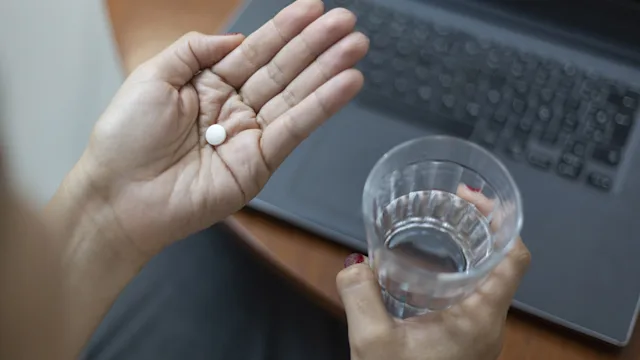
Seroquel may cause drowsiness. This is especially true when first starting the medication or shortly after upping your dose. So taking Seroquel at bedtime might be best if you’re taking it only once a day. This can help limit the amount of daytime drowsiness you feel. A healthcare professional may also recommend bedtime dosing if your health condition is causing insomnia (trouble sleeping).
Seroquel IR can be taken multiple times a day. If this is the case for you, talk with a healthcare professional about taking a smaller dose during the day and a larger dose at bedtime.
8. Should you take Seroquel with food?
You can take Seroquel IR with or without food. But if it bothers your stomach, taking it with food may help. For Seroquel XR, take your dose on an empty stomach or with a light meal (less than 300 calories). Taking Seroquel XR with a high-fat meal can cause your body to absorb too much medication, raising your risk of side effects.
9. What are the side effects of Seroquel?
Side effects from antipsychotic medications, including Seroquel, typically happen during the first few days or weeks while your body gets used to the medication. Many side effects due to Seroquel are mild and can be managed at home. Common Seroquel side effects include:
Headaches
Constipation
Drowsiness
Dizziness
Changes in blood pressure
Seroquel also carries two boxed warnings, the FDA’s strictest warnings for medication side effects or risks:
Suicidal thoughts and behaviors: Seroquel may increase the risk of suicidal thoughts or behaviors in chidren and adults under age 25. It’s important to watch for new or worsening depression or changes in mood or behavior, especially when starting treatment or changing your dose.
Higher risk of death in older adults with dementia-related psychosis: Seroquel can increase the risk of death in older adults with dementia-related psychosis. Because of this risk, Seroquel isn’t FDA approved to treat dementia-related psychosis.
If Seroquel’s side effects worsen or become bothersome, tell a healthcare professional. And don’t stop taking Seroquel on your own. It can raise your risk of side effects such as headache and anxiety (more on this below).
If you or someone you know is having thoughts of suicide, you’re not alone, and help is available. Call the National Suicide Prevention Lifeline at 988, or text HOME to 741-741 to reach the Crisis Text Line.
10. What happens if you miss a dose of Seroquel?
As long as you take your next dosage as prescribed, missing 1 dose of Seroquel IR or XR usually isn’t a cause for concern. But if you miss several doses of Seroquel in a row, it may cause your Seroquel levels to fall. In this case, there’s a higher chance that symptoms of schizophrenia, bipolar disorder, or other mental health conditions may come back.
If you miss a dose of Seroquel, take it as soon as you remember. But if it’s close to the time you would take your next dose, then skip it. Take the next dose at your usual time.
Keep in mind: Don’t take 2 or more doses of Seroquel at the same time to make up for a missed dose. This can raise your risk of side effects, such as drowsiness, fast heart rate, and constipation. Also, taking too much Seroquel can cause serious side effects such as seizures and trouble breathing. If you or a loved one takes more Seroquel than prescribed, seek emergency care. You can also call Poison Control at 1-800-222-1222.
If you’re having trouble remembering your medications, speak to your prescriber or pharmacist. They may recommend switching to once-daily Seroquel XR if you forget to take Seroquel IR multiple times a day. Your healthcare team may also recommend using medication reminder apps, setting alarms, or using a pill organizer to help you remember your doses.
Can missing a dose of Seroquel cause withdrawal symptoms?
Missing 1 dose of Seroquel is not likely to cause withdrawal symptoms. But suddenly stopping Seroquel is more likely to. Withdrawal symptoms can include:
Nausea and vomiting
Diarrhea
Headache
Abdominal pain
Trouble sleeping
Sweating
Muscle aches
Anxiety
If you’re thinking about stopping Seroquel, ask a healthcare professional. They can help you decide if stopping is right for you and make a plan to slowly lower your dose.
How to save on Seroquel
There are many ways to save on Seroquel and Seroquel XR, which are both available as brand-name and generic medications. GoodRx can help you navigate many ways to save on your prescription.
Save with GoodRx. GoodRx can help you save over 90% off the average retail price of the generic version. With a free GoodRx coupon, the cost of quetiapine 200 mg tablets at certain pharmacies may be as low as $12.60 for 60 tablets. The cost of quetiapine ER 400 mg tablets at certain pharmacies may be as low as $16.50 for 30 tablets.
Save with Companion. You can access discounted prescription medications with a GoodRx Companion subscription. Over 250 medications are available for free, with hundreds more under $10. The program also includes benefits to help you cut your self-pay costs, such as lower prices for online care visits, discounts on dental care, and other health services.
Save on Seroquel XR with a copay savings card. If you have commercial insurance, you may pay as little as $3 per month for brand-name Seroquel XR using a manufacturer copay savings card. This card also offers up to $185 per month off the cash price of Seroquel XR for those without insurance coverage.
The bottom line
Seroquel (quetiapine) is an atypical antipsychotic that treats schizophrenia and bipolar 1 disorder. It comes in immediate-release (IR) and extended-release (XR) forms.
It can take about 2 to 3 months to experience Seroquel’s full effects. But you may notice symptom improvement within a couple of weeks of taking it. You can take Seroquel IR with or without food, but you should take Seroquel XR on an empty stomach or with a light meal. Seroquel side effects most often include dry mouth, dizziness, and weight gain. If side effects worsen or become bothersome, tell a healthcare professional.
It’s important not to stop taking Seroquel on your own. Stopping abruptly can raise your risk of withdrawal symptoms. If you have questions or concerns about taking Seroquel, speak with your healthcare team.

Why trust our experts?



References
Agid, O., et al. (2006). The “delayed onset” of antipsychotic action—an idea whose time has come and gone. Journal of Psychiatry and Neuroscience.
Brandt, L., et al. (2020). Antipsychotic withdrawal symptoms: A systematic review and meta-analysis. Frontiers in Psychiatry.
Crisis Text Line. (n.d.). A conversation can change everything.
Endocrine Society. (2022). Adrenal hormones.
Joshi, K., et al. (2025). A review of pharmacokinetic and pharmacodynamic properties of quetiapine IR and XR: Insights and clinical practice implications. Cureus.
López-Muñoz, F., et al. (2013). Active metabolites as antidepressant drugs: The role of norquetiapine in the mechanism of action of quetiapine in the treatment of mood disorders. Frontiers in Psychiatry.
Lupin Pharmaceuticals. (2026). Quetiapine tablet, film coated, extended release [package insert]. DailyMed.
MedlinePlus. (2025). Quetiapine. American Society of Health-System Pharmacists.
Muneer, A. (2015). Pharmacotherapy of bipolar disorder with quetiapine: A recent literature review and an update. Clinical Psychopharmacology and Neuroscience.
National Alliance on Mental Illness. (2024). Quetiapine (seroquel).
988 Suicide & Crisis Lifeline. (n.d.). If you need to talk, the 988 Lifeline is here.
Park, C.-W., et al. (2018). Preparation and in vitro/in vivo evaluation of PLGA microspheres containing norquetiapine for long-acting injection. Drug Design, Development and Therapy.
Poison Control. (n.d.). Get Poison Control help online now.
Porcelli, S., et al. (2014). Quetiapine extended release: Preliminary evidence of a rapid onset of the antidepressant effect in bipolar depression. Journal of Clinical Psychopharmacology.
Sun Pharmaceutical Industries. (2026). Quetiapine fumarate tablet, film coated [package insert]. DailyMed.
Suttajit, S., et al. (2014). Quetiapine for acute bipolar depression: A systematic review and meta-analysis. Drug Design, Development and Therapy.
Verbič, M. T., et al. (2024). Acute quetiapine intoxication: Relationship between ingested dose, serum concentration and clinical presentation—structured literature review and analysis. Journal of Xenobiotics.