Key takeaways:
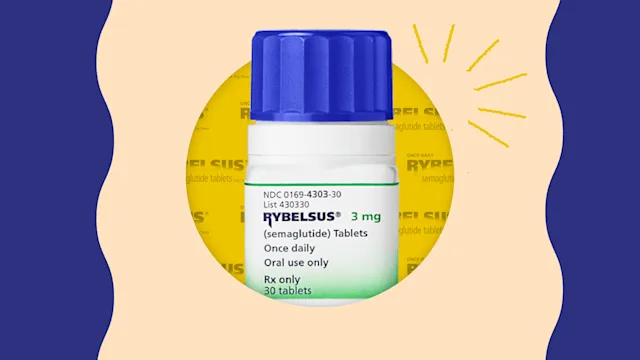
Rybelsus (semaglutide) is an oral medication that treats Type 2 diabetes. It’s similar to Ozempic, an injectable medication that also contains semaglutide.
It’s recommended to take Rybelsus first thing in the morning on an empty stomach. This is because it can interact with food, beverages, and other medications. Wait at least 30 minutes after your dose before ingesting anything else.
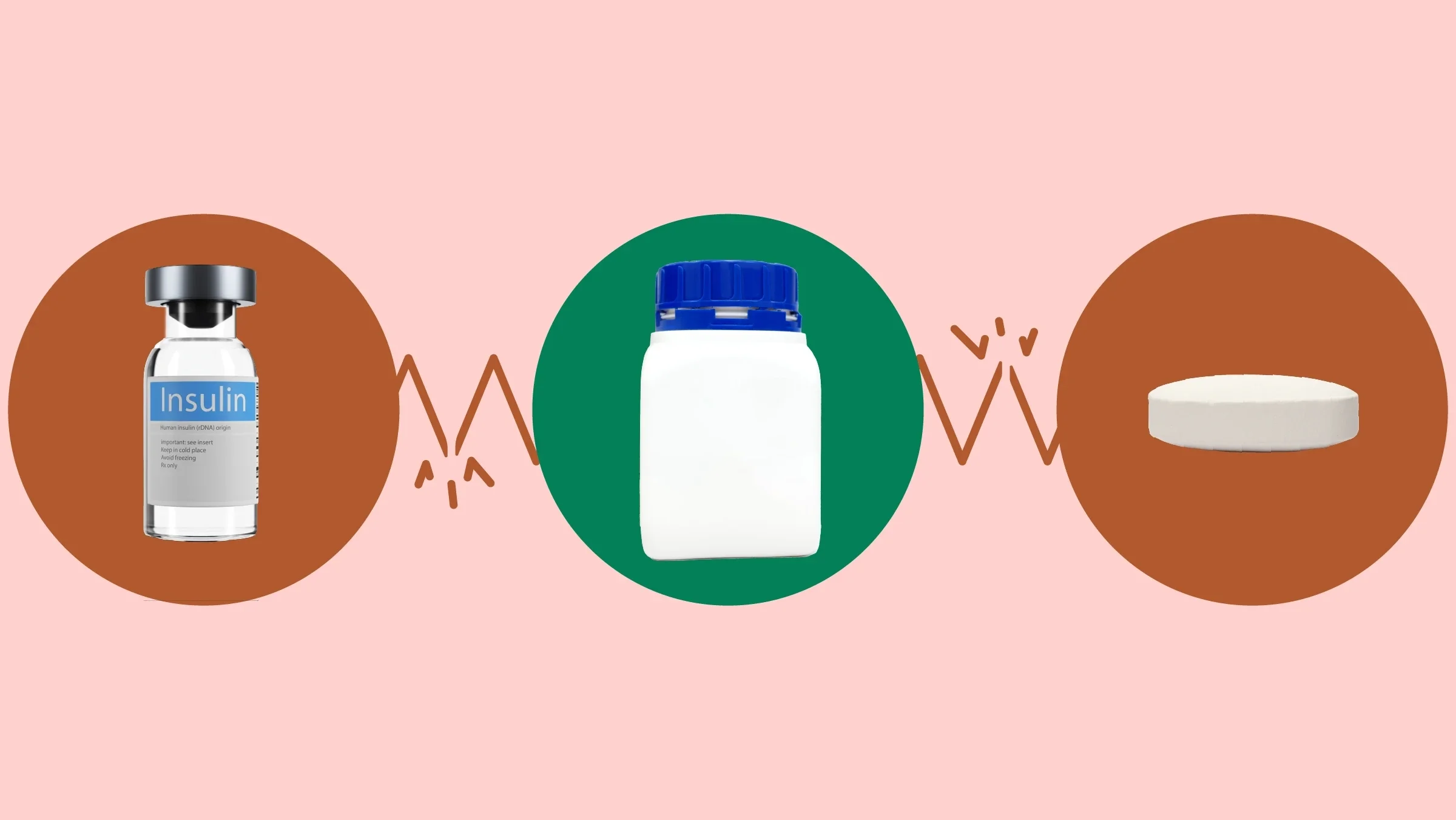
Rybelsus interacts with medications that lower blood glucose (sugar), such as insulin, sulfonylureas, and meglitinides. It may also affect the absorption of levothyroxine (Synthroid, Levoxyl) and other oral medications.
The best way to manage Rybelsus interactions is to prevent them upfront. Your healthcare team can help you check for interactions by reviewing your current medication list.
Save on related medications
Rybelsus is an oral medication used to treat Type 2 diabetes. It contains semaglutide, just like the injectable medication Ozempic. But unlike injectable semaglutide, your Rybelsus dose needs to be timed around meals and other medications due to interactions.
Some Rybelsus interactions can interfere with how well Rybelsus works. Others can increase the risk of side effects or change how you absorb other oral medications. Fortunately, you can navigate potential Rybelsus interactions with some careful planning. We cover seven of these interactions and how to manage them below.
1. Food and beverages
Rybelsus should be taken on an empty stomach. This is because food and beverages can interfere with how much Rybelsus you absorb. So it’s best to take Rybelsus first thing in the morning and wait at least 30 minutes before eating or drinking.
You can take Rybelsus with water, but not with coffee, juice, or any other beverage. Even the amount of water you drink with your dose matters. Limit this amount to no more than 4 oz (about one-half cup).
If your schedule makes it difficult to take Rybelsus in the morning, talk to your healthcare team. They can discuss your options, which may include taking Rybelsus at night in certain situations. Or, you may be able to switch to an injectable form of semaglutide (such as Ozempic), since you can inject your dose at any time of day.
Keep in mind that drinking alcohol while you’re taking Rybelsus can worsen its side effects, such as nausea and vomiting. What’s more, the combination can also increase your risk of low blood glucose (sugar), or hypoglycemia. So it’s best to avoid or limit alcohol while you’re taking Rybelsus.


2. Insulin
Insulin is used to treat diabetes. Similar to Rybelsus, it lowers blood sugar. When insulin is combined with Rybelsus, there’s an increased risk of hypoglycemia. Hypoglycemia happens if your blood sugar is less than 70 mg/dL. Symptoms include sweating, shakiness, and a fast heartbeat.
When taken by itself, Rybelsus has a low hypoglycemia risk. But it’s common to take Rybelsus with other diabetes medications, such as insulin, which can raise this risk. Your prescriber will design your medication regimen to help keep your blood sugar in a target range that’s not too low and not too high.
You don’t need to completely avoid combining insulin and Rybelsus, but your prescriber will plan your doses cautiously. This may include lowering your insulin dose. They may ask you to check your blood sugar at home more often to be sure it’s not getting too low. Tell them if you’re having frequent hypoglycemia episodes, since this could mean your dose is too high.
3. Sulfonylureas
Sulfonylureas are oral Type 2 diabetes medications that stimulate your pancreas to release more insulin. Examples include glipizide (Glucotrol), glimepiride (Amaryl), and glyburide (DiaBeta, Glynase). Similar to insulin, taking sulfonylureas with Rybelsus can raise your risk of hypoglycemia.
Your prescriber may lower your sulfonylurea dose when you start Rybelsus. This may be done as a precaution to help lower the risk of hypoglycemia. After that, they may adjust your dose after seeing how you respond to treatment. But you should tell them if you’re experiencing hypoglycemia episodes after starting Rybelsus.
4. Meglitinides
Meglitinides are a type of oral medication for Type 2 diabetes that work in a similar way to sulfonylureas. Examples include repaglinide and nateglinide (Starlix). Taking meglitinides with Rybelsus can also increase the risk of hypoglycemia.

Rybelsus side effects: Do you experience nausea after taking Rybelsus (semaglutide)? Learn about potential semaglutide side effects and how to manage them.
Ozempic vs. Rybelsus: Ozempic and Rybelsus both contain semaglutide, but one is an injection and the other is a pill. Here’s how Ozempic and Rybelsus compare.
Can you take Rybelsus at night? Get the facts on the best time to take Rybelsus, plus other tips for best results.
Similar to sulfonylureas, your prescriber may lower your meglitinide dose as a precaution when you start Rybelsus. If you’re having hypoglycemia episodes with this combination, it’s possible that your dose is still too high. They can make additional adjustments as necessary.
5. Levothyroxine
Levothyroxine (Synthroid, Levoxyl) is an oral medication for hypothyroidism (underactive thyroid). Similar to Rybelsus, it’s best to take levothyroxine first thing in the morning on an empty stomach. You should also separate it from other medications by at least 4 hours. But what happens if you’re taking levothyroxine and Rybelsus?
If you take Rybelsus and levothyroxine together in the morning, this may increase how much levothyroxine you absorb. That’s because Rybelsus can slow down how quickly your stomach empties. To manage this interaction, your prescriber may have you take Rybelsus in the morning and take levothyroxine at night — at least 3 hours after your evening meal.
Your prescriber may monitor your thyroid levels more closely and make any necessary medication adjustments.
6. Other oral medications
Rybelsus may also affect how you absorb other oral medications. This may be more concerning with medications that have a narrow therapeutic index. Examples include warfarin (Jantoven) and digoxin (Lanoxin). With these medications, small changes in your blood levels can have a big impact on safety and effectiveness.
However, studies haven’t found that Rybelsus significantly affects warfarin, digoxin, and several other medications. Even so, your prescriber may want to monitor your blood work more closely during treatment. Tell them if you notice any new or worsening side effects, which may be a sign of an interaction.
7. Beta blockers
Beta blockers, such as metoprolol (Toprol XL, Lopressor) and propranolol (Inderal LA), are used for high blood pressure and heart conditions. If you’re taking one with Rybelsus, there are a few important things to keep in mind:
Beta blockers can mask symptoms of hypoglycemia. This includes symptoms such as a fast heartbeat or shakiness. Sweating, which isn’t masked by beta blockers, can be an indicator that your blood sugar is too low.
They may raise blood sugar levels. Some beta blockers can make it harder to manage your blood sugar levels, potentially counteracting the effects of Rybelsus. Tell your prescriber if your readings are higher than usual with this combination.
They may be absorbed differently. As covered above, Rybelsus may affect how you absorb oral medications. This may include beta blockers. Let your healthcare team know if you notice changes in your blood pressure readings or side effects.
Frequently asked questions
No, you shouldn’t take Rybelsus with coffee or any other beverage besides plain water. Coffee and other drinks can interfere with how well your body absorbs the medication. It’s best to take Rybelsus first thing in the morning with no more than 4 oz of plain water. Wait at least 30 minutes before eating, drinking anything else, or taking other medications after your dose.
Rybelsus isn’t approved for weight loss. But during clinical trials, people with Type 2 diabetes taking the 14 mg dose lost about 5 lbs to 10 lbs, depending on treatment duration. Higher doses (25 mg, 50 mg) have also been studied, with weight loss of 15 lbs to 20 lbs after almost 16 months. These higher doses aren’t currently available, but they could be approved in the future.
It’s best to take Rybelsus first thing in the morning on an empty stomach, at least 30 minutes before eating, drinking, or taking other medications. Taking Rybelsus at night may affect how much medication you absorb. If you can’t take your dose in the morning, talk to your healthcare team about your options.
No, you shouldn’t take Rybelsus with coffee or any other beverage besides plain water. Coffee and other drinks can interfere with how well your body absorbs the medication. It’s best to take Rybelsus first thing in the morning with no more than 4 oz of plain water. Wait at least 30 minutes before eating, drinking anything else, or taking other medications after your dose.
Rybelsus isn’t approved for weight loss. But during clinical trials, people with Type 2 diabetes taking the 14 mg dose lost about 5 lbs to 10 lbs, depending on treatment duration. Higher doses (25 mg, 50 mg) have also been studied, with weight loss of 15 lbs to 20 lbs after almost 16 months. These higher doses aren’t currently available, but they could be approved in the future.
It’s best to take Rybelsus first thing in the morning on an empty stomach, at least 30 minutes before eating, drinking, or taking other medications. Taking Rybelsus at night may affect how much medication you absorb. If you can’t take your dose in the morning, talk to your healthcare team about your options.
The bottom line
Rybelsus (semaglutide) is an oral medication that treats Type 2 diabetes. Rybelsus interactions include medications that lower blood glucose (sugar), such as insulin, sulfonylureas, and meglitinides.
Rybelsus can also affect the absorption of oral medications. You may be told to take certain medications, such as levothyroxine (Synthroid, Levoxyl), at a different time of day while you’re taking Rybelsus. Others may require additional monitoring.
Your healthcare team will help you navigate how to safely take Rybelsus and lower the risk of problems from interactions.

Why trust our experts?



References
Aroda, V. R., et al. (2019). PIONEER 1: Randomized clinical trial of the efficacy and safety of oral semaglutide monotherapy in comparison with placebo in patients with Type 2 diabetes. Diabetes Care.
Hauge, C., et al. (2021). Effect of oral semaglutide on the pharmacokinetics of thyroxine after dosing of levothyroxine and the influence of co-administered tablets on the pharmacokinetics of oral semaglutide in healthy subjects: An open-label, one-sequence crossover, single-center, multiple-dose, two-part trial. Expert Opinion on Drug Metabolism & Toxicology.
Kurtzhals, P., et al. (2023). The role of weight control in the management of Type 2 diabetes mellitus: Perspectives on semaglutide. Diabetes Research and Clinical Practice.
Morales, J., et al. (2020). Practical guidance for use of oral semaglutide in primary care: A narrative review. Postgraduate Medicine.
Novo Nordisk. (2024). Rybelsus (semaglutide) tablets, for oral use [package insert].