

Narcan Dosages: Your GoodRx Guide
Narcan (naloxone) is a fast-acting medication that treats opioid overdose. Read about the typical Narcan dose and how to administer it safely in an emergency.
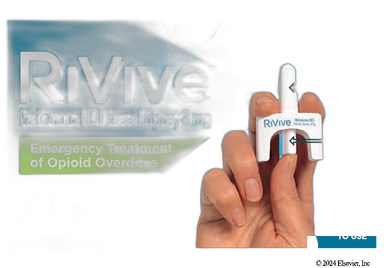
RiVive (naloxone) is a life-saving medication for emergency treatment of an opioid overdose. It works as an opioid antagonist to help reverse the effects of opioids. RiVive (naloxone) comes as a nasal spray that gives one dose. It can work as quickly as 2 to 3 minutes to help someone who's overdosed. But the effects only last 30 to 90 minutes. So, it's important to call for medical help right after using. When the person wakes up, they could have signs of opioid withdrawal like shaking, sweating, and nausea. You can get RiVive (naloxone) over-the-counter without a prescription.

RiVive (naloxone) is an opioid antagonist. It works by blocking opioid receptors in the brain. This blocks opioids from attaching to its receptor and causing dangerous effects. This includes slow breathing, extreme sleepiness, and loss of consciousness.
By blocking the effects of the opioid, RiVive (naloxone) can help someone who has overdosed. It can help wake them up and get their breathing back to normal.
| Common Brands | RiVive |
|---|---|
| Drug Class | Opioid antagonist |
| Controlled Substance Classification | Not a controlled medication |
| Generic Status | No lower-cost generic available |
| Availability | Over-the-counter |

The following side effects may get better over time as your body gets used to the medication. Let your healthcare provider know immediately if you continue to experience these symptoms or if they worsen over time.
Contact your healthcare provider immediately if you experience any of the following.
Side effects that you should report to your care team as soon as possible:
Side effects that usually do not require medical attention (report these to your care team if they continue or are bothersome):



How to give RiVive (naloxone):

RiVive (naloxone) can cause some serious health issues. This risk may be even higher for certain groups. If this worries you, talk to your doctor or pharmacist about other options.
Someone who has been given RiVive (naloxone) and has waken up might not feel well right after. These side effects can look like opioid withdrawal. This happens because the medication works to block the effects of opioids very quickly.
The person could feel shaky, nauseous, angry, or sweaty. They might also have body aches and a pounding heart and feel anxious or irritable.
Watch for these symptoms in someone who has just been given RiVive (naloxone). Tell the paramedics about these symptoms when they get there.
After you give it, RiVive (naloxone) helps reverse the effects of an opioid overdose. But the medication only works for 30 to 90 minutes. And, most opioids stay in the body for much longer than that. This means that the overdose effects can come back after RiVive (naloxone) wears off, even if the person got better at first.
That's why it's important to always call 911 when someone has an opioid overdose. After giving them RiVive (naloxone), make sure to stay with them until medical help gets there. Stay even if they look like they're getting better. You might need to give another dose of RiVive (naloxone) while you wait.

 Box
Box| Dosage | Quantity | Price as low as | Price per unit |
|---|---|---|---|
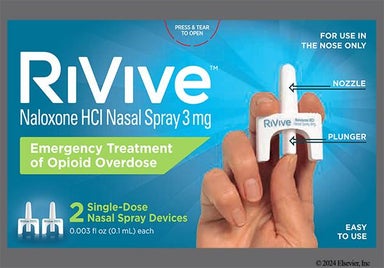
| two 3mg nasal sprays of | 1 box | $35.05 | $35.05 |




Prescription savings
Stop paying too much for your prescriptions. Compare prices, get pharmacy coupons, and save up to 80%. Find expert answers to your health questions so you can make the best decisions for yourself and your family.
Health conditions
Medications & treatment
Access & affordability
Medication discounts


Give someone Rivive right away if they show signs of an opioid overdose. The person could be very sleepy, passed out, or limp. They could have trouble breathing or stop breathing altogether. Other signs include small "pinpoint" pupils or bluish lips and fingertips. Also call 911 for medical help. Give Rivive even if you're not sure it's an opioid overdose. It won't hurt someone who isn't overdosing, but it can save a life if they are.
You can buy Rivive at your local pharmacy if they have it in stock. This medication is available over the counter without a prescription. Ask the pharmacist if you need help finding it in the pharmacy.
Rivive can work in 2 to 3 minutes after you give it to someone who has an opioid overdose. In that time, the medication can reverse the effects of opioids. It can help the person wake up and breathe normally again. But remember that one dose of Rivive sometimes isn't enough. If the person doesn't wake up or start breathing again after 2 to 3 minutes, give a spray in the other nostril using a new Rivive device. Keep giving a spray in one nostril every 2 to 3 minutes, if needed, until paramedics get there.
After you give Rivive, the medication helps reverse the effects of opioids for 30 to 90 minutes. But most opioids stay in the body longer than that. Because of this, overdose effects can come back after Rivive wears off. This can happen even if the person seemed to get better at first. That's why it's important to always call 911 and stay with the person until medical help gets there. You might need to give another dose of Rivive while you wait.
You can only use each Rivive nasal spray one time. But you can give Rivive as many times as you need to. One dose isn't always enough to stop an overdose. Give a dose of Rivive every 2 to 3 minutes until the person who has overdosed starts to wake up or breathe normally. For each dose, remember to use a new Rivive nasal spray.
Yes, the FDA has approved Rivive. It's the second FDA-approved naloxone nasal spray that you can buy without a prescription. It can help save someone from a dangerous opioid overdose.
RiVive and Narcan are both naloxone nasal sprays used for opioid overdoses. The main difference is how much naloxone is in each spray. RiVive has 3 mg of naloxone per spray, and Narcan has 4 mg. According to RiVive's manufacturer, 3 mg of naloxone can help restore breathing with a low risk of full-blown opioid withdrawal. Another difference is how they're available. Narcan is available as a brand-name and generic version, by prescription or over the counter. RiVive is a brand-name medication only and is sold over the counter. Talk to a healthcare professional to compare and see which is a better option for you.
