zidovudine
Zidovudine (Retrovir) is an HIV antiretroviral (ARV) used in combination with other HIV ARVs for the treatment of HIV and prevention of mother-to-child HIV transmission. It's not a first-choice option for most people due to side effects.


What is Zidovudine (Retrovir)?
What is Zidovudine (Retrovir) used for?
- HIV treatment
- Prevention of mother-to-child HIV transmission (PMTCT)
How Zidovudine (Retrovir) works
Zidovudine (Retrovir) is a nucleoside reverse transcriptase inhibitor (NRTI). It inserts itself into the virus's DNA by pretending to be a DNA building block, but actually stops the DNA-making process. When this happens, the HIV virus can't make copies of itself.
Drug facts
| Common Brands | Retrovir |
|---|---|
| Drug Class | HIV ARV |
| Controlled Substance Classification | Not a controlled medication |
| Generic Status | Lower-cost generic available |
| Availability | Prescription only |

Side effects of Zidovudine (Retrovir)
The following side effects may get better over time as your body gets used to the medication. Let your healthcare provider know immediately if you continue to experience these symptoms or if they worsen over time.
Common Side Effects
- Headache (63%)
- Fatigue and discomfort (53%)
- Nausea (51%)
- Anorexia (20%)
- Vomiting (17%)
Less Common Side Effects
- Weakness/lack of energy
- Constipation
The following Zidovudine (Retrovir) side effects have also been reported
Along with its needed effects, a medicine may cause some unwanted effects. Although not all of these side effects may occur, if they do occur they may need medical attention.
Check with your doctor immediately if any of the following side effects occur:
More common
Black, tarry stools
chills
feeling of fullness
lower back or side pain
painful or difficult urination
pale skin
right upper abdominal pain and fullness
stomach pain
swelling or inflammation of the mouth
swollen lymph nodes
ulcers, sores, or white spots in the mouth
unusual bleeding or bruising
unusual tiredness or weakness
Rare
Confusion
fast, shallow breathing
general feeling of discomfort
loss of appetite
mood or mental changes
muscle pain, tenderness, weakness, or cramping
seizures
sleepiness
stomach discomfort
Incidence not known
Back or leg pain
bleeding gums
blistering, peeling, or loosening of the skin
blood in the urine
blurred vision or other change in vision
bone pain
burning, crawling, itching, numbness, prickling, "pins and needles", or tingling feelings
clay-colored stools
dark urine
decreased appetite
decreased urine output
difficult or labored breathing
difficulty in moving
difficulty in swallowing
dilated neck veins
dizziness
extreme tiredness or weakness
fainting
fast, irregular, or pounding heartbeat
general body swelling
general tiredness and weakness
headache
high fever
hives, skin rash
hoarseness
increased need to urinate
indigestion
irregular breathing
irritation or soreness of the mouth
joint or muscle pain
lack of coordination
large, hive-like swelling on the face, eyelids, lips, tongue, throat, hands, legs, feet, or genitals
light-colored stools
muscle pain, cramp, spasm, or stiffness
nosebleeds
pains in the stomach, side, or abdomen, possibly radiating to the back
passing urine more often
puffiness or swelling of the eyelids or around the eyes, face, lips, or tongue
red skin lesions, often with a purple center
red, irritated eyes
redness, soreness, or itching skin
shakiness in the legs, arms, hands, or feet
shivering
sores, welts, or blisters
stabbing pain
sweating
swollen joints
swollen or painful glands
tightness in the chest
trouble sleeping
unexplained bleeding or bruising
unpleasant breath odor
vomiting
vomiting of blood
yellow eyes or skin
Some side effects may occur that usually do not need medical attention. These side effects may go away during treatment as your body adjusts to the medicine. Also, your health care professional may be able to tell you about ways to prevent or reduce some of these side effects. Check with your health care professional if any of the following side effects continue or are bothersome or if you have any questions about them:
More common
Difficulty having a bowel movement
headache (severe)
lack or loss of strength
muscle soreness
Less common
Bluish-brown colored bands on nails
changes in skin color
Other side effects not listed may also occur in some patients. If you notice any other effects, check with your healthcare professional.
Call your doctor for medical advice about side effects. You may report side effects to the FDA at 1-800-FDA-1088.

Get your GoodRx coupon

Pros and cons of Zidovudine (Retrovir)
Pros
- Passes through the placenta of pregnant women to protect the baby from HIV
- Safe and effective for children and infants
- Available as capsule, oral solution, and IV
- Available in many other HIV ARV combination tablets
- One of the most affordable generic HIV ARVs currently available
Cons
- Can cause serious blood, muscle, and liver problems
- Needs to be taken multiple times a day
- Dose needs to be adjusted for people with kidney problems
- Some people experience fat loss in their face, limbs, and butt
- Not a good HIV ARV option if you are going to be treated with ribavirin for hepatitis C

Pharmacist tips for Zidovudine (Retrovir)

- It's best to take this medication at the same time everyday. It can be taken with or without food.
- Have your labs drawn when your provider orders them. They will use your lab results to check if the medication is working and to see if you are having side effects.
- The oral solution should be stored at room temperature.
- For people with severe kidney problems, your dose will be lowered to 100 mg but you will need to take the medication more often, typically every 6 or 8 hours.
- Tell your healthcare providers about all the medications that you take. Zidovudine (Retrovir) doesn't interact with too many medications, but some of the potential interactions can have serious results.

Risks and warnings for Zidovudine (Retrovir)
Zidovudine (Retrovir) can cause some serious health issues. This risk may be even higher for certain groups. If this worries you, talk to your doctor or pharmacist about other options.
BLOOD AND BONE MARROW PROBLEMS
- Risk factors: Advanced HIV | Anemia | Neutropenia
 Zidovudine (Retrovir) can cause bone marrow problems, which can lead to anemia and affect your immune system. These effects are more serious when people already have some type of low blood count or advanced HIV. Your provider will draw blood tests regularly to check your blood count. If your numbers become too low, they may lower your dose or recommend switching to a different HIV ARV.
MUSCLE PAIN AND WEAKNESS
- Risk factors: Extended use of zidovudine (Retrovir)
Taking zidovudine (Retrovir) for a long time can lead to muscle pain or weakness. Talk to your provider right away if you have unexplained fatigue and muscle pain or weakness all over your body.
LIVER PROBLEMS
- Risk factors: Liver disease | Women | Obesity
Although rare, NRTIs including zidovudine (Retrovir) can cause a life-threatening liver problem called lactic acidosis with hepatic steatosis. Most of the cases have been in women. Symptoms include appetite loss, stomach pain, muscle pain, fast and shallow breathing, extreme tiredness, and sudden weakness. Stop taking zidovudine (Retrovir) and go to the emergency room right away if this happens.
IMMUNE RECONSTITUTION SYNDROME
- Risk factors: Weakened immune system | Current untreated infection
HIV attacks your immune system. Over time, if the virus isn't treated your body may become defenseless against bacterial and fungal infections. Your HIV medications are very good at killing the virus, and when the number of viruses goes down, your immune system starts making more cells. Once your immune system gets better, it will start to fight off any infections you might have, which can lead to a lot of inflammation. Even though it's a good thing that your immune system is getting better, too much inflammation can be bad. Your healthcare provider might check for underlying infections (sometimes called opportunistic infections) before starting zidovudine (Retrovir) especially if it is your first time taking HIV medications. Call your provider if you experience fever, difficulty breathing, or sudden changes to your health after starting zidovudine (Retrovir).
FAT REDISTRIBUTION
- Risk factors: Taking HIV ARVs
Some people taking HIV ARVs, including zidovudine (Retrovir) have noticed changes to the way fat is located in the body. This might be more fat in the abdomen and upper back, and less fat in the face, arms, legs, and buttocks. Scientists and health care providers don't really know why this happens. Switching to a different HIV ARV can help, even if the change isn't 100% reversible.

Zidovudine (Retrovir) dosage


Interactions between Zidovudine (Retrovir) and other drugs
Although certain medicines should not be used together at all, in other cases two different medicines may be used together even if an interaction might occur. In these cases, your doctor may want to change the dose, or other precautions may be necessary. When you are taking this medicine, it is especially important that your healthcare professional know if you are taking any of the medicines listed below. The following interactions have been selected on the basis of their potential significance and are not necessarily all-inclusive.
Using this medicine with any of the following medicines is usually not recommended, but may be required in some cases. If both medicines are prescribed together, your doctor may change the dose or how often you use one or both of the medicines.
- Cabotegravir
- Clarithromycin
- Dapsone
- Doxorubicin
- Doxorubicin Hydrochloride Liposome
- Flucytosine
- Horsetail
- Orlistat
- Pexidartinib
- Pyrazinamide
- Pyrimethamine
- Ribavirin
- Stavudine
- Vinblastine
- Vincristine
- Vincristine Sulfate Liposome
Using this medicine with any of the following medicines may cause an increased risk of certain side effects, but using both drugs may be the best treatment for you. If both medicines are prescribed together, your doctor may change the dose or how often you use one or both of the medicines.
- Acetaminophen
- Fluconazole
- Interferon Beta-1a
- Methadone
- Nelfinavir
- Probenecid
- Rifabutin
- Rifampin
- Rifapentine
- Tipranavir
- Valproic Acid

How much does Zidovudine (Retrovir) cost?

What are alternatives to Zidovudine (Retrovir)?

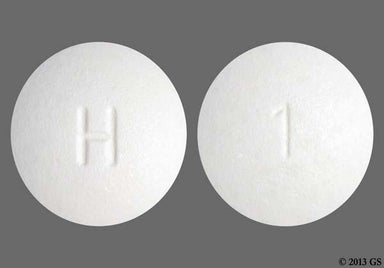
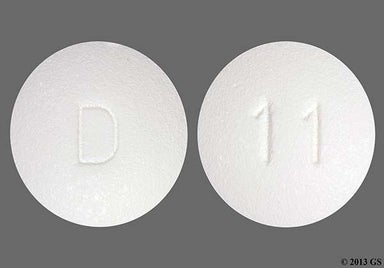
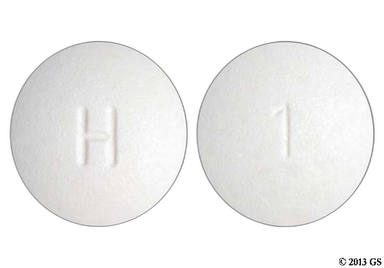
Zidovudine (Retrovir) images