Key takeaways:
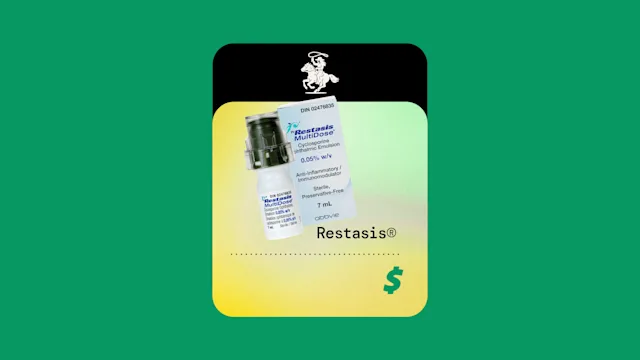
Restasis (cyclosporine) is an eye drop that treats chronic dry eye by increasing your natural tear production. It’s only available with a prescription.
Restasis takes longer to work than lubricating eye drops you can find over the counter. Most people see improved tear production after using Restasis for about 6 months. But some people might notice effects within 1 month after starting.
Restasis is available as a brand-name and generic medication. GoodRx can help you navigate savings opportunities and discounts to help you get the best price on your prescription.
Save on related medications
Restasis (cyclosporine) is a prescription-only eye drop that’s FDA approved to treat chronic dry eye. It can be especially helpful if your dry eye is being caused by inflammation (swelling) that interferes with your tear ducts. This eye drop is one of several treatment options available for the condition.
If you’ve never tried Restasis before, it’s common to have questions about the medication. For instance, you may want to know how long it takes for Restasis to work. Always follow any guidance from your prescriber. They may have recommendations that are specific to your unique situation. But below are some common questions and tips to help you get the most out of your medication.
Good to know: Other prescription eye drops also contain the active ingredient cyclosporine but at a stronger dose per drop than Restasis. Cequa and Verkazia are two examples. In this article, we focus on Restasis and its generic, which both contain cyclosporine 0.05%.
1. How long does it take for Restasis to work?
In clinical trials, it took about 6 months for people using Restasis to see significant dry eye improvement. But other studies have found that some people — particularly those with milder symptoms — may notice some relief within a month.
Below is a timeline of how long it takes Restasis to start working:
Weeks: Some people, especially those with milder symptoms, may experience some relief within the first month of regular use.
Months: Restasis should start working during the first few months of use. It may take up to 6 months to feel the medication’s full effects.
Long-term use: Restasis should continue working as long as you use it. Stopping the medication can cause dry eye symptoms to return or worsen.
Restasis takes quite a bit longer to start working than over-the-counter (OTC) lubricating eye drops, which may start working within minutes and provide full effects within about 1 month of regular use. This is because Restasis helps increase your natural tear production. It doesn’t just moisten your eyes when you apply it. Because it could take a few months for you to feel relief, your prescriber may suggest using OTC eye drops until Restasis starts working.
2. How does Restasis work for dry eyes?
Experts believe Restasis lowers inflammation in the eyes, allowing them to produce more natural tears and stay moistened. It targets a cause of chronic dry eye. This should help lessen symptoms over time.
Restasis works differently from OTC lubricating drops (also called artificial tears). Lubricating eye drops are intended to temporarily moisten the eye by providing fluid that is similar to your tears. But unlike Restasis, they don’t treat the cause of the condition. OTC lubricating drops only work for a short time after you apply them.
3. How long does Restasis stay in your system?
Restasis isn’t absorbed into the bloodstream. So it never actually enters “your system.” Since Restasis is administered as an eye drop, its effects are limited to the area in and around your eyes. This helps lower the risk of side effects and interactions. But Restasis lasts in the eyes for about 12 hours. That’s why the usual Restasis dosage is one drop in each eye every 12 hours.
4. Can you use Restasis with other eye drops?
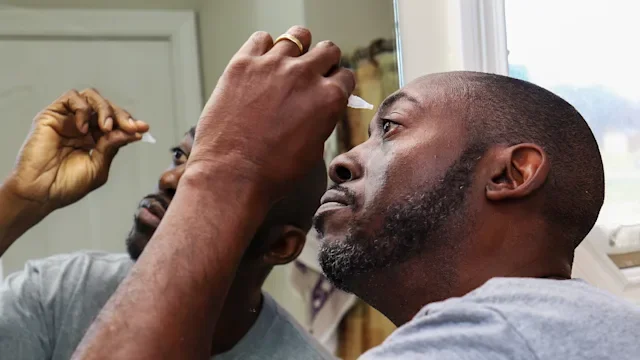
According to the manufacturer, you can use Restasis while using lubricant eye drops. You should separate your doses of each product by at least 15 minutes.
There aren’t specific instructions from the manufacturer about using Restasis if you use other types of eye drops (not lubricant drops). Generally speaking, using multiple eye drops isn’t a problem, as long as you space them out sufficiently. But it’s best to double-check with your eye specialist on how long to wait between drops.
Good to know: It isn’t recommended to use Restasis while wearing contact lenses. They should be removed before applying your dose. You can put your contacts back in at least 15 minutes after administering your Restasis dose.
5. When can you rinse your eyes after using Restasis eye drops?
You should wait at least 15 minutes after using Restasis to rinse your eyes. This gives your eyes enough time to absorb the medication from the drop. But, unless your prescriber tells you otherwise, you don’t need to rinse your eyes after using Restasis.
6. What if you miss a dose of Restasis?
It can be easy to forget a dose of Restasis, especially since the doses should be spaced about 12 hours apart. If you miss a dose of Restasis, instill the dose in your eye(s) as soon as you remember. But if it’s close to the time when you’d use your next scheduled dose, skip the missed dose and resume your normal schedule. Avoid administering a double or extra dose.
If you find you’re forgetting doses often, there are plenty of tips and tools available to help you remember your medication. Setting an alarm or using a medication reminder app on your smartphone are two examples.
7. Will the burn from Restasis eye drops go away?
Temporary burning or stinging in the eyes are common Restasis side effects. This discomfort should be mild and typically happens right after applying your drops. It should only last for a few minutes and resolve on its own.
If you have eye burning that is severe or persistent, tell your eye specialist. There may be another cause for this symptom.
8. How many times can you use a vial of Restasis?
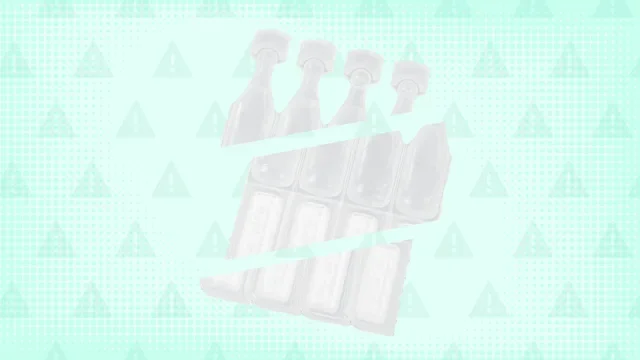
You should only use Restasis vials for a single dose. After placing 1 drop in each eye, throw the vial away in your normal trash. It’s normal to see extra liquid in the vial after applying your drops. But don’t try to save this leftover liquid.
Restasis vials are preservative-free. Preservatives help prevent bacteria and other germs from growing inside open eye drop containers. Using Restasis vials that have been left open can raise your risk of eye infections.
On the other hand, Restasis MultiDose is a version of the medication that’s meant to be used for more than one dose. One bottle of Restasis MultiDose should last for about 30 days.
9. Does Restasis work for Sjögren’s disease?
There are currently no medications that are FDA approved to treat eye symptoms caused by Sjögren’s disease. But a healthcare professional may prescribe Restasis off-label for it. Restasis is one of several medications that can help manage dry eye caused by Sjögren’s disease. Since the condition can affect your whole body, you may need other medications that help manage other symptoms.
10. Does Restasis affect your kidneys?
No, Restasis shouldn’t affect your kidneys. The cyclosporine in Restasis doesn’t reach your bloodstream. So its effects are limited to the area in and around your eyes.
Kidney damage, however, is a possible side effect of oral cyclosporine. When you take the medication by mouth, higher amounts of it reach your bloodstream. It can then impact your whole body, including the kidneys.
11. Do you have to stay on Restasis forever?
If Restasis is working well for you, your prescriber will likely suggest you continue using it over time. Chronic dry eye is a long-term condition. And Restasis only works as long as you’re using it. If you stop using it, your symptoms will likely return.
If you want to stop using Restasis, talk to your prescriber first. They may suggest trying a different dry eye medication, such as Xiidra (lifitegrast).
How to save on Restasis
Restasis and Restasis MultiDose are available as brand-name medications. But you can also find the single-use vials as a lower-cost generic. GoodRx can help you save on the average retail price of the brand and generic versions of Restasis.
The price of generic Restasis at certain pharmacies is as low as $56.23 for a 1-month supply with a free GoodRx discount.
There are also ways to save on brand-name Restasis and Restasis MultiDose:
Save with a copay savings card. If you have commercial insurance, you may be eligible for a savings card from the manufacturer that could lower your prescription cost to $0 for up to a 90-day supply.
Save with patient assistance programs. If you’re uninsured or underinsured or have government insurance, you may be eligible to get Restasis at no cost through the manufacturer’s patient assistance program.
The bottom line
Restasis (cyclosporine) is a prescription-only eye drop that treats chronic dry eye. It can take up to 6 months for it to work. But some people may start feeling relief within a month of starting it. Each dose lasts for about 12 hours. You can use Restasis while using lubricant eye drops. But it’s important to separate the use of either product by at least 15 minutes. Take out your contacts before applying Restasis, too.
If you have specific questions about using Restasis, check with your eye specialist. They can answer your questions and help you get the most out of your medication.

Why trust our experts?




References
Allergan. (2025). Restasis multidose- cyclosporine emulsion [package insert]. DailyMed.
de Oliveira, R. C., et al. (2019). Practical guidance for the use of cyclosporine ophthalmic solutions in the management of dry eye disease. Clinical Ophthalmology.
Deveney, T., et al. (2018). Patient and physician perspectives on the use of cyclosporine ophthalmic emulsion 0.05% for the management of chronic dry eye. Clinical Ophthalmology.
Gudgel, D. T. (2023). How to put in eye drops. American Academy of Ophthalmology.
Kaufman, A. R., et al. (2025). Preservatives in topical ophthalmic medications. American Academy of Ophthalmology.
LuÍs, M. E., et al. (2025). Cyclosporine. American Academy of Ophthalmology.
MedlinePlus. (2024). Cyclosporine ophthalmic.
Pagan-Duran, B. (2022). Lubricating eye drops for dry eyes. American Academy of Ophthalmology.
Prescribers’ Digital Reference. (n.d.). Sandimmune.
Semp, D. A., et al. (2023). Artificial tears: A systematic review. Clinical Optometry.
Thomas, D. (n.d.). Treatments for Sjögren’s disease. Sjögren’s Foundation.
Upsher-Smith Laboratories. (2026). Cyclosporine emulsion [package insert]. DailyMed.