




What Are the Best Migraine Treatments and Remedies?
From prescription medications to better sleep, finding the right migraine treatment can be hard. Learn the stages of a migraine and the best options for relief.
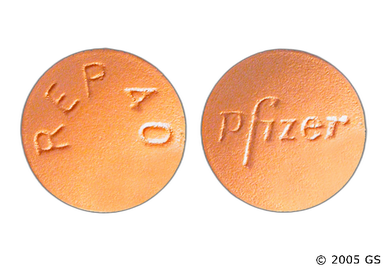
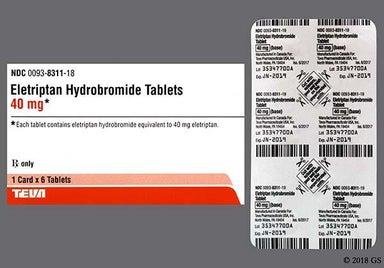
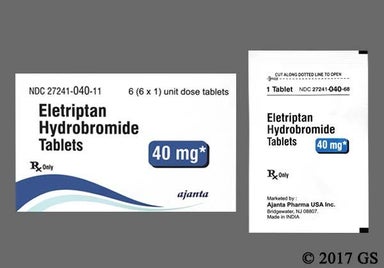
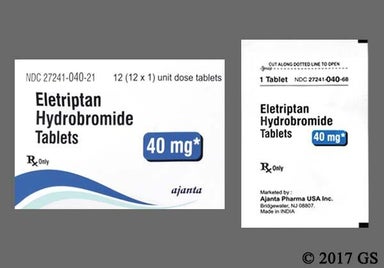
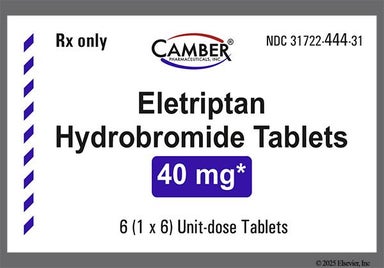
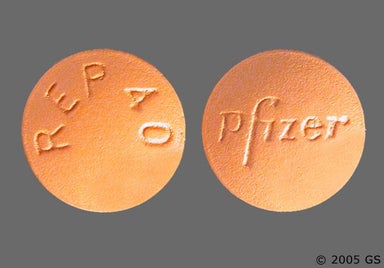
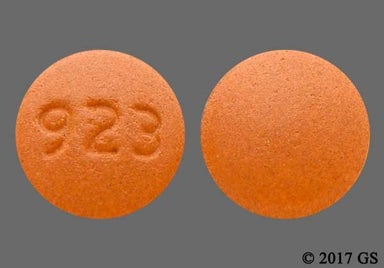
Eletriptan, also known by its brand name Relpax, is a triptan that's a first-choice treatment option for adults who have migraine attacks with or without aura. This medication is available as a tablet that's taken by mouth at the first sign of a migraine attack. The dosage can be repeated 2 hours later if the migraine comes back or doesn't go away. Side effects include making you sleepy and dizzy. Eletriptan (Relpax) is available as a lower-cost generic.

Eletriptan (Relpax) is a triptan. It relieves migraines by attaching to serotonin receptors in your brain. Serotonin is a chemical in the body that's thought to play a role in causing migraines.
When eletriptan (Relpax) attaches to the serotonin receptors in the brain, it tightens the blood vessels there and lessens blood vessel swelling that can cause migraine pain. The medication also interrupts other pain signals from your nerves, which helps further relieve migraine pain.
| Common Brands | Relpax |
|---|---|
| Drug Class | Triptan |
| Controlled Substance Classification | Not a controlled medication |
| Generic Status | Lower-cost generic available |
| Availability | Prescription only |

The following side effects may get better over time as your body gets used to the medication. Let your healthcare provider know immediately if you continue to experience these symptoms or if they worsen over time.
Contact your healthcare provider immediately if you experience any of the following.
Along with its needed effects, a medicine may cause some unwanted effects. Although not all of these side effects may occur, if they do occur they may need medical attention.
Check with your doctor immediately if any of the following side effects occur:
Rare
Chest discomfort
dizziness
headache
nosebleeds
numbness or tingling in the face, arms or legs
pain or discomfort in the arms, jaw, back or neck
sweating
vision problems
vomiting
Incidence not known
Abdominal or stomach pain
agitation
bloody diarrhea
confusion
difficulty in speaking
fainting
fast, slow, pounding, or irregular heartbeat or pulse
inability to move arms, legs, or facial muscles
overactive reflexes
pain in the arms legs, or lower back, especially pain in calves or heels upon exertion
pale, bluish-colored, or cold hands or feet
paleness or cold feeling in fingertips and toes
poor coordination
puffiness or swelling of the eyelids or around the eyes, face, lips, or tongue
restlessness
seizures
severe or sudden headache
shivering
slurred speech
sudden loss of coordination
sweating
talking or acting with excitement you cannot control
tingling or pain in the fingers or toes when exposed to cold
trembling or shaking
twitching
unusual tiredness or weakness
weak or absent pulses in the legs
weakness in the arm or leg on one side of the body, sudden and severe
Some side effects may occur that usually do not need medical attention. These side effects may go away during treatment as your body adjusts to the medicine. Also, your health care professional may be able to tell you about ways to prevent or reduce some of these side effects. Check with your health care professional if any of the following side effects continue or are bothersome or if you have any questions about them:
More common
Lack or loss of strength
sleepiness or unusual drowsiness
Other side effects not listed may also occur in some patients. If you notice any other effects, check with your healthcare professional.
Call your doctor for medical advice about side effects. You may report side effects to the FDA at 1-800-FDA-1088.




Eletriptan (Relpax) can cause some serious health issues. This risk may be even higher for certain groups. If this worries you, talk to your doctor or pharmacist about other options.
Although rare, some people have reported serious and sometimes life-threatening heart problems, such as heart attack and heart rhythm problems, within a few hours after they took eletriptan (Relpax). In addition, eletriptan (Relpax) might raise your blood pressure to dangerously high levels.
If you have a history of heart or blood circulation problems, talk to your cardiologist or primary care provider first to make sure eletriptan (Relpax) is as safe for you as possible. Depending on your medical history, you might not be able to take eletriptan (Relpax).
Periodically check your blood pressure if you're taking eletriptan (Relpax). Let your healthcare team know if your blood pressure is higher than usual. Get emergency help right away if you experience a heart attack, severe headache, chest pain, or irregular heartbeat.
Some people who've taken triptans like eletriptan (Relpax) have had life-threatening strokes or bleeding in the brain. For this reason, you won't be able to take this medication if you've had a stroke in the past. Let your primary care provider know about your medical history.
Symptoms of stroke or other brain injuries include sudden weakness on one side of the body, severe headaches, drooping face, trouble breathing, or changes in your speech or vision. These symptoms can be similar to migraine symptoms, so strokes can be mistaken for a migraine. Stop taking eletriptan (Relpax) and get medical help as soon as possible if you notice symptoms of a stroke, especially if you haven't had a migraine before.
Eletriptan (Relpax) can cause extreme narrowing of the blood vessels in different parts of your body. Depending on the location, this can lead to serious stomach problems (e.g., stomach pain, bloody diarrhea), vision problems, and changes in sensation in your hands and feet. Sometimes, it can cause symptoms similar to Raynaud's phenomenon, which can look like color changes in your hands and feet (can turn pale or more reddish depending on how much blood is flowing through). Don't take any more eletriptan (Relpax) until you see a member of your healthcare team if you notice these symptoms after you take the medication. They can check out what's going on.
Taking more than the recommended dose of migraine medications, including eletriptan (Relpax), or taking them too often can cause them to not work as well. This can lead to having more migraine-like headaches or having migraine attacks more often. Let your primary care provider know if you're taking multiple migraine medications and if you need to take them for more than 9 days per month. Also, let them know if you have more than 3 migraine headaches a month while you're taking eletriptan (Relpax). Your primary care provider can talk with you about better options to help with migraines.
Some people who take eletriptan (Relpax) have developed a rare, but potentially life-threatening condition called serotonin syndrome. This condition happens when there's too much serotonin in the brain.
Let your healthcare team know about all the medications you take before you start eletriptan (Relpax), as well as any medications you plan to take. Your risk for serotonin syndrome can be higher if you take eletriptan (Relpax) with other medications that can raise your serotonin levels, such as certain antidepressants, mental health medications, and other migraine medications.
Get medical help right away if you notice any symptoms of serotonin syndrome, such as fast heart rate, sweating, muscle stiffness or spasms, fever, and confusion.


Although certain medicines should not be used together at all, in other cases two different medicines may be used together even if an interaction might occur. In these cases, your doctor may want to change the dose, or other precautions may be necessary. When you are taking this medicine, it is especially important that your healthcare professional know if you are taking any of the medicines listed below. The following interactions have been selected on the basis of their potential significance and are not necessarily all-inclusive.
Using this medicine with any of the following medicines is not recommended. Your doctor may decide not to treat you with this medication or change some of the other medicines you take.
Using this medicine with any of the following medicines is usually not recommended, but may be required in some cases. If both medicines are prescribed together, your doctor may change the dose or how often you use one or both of the medicines.


Contraindications are specific health conditions or situations in which a person should not take a medication due to safety concerns. If you have any of the following conditions or if any of the following apply to you, let your healthcare provider know because Eletriptan (Relpax) will not be safe for you to take.








Prescription savings
Stop paying too much for your prescriptions. Compare prices, get pharmacy coupons, and save up to 80%. Find expert answers to your health questions so you can make the best decisions for yourself and your family.
Health conditions
Medications & treatment
Access & affordability
 Our monthly healthcare membership can help you save thousands on your prescription costs.
Resources

Relpax starts to provide migraine pain relief after about 30 minutes. But it can take up to 2 hours for you to be completely pain free.
It's generally considered safe to take acetaminophen (Tylenol) or nonsteroidal anti-inflammatory drugs (NSAIDs) like ibuprofen (Advil) with Relpax. These pain relievers don't interact with Relpax. Taking Relpax with acetaminophen (Tylenol) or ibuprofen (Advil) can potentially work better to relieve migraines than taking any of these medications alone. But keep in mind that these other pain relievers might not be safe for everyone because they have their own risks (e.g., liver risks, heart risks, kidney problems). Before you use other pain medications with Relpax, speak with your primary care provider to make sure it's safe for you to do so.
You can take up to two doses of Relpax within a 24-hour period to help treat a migraine. Make sure to take the second dose at least 2 hours after the first if you need more migraine relief. Also, only take Relpax for up to three migraines in a 30-day period; it's not known how safe it is to take the medication too many times. Speak with your prescriber about other treatment options to help if you still have a migraine after you've taken two doses of Relpax in a day or if you've already used the medication for three migraines in a month.
No, you can't cut the Relpax tablets in half (or at all) because they don't have a score line (an indented line in the middle of the tablet). Trying to cut a non-scored tablet can be unsafe. It can also be difficult to evenly cut, even if you're using a pill splitter, which can cause you to take the wrong dose. Talk to your prescriber if you're having trouble swallowing Relpax.
Eletriptan and sumatriptan are both triptans. Triptans are a class of medications that are first-choice treatment options for migraine. Both medications are taken at the first sign of a migraine. But eletriptan only comes as tablets, whereas sumatriptan comes in many different formulations (e.g, tablets, injection under the skin, nasal spray, nasal powder). Studies show that eletriptan might provide more migraine relief than sumatriptan within two hours of taking the medication. Studies also found that an eletriptan dose might relieve migraine pain for a longer period of time than a sumatriptan dose. Talk to your care team if you have more questions about comparing eletriptan to sumatriptan.
Alcohol doesn't appear to interact with Relpax or affect how the medication works. But it's still best to avoid alcohol while you're taking Relpax because alcohol can raise your risk for or worsen side effects from the medication, such as sleepiness, dizziness, and nausea. Alcohol can also trigger migraines. Talk to a member of your care team if it's not possible for you to avoid alcohol. They can provide resources or recommend certain treatment programs to help you quit drinking alcohol.
Speak with your prescriber or obstetrician-gynecologist (OB-GYN) if you can take Relpax while pregnant. It isn't completely clear how safe Relpax is during pregnancy. To be safe, it's best to always discuss the risks and benefits of taking Relpax during pregnancy with your prescriber or OB-GYN.
No. Although Relpax is a medication that helps with pain (specifically related to migraines), it isn't a narcotic. Narcotics refer to opioid or opiate pain medications. And Relpax isn't an opioid medication.
