




Best Psoriasis Medications When Creams Aren’t Working
Learn more about medications for psoriasis, including the different types available, how they work, and their potential side effects.
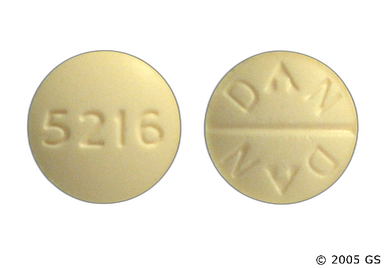
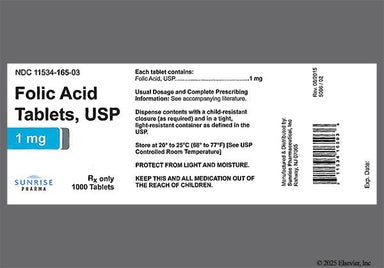
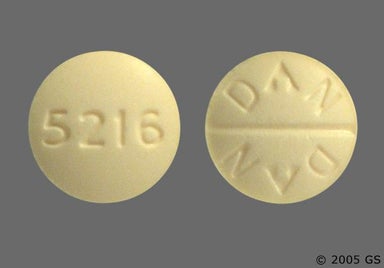
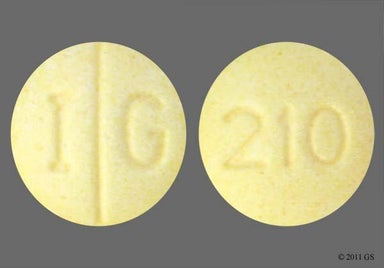
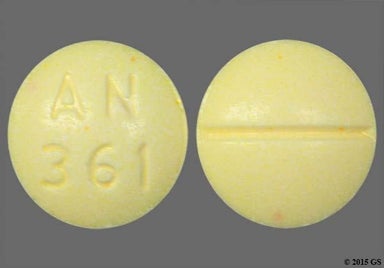
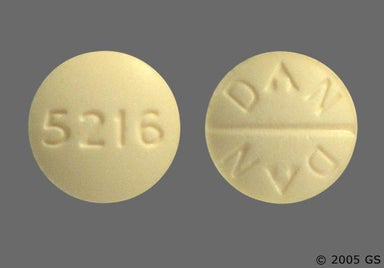
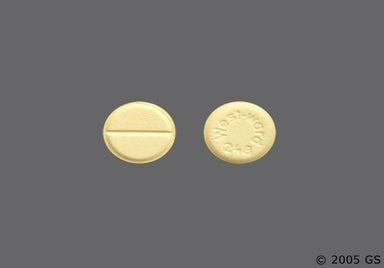
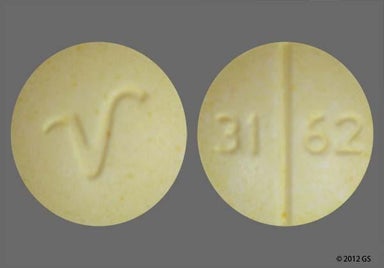
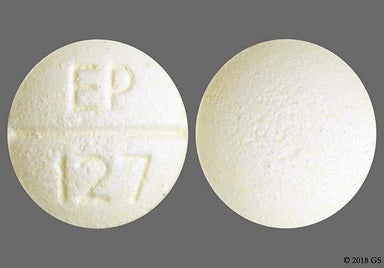
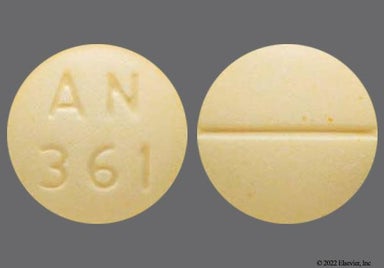
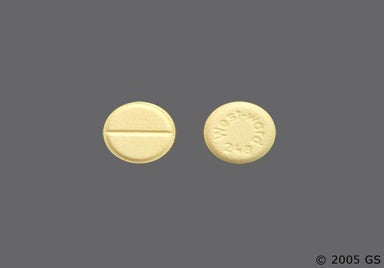
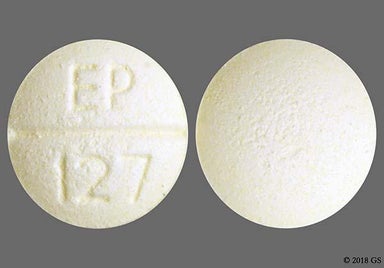
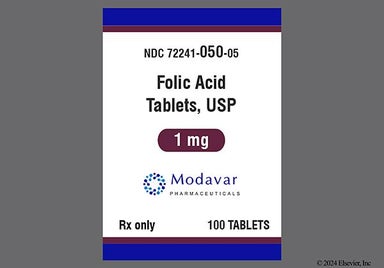
Folic acid is a form of folate, also known as vitamin B9. It's a dietary supplement used to treat certain types of anemia caused by low levels of folic acid. It can also treat anemia caused by an increased need for folic acid, such as during pregnancy, infancy, and childhood. It's most commonly available as a tablet taken by mouth once a day. Side effects are rare at recommended doses, but taking too much can be harmful.

Folic acid is vitamin B9, a type of dietary supplement that your body needs for many important functions. It helps your body make new cells, including healthy red blood cells, which can help treat certain types of anemia.
| Common Brands | Folvite, Quiofic |
|---|---|
| Drug Class | Dietary supplement |
| Controlled Substance Classification | Not a controlled medication |
| Generic Status | Lower-cost generic available |
| Availability | Prescription or over-the-counter |

The following side effects may get better over time as your body gets used to the medication. Let your healthcare provider know immediately if you continue to experience these symptoms or if they worsen over time.
Signs of having too much folic acid:
Contact your healthcare provider immediately if you experience any of the following.
Along with its needed effects, a medicine may cause some unwanted effects. Although not all of these side effects may occur, if they do occur they may need medical attention.
Check with your doctor as soon as possible if any of the following side effects occur:
Rare
general weakness or discomfort
reddened skin
shortness of breath
skin rash or itching
tightness in chest
troubled breathing
Other side effects not listed may also occur in some patients. If you notice any other effects, check with your healthcare professional.
Call your doctor for medical advice about side effects. You may report side effects to the FDA at 1-800-FDA-1088.



Tips for Quiofic (folic acid) solution

Folic acid can cause some serious health issues. This risk may be even higher for certain groups. If this worries you, talk to your doctor or pharmacist about other options.
Taking folic acid can sometimes hide anemia caused by low vitamin B12 levels. It can improve your red blood cell count without treating the vitamin B12 deficiency itself. This can make the deficiency harder to detect while nerve damage continues. Over time, untreated vitamin B12 deficiency can cause serious or permanent nerve problems.
Your care team might check your vitamin B12 levels with a blood test before you start folic acid to make sure any vitamin deficiencies are treated properly.

 Bottle of oral solution
| Dosage | Quantity | Price as low as | Price per unit |
|---|---|---|---|
| 75ml of 0.2mg/ml | 1 bottle | $949.93 | $949.93 |

Although certain medicines should not be used together at all, in other cases two different medicines may be used together even if an interaction might occur. In these cases, your doctor may want to change the dose, or other precautions may be necessary. When you are receiving this dietary supplement, it is especially important that your healthcare professional know if you are taking any of the medicines listed below. The following interactions have been selected on the basis of their potential significance and are not necessarily all-inclusive.
Using this dietary supplement with any of the following medicines may cause an increased risk of certain side effects, but using both drugs may be the best treatment for you. If both medicines are prescribed together, your doctor may change the dose or how often you use one or both of the medicines.












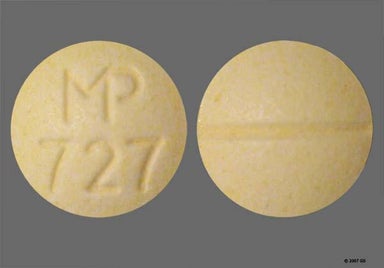
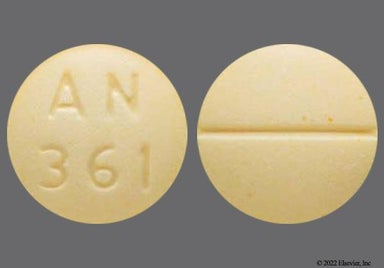
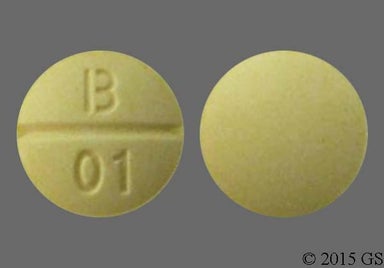
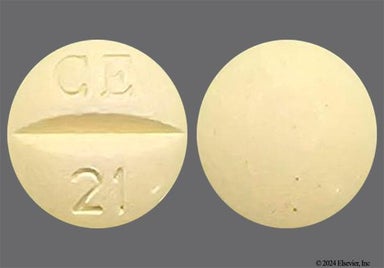
Prescription savings
Stop paying too much for your prescriptions. Compare prices, get pharmacy coupons, and save up to 80%. Find expert answers to your health questions so you can make the best decisions for yourself and your family.
Health conditions
Medications & treatment
Access & affordability
Medication discounts

Folate and Folic Acid are both forms of vitamin B9, but they aren't exactly the same. Folate is a general term for vitamin B9 and includes forms naturally found in foods, such as leafy green vegetables and beans. Folic acid is a form of vitamin B9 commonly added to fortified foods and used in supplements and medications. Your body uses both forms to make new cells, including healthy red blood cells.
Folic Acid is an important vitamin with many benefits for the body. While most people can get enough from their diet, some people need extra Folic Acid. This includes people with anemia caused by low folic acid levels and people who are pregnant or planning to become pregnant, since folic acid helps prevent certain birth defects. Talk to your prescriber if you're not sure whether you need to take this supplement.
The amount of Folic Acid recommended during pregnancy typically ranges from 0.4 mg to 0.8 mg per day to help prevent certain birth defects. Many prenatal vitamins already contain Folic Acid, so you might not need a separate supplement. Check with your OB-GYN before taking extra Folic Acid to make sure you're getting the right amount.
Folate is a general term for different forms of vitamin B9. But Folic Acid is the only form proven to help prevent neural tube defects during pregnancy. If you're considering a supplement labeled as "folate," talk to your OB-GYN or pharmacist to make sure it contains the right form and amount for you and your baby.
Yes, taking too much Folic Acid can be harmful. High doses can hide signs of vitamin B12 deficiency, which can lead to permanent nerve damage if left untreated. Although more research is needed, high amounts of Folic Acid might also increase the risk of certain cancers. Don't take more than your prescriber recommends.
You don't need to avoid any specific foods while taking Folic Acid. You can take it with or without food and continue eating your usual diet. In fact, foods naturally high in folate, such as leafy green vegetables, beans, citrus fruits, and fortified grains, can help you get enough vitamin B9. If you're taking Folic Acid for a medical condition, follow any specific diet instructions from your prescriber.
It's not clear whether Folic Acid can help with hair loss. [EDITOR|DRUG_DISPLAY_NAME|||title]] supports healthy cell growth, including cells in your hair follicles, so having low levels might contribute to hair loss. But research hasn't shown that taking extra Folic Acid improves hair growth if your levels are already normal. If you're experiencing hair loss, talk to your prescriber about the possible cause and treatment options.
There isn't a specific time of day that's best to take Folic Acid. You can take it whenever it's most convenient for you. Try to take it around the same time each day to help you remember your dose.
