Key takeaways:
Qelbree (viloxazine) is a prescription medication that’s FDA approved to treat attention-deficit hyperactivity disorder (ADHD) in adults and children ages 6 and older. It’s not a stimulant.
The recommended starting Qelbree dosage is 200 mg once daily for people ages 12 and older and 100 mg once daily for kids ages 6 to 11. Your dose may be adjusted over time, but the maximum allowed dose depends on your age.
A healthcare professional may need to adjust your Qelbree dose if you have a kidney condition or are taking a medication that interacts with Qelbree.
There are ways to save on Qelbree. If you’re eligible, a manufacturer savings card can help you get Qelbree for as little as $20 per fill. GoodRx savings are also available.
Save on related medications
Qelbree (viloxazine) is a once-daily medication that’s FDA approved to treat attention-deficit hyperactivity disorder (ADHD) in adults and children ages 6 and older. It’s part of a medication class called selective norepinephrine reuptake inhibitors (NRIs). It isn’t a stimulant, unlike other medications often used for the treatment of ADHD, such as amphetamines like Adderall (amphetamine salt combo).
Here, we’ll discuss recommended Qelbree dosages in adults and kids. How much you should take can differ based on factors such as age, medical conditions, and other medications you take.
What’s the typical Qelbree dosage for adults?
Qelbree is an oral capsule that comes in three doses: 100 mg, 150 mg, and 200 mg.
Adults with ADHD are recommended to start with a Qelbree dosage of 200 mg once daily. You can take Qelbree anytime of day, with or without food.
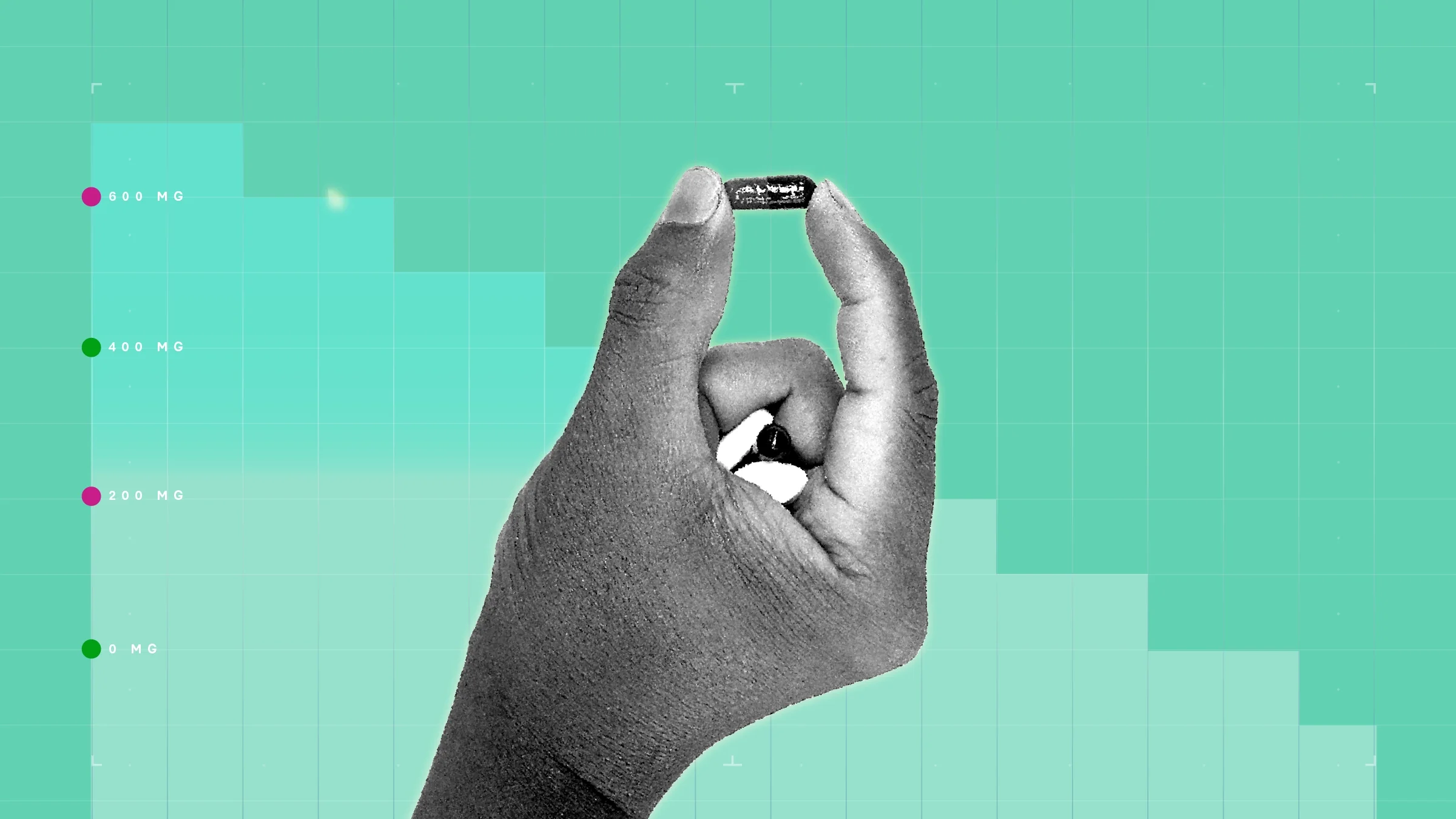
Based on how you respond to the medication, you and your prescriber can decide if you need a higher dose. Your Qelbree dose can be increased by 200 mg once weekly, up to a maximum dose of 600 mg once daily. But never make changes to your Qelbree dose without speaking to a healthcare professional.
What’s the typical Qelbree dosage for children?
Qelbree is also approved to treat ADHD in children ages 6 and older. Dose recommendations vary slightly depending on your child’s age:
Children ages 6 to 11 years: Qelbree should be started at a dosage of 100 mg once daily. If needed, a healthcare professional may increase their dose by 100 mg once weekly, up to a maximum dosage of 400 mg once daily.
Children ages 12 to 17 years: Qelbree should be started at a dosage of 200 mg once daily. This dose may be increased by 200 mg after 1 week of taking it, up to the maximum dosage of 400 mg once daily.
Are there any dosage adjustments for medical conditions?
Certain health conditions — and even other medications — can affect how your body responds to a treatment. That’s why it’s important to tell your healthcare team about medical issues you have and other medications or supplements you take.
Dosage for people with kidney problems
Many medications need dose adjustments for people with kidney problems. This is because the kidneys help clear medications from the body, including Qelbree. When the kidneys aren’t working well, the medication can build up and raise the risk of side effects.
If you have mild kidney problems, you’ll usually be able to take a standard Qelbree dose. But people with more severe kidney issues may need a lower dose. A healthcare professional can assess how well your kidneys are working and recommend the right amount for you.
For those with severe kidney problems, the recommended starting dose is 100 mg once daily. If a higher dose is needed, it can be increased by 50 mg to 100 mg each week, up to a maximum of 200 mg once daily — which is lower than the maximum dose for people without severe kidney issues.
Dosage for people taking certain interacting medications
Certain medications can change how Qelbree is broken down and removed from your body. Qelbree may not work as well as a result, or you may experience more side effects.
For this reason, you may not be able to take Qelbree with certain medications, or you may need a lower dose. Here are some examples:
Monoamine oxidase inhibitors (MAOIs): Avoid taking Qelbree if you’re taking an MAOI or have taken one within the past 2 weeks. Combining them can trigger a life-threatening hypertensive crisis, a sudden and dangerous spike in blood pressure. Examples of MAOIs include selegiline (Zelapar, Emsam), phenelzine (Nardil), and isocarboxazid (Marplan).
Tizanidine and theophylline: Avoid these medications if you’re taking Qelbree. Qelbree strongly blocks the enzyme that breaks down tizanidine (Zanaflex) and theophylline (Theo-24, Elixophyllin). Because both have a narrow therapeutic index — meaning there’s little room between a safe dose and a harmful one — changes in how they’re cleared from the body can significantly affect their safety and effectiveness.
Duloxetine, ramelteon, and alosetron: Qelbree can slow the breakdown of these medications, causing them to build up and increase the risk of side effects. Avoid combining Qelbree with duloxetine (Cymbalta), ramelteon (Rozerem), or alosetron (Lotronex).
What happens if you miss a dose of Qelbree?
Qelbree is a once-daily medication that you can take anytime of day. If you miss a dose of Qelbree, take it as soon as you remember — unless it’s too close to your next scheduled dose. If so, skip the missed dose. Never take an extra Qelbree dose to make up for one you missed.
What should you do if you take too much Qelbree?
If you’re worried you may have taken too much Qelbree — even if you feel fine — tell a healthcare professional. They can help you figure out the next steps and tell you if you need to do anything. You can also contact Poison Control online or at 1-800-222-1222.
If you start to notice symptoms like drowsiness, slower reflexes, a fast heartbeat, or decreased awareness, call 911 or get medical care right away. It’s always better to get help quickly if something doesn’t feel right.
How to save on Qelbree
There are ways to save on Qelbree, which is available only as a brand-name medication. GoodRx can help you navigate between copay savings cards and GoodRx discounts to save money on your prescription.
Save with a copay savings card: If you have commercial insurance, you may be eligible to pay as little as $20 for Qelbree using a savings card from the manufacturer. If you’re uninsured or paying cash, you may be able to pay as little as $200 using the savings card.
Save with GoodRx: With a free GoodRx coupon, a 30-day supply of Qelbree may cost as little as $398.67.
The bottom line
Qelbree (viloxazine) is a nonstimulant medication that treats attention-deficit hyperactivity disorder (ADHD) in adults and kids. It comes as an oral capsule. Adults taking Qelbree typically start at a dosage of 200 mg once daily and can slowly increase their dosage up to 600 mg daily. Children as young as 6 can also take it, but they generally take a lower dose than adults. Other factors, such as your kidney health and other medications you take, can also influence your Qelbree dose. Always speak with a healthcare professional before starting Qelbree or changing your dose.

Why trust our experts?




References
MedlinePlus. (2025). Viloxazine.
National Kidney Foundation. (2025). Stages of chronic kidney disease (CKD).
Poison Control. (n.d.). Get help online and by phone. National Capital Poison Center.
Supernus Pharmaceuticals. (2025). Qelbree- viloxazine hydrochloride capsule, extended release [package insert].