


Budesonide, Rinvoq, and More: 8 Oral Crohn’s Disease Medications
Crohn's disease is a chronic inflammatory bowel disease. Treatment typically focuses on managing symptoms and may include these Crohn’s disease medications.
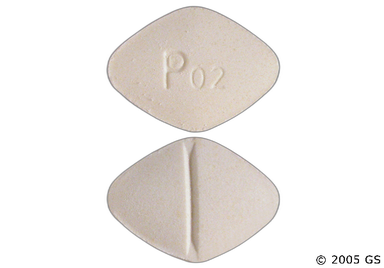
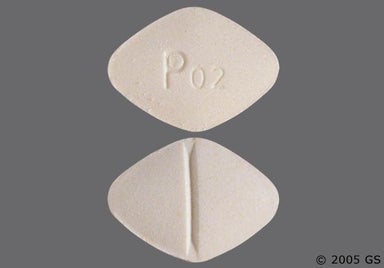
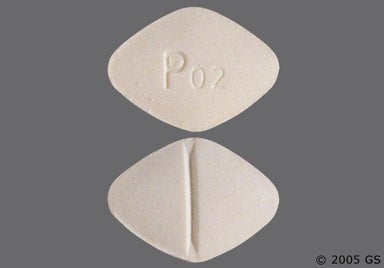
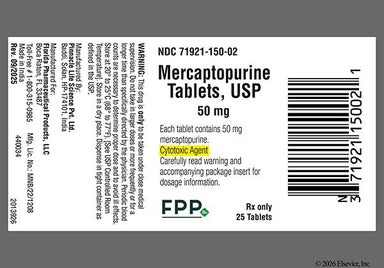
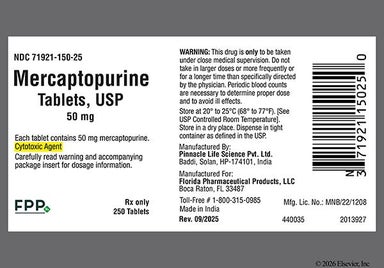
Mercaptopurine (also known as 6-mercaptopurine or 6-MP) is used for acute lymphoblastic leukemia (ALL). It’s typically taken together with other anticancer medications. Mercaptopurine is also commonly used off-label for certain gut problems (Crohn’s disease and ulcerative colitis). This medication is taken by mouth as a tablet or an oral suspension. While the tablet is only available as a generic, the oral liquid is only available under the brand name Purixan. Mercaptopurine has unpleasant side effects, like low appetite, stomach upset, and feeling unwell.

Mercaptopurine is a type of antimetabolite medication called a nucleoside metabolic inhibitor. It stops cancer cells from being able to make their own genetic material. This kills cancer cells and stops cancer growth.
| Common Brands | Purixan |
|---|---|
| Drug Class | Nucleoside metabolic inhibitor |
| Controlled Substance Classification | Not a controlled medication |
| Generic Status | Lower-cost generic available |
| Availability | Prescription only |

The following side effects may get better over time as your body gets used to the medication. Let your healthcare provider know immediately if you continue to experience these symptoms or if they worsen over time.
Contact your healthcare provider immediately if you experience any of the following.
Along with its needed effects, a medicine may cause some unwanted effects. Although not all of these side effects may occur, if they do occur they may need medical attention.
Check with your doctor immediately if any of the following side effects occur:
More common
Black, tarry stools
bleeding gums
clay colored stools
cough or hoarseness
dark urine
decreased appetite
fever or chills
headache
loss of appetite
lower back or side pain
nausea, vomiting
painful or difficult urination
pale skin
pinpoint red spots on the skin
rash, itchy skin
stomach pain or tenderness
swelling of the feet or lower legs
trouble with breathing upon exertion
unusual bleeding or bruising
unusual tiredness or weakness
yellow eyes or skin
Incidence not known
blurred vision
cold sweats
coma
confusion
dizziness
fast heartbeat
increased hunger
increased sensitivity of the skin to sunlight
indigestion
joint pain, stiffness, or swelling
nervousness
nightmares
redness or other discoloration of the skin
seizures
severe sunburn
shakiness
slurred speech
stomach cramping or burning
vomiting of blood or material that looks like coffee grounds
Some side effects may occur that usually do not need medical attention. These side effects may go away during treatment as your body adjusts to the medicine. Also, your health care professional may be able to tell you about ways to prevent or reduce some of these side effects. Check with your health care professional if any of the following side effects continue or are bothersome or if you have any questions about them:
Less common
Darkening of the skin
Other side effects not listed may also occur in some patients. If you notice any other effects, check with your healthcare professional.
Call your doctor for medical advice about side effects. You may report side effects to the FDA at 1-800-FDA-1088.



Tips for the mercaptopurine oral liquid (Purixan)

Mercaptopurine can cause some serious health issues. This risk may be even higher for certain groups. If this worries you, talk to your doctor or pharmacist about other options.
Mercaptopurine causes your bone marrow to make fewer blood cells (bone marrow suppression). As a result, your red blood cell count can drop, leading to anemia. Your white blood cell count can also fall, which raises your risk of infection and affects how well your body can fight them off. In addition, your platelet count can get too low and put you at risk of bleeding. Your risk of these effects might be higher if you also take allopurinol (Zyloprim), mesalamine, or other medications that also suppress the bone marrow.
Your provider will check your blood cell counts through blood tests during treatment with mercaptopurine. If your blood cell counts become too low, they might lower your dose. Let your provider know if you feel very tired, get sick often, or have unusual bleeding or bruising while you’re taking mercaptopurine. These can be signs that your blood cell counts are too low.
Mercaptopurine can damage your liver, which can be fatal in severe cases. One symptom of liver damage, yellowing of the skin or eyes (jaundice), usually happens within the first 2 months of starting the medication. But, it can also happen at any time while you’re taking mercaptopurine. Make sure you get your blood drawn regularly during treatment so your provider can check your liver health. Report any symptoms of liver problems, such as yellowing of the skin or eyes, dark urine, pale stools, loss of appetite, diarrhea, and stomach bloating. You might need to stop taking mercaptopurine.
There’s a higher risk that you might develop new cancers while you’re taking mercaptopurine. These new cancers might include other blood cancers or skin cancers. It appears that this risk is related to how much and for how long your immune system has been weakened by mercaptopurine and your other immune-suppressing medications. Speak with your provider if you’re concerned about this risk with mercaptopurine treatment.
Mercaptopurine can cause harm to the unborn baby when it’s taken during pregnancy. Some women who’ve taken the medication during the first trimester of pregnancy have reported miscarriage (pregnancy loss) and stillbirth. Because of this risk, both men and women who can have children should use birth control during treatment with mercaptopurine. After you stop the medication, continue to use birth control for 3 more months (for men) or 6 more months (for women). Let your provider know if you or your partner becomes pregnant while you’re taking mercaptopurine.

 Tablet
| Dosage | Quantity | Price as low as | Price per unit |
|---|---|---|---|
| 50mg of | 90 tablets | $66.21 | $0.74 |

Although certain medicines should not be used together at all, in other cases two different medicines may be used together even if an interaction might occur. In these cases, your doctor may want to change the dose, or other precautions may be necessary. When you are taking this medicine, it is especially important that your healthcare professional know if you are taking any of the medicines listed below. The following interactions have been selected on the basis of their potential significance and are not necessarily all-inclusive.
Using this medicine with any of the following medicines is not recommended. Your doctor may decide not to treat you with this medication or change some of the other medicines you take.
Using this medicine with any of the following medicines is usually not recommended, but may be required in some cases. If both medicines are prescribed together, your doctor may change the dose or how often you use one or both of the medicines.
Using this medicine with any of the following medicines may cause an increased risk of certain side effects, but using both drugs may be the best treatment for you. If both medicines are prescribed together, your doctor may change the dose or how often you use one or both of the medicines.


Prescription savings
Stop paying too much for your prescriptions. Compare prices, get pharmacy coupons, and save up to 80%. Find expert answers to your health questions so you can make the best decisions for yourself and your family.
Health conditions
Medications & treatment
Access & affordability
Medication discounts


In clinical studies, some people taking Mercaptopurine reported experiencing hair loss. Hair loss appeared to happen later during treatment. If you notice hair loss while you’re taking Mercaptopurine, talk to your provider. They can discuss how to manage hair loss. There might also be other causes for your hair loss that your provider can check for.
Yes, Mercaptopurine is a type of chemotherapy medication. It works in cancer cells to disrupt how they make their own genetic material. This kills the cancer cells, which helps stop cancer growth.
Yes, Mercaptopurine can lower the number of white blood cells you have, which can weaken your immune system. As a result, you’re at risk for infections, and your body might have a harder time fighting off infections. The best way to prevent infections is to wash your hands with soap and water often. Try to avoid crowded places or being around people who are ill. Tell your provider if you have a fever, chills, or if you’re getting sick often while you’re taking Mercaptopurine.
Although it isn’t FDA approved for this purpose, Mercaptopurine can be used off-label for Crohn’s disease. The American College of Gastroenterology (ACG) guidelines recommend Mercaptopurine as an option to treat moderate-to-severe Crohn's disease and prevent flare-ups. Crohn’s disease is an autoimmune condition where your immune system attacks your own gut and causes gut inflammation. Mercaptopurine weakens the immune system, which helps lower gut inflammation. This medication helps lower the amount of corticosteroids (e.g., prednisone) you need to take for flare-ups that might occur. This helps you avoid unpleasant side effects of steroids. Keep in mind that taking Mercaptopurine for Crohn's disease can raise your risk for a serious inflammatory condition that causes fever that doesn't go away, low energy, and headaches. If you have Crohn's disease, ask your provider whether Mercaptopurine is right for you.
While it isn’t FDA approved for this purpose, Mercaptopurine can be used off-label for ulcerative colitis (UC). The American College of Gastroenterology (ACG) guidelines say that people with moderate-to-severe UC whose symptoms have gone away with steroid use (“in remission”) can take Mercaptopurine to manage their condition and prevent flare-ups. Ulcerative colitis (UC) is an autoimmune condition where your immune system attacks your large intestine and causes gut inflammation. Mercaptopurine weakens the immune system, which helps lower gut inflammation. It’s important to note that taking Mercaptopurine for UC can put you at higher risk for a serious inflammatory condition that causes fever that doesn't go away, low energy, and headaches. If you have UC, ask your provider whether Mercaptopurine is right for you.
If you've forgotten to take a dose of Mercaptopurine, skip your missed dose. Wait to take the medication at your next regularly scheduled time.
Based on animal studies, it’s possible for Mercaptopurine to cause problems for you to have children in the future. Talk with your provider if you have questions or concerns about how this medication will affect your plans to have children. They can discuss options, like egg freezing or sperm banking, with you.
There's not enough information to know for sure whether it’s safe to breastfeed while you’re taking the medication. But because of the potential for serious harm to your breastfed baby, don't breastfeed during treatment and for 1 week after you stop the medication. Speak with your provider about safe ways to feed your baby.
