



Everything You Need to Know About Immune Thrombocytopenia
Immune thrombocytopenia (ITP) is a rare blood disorder. It often occurs when the immune system attacks platelets, leading to a range of health issues.
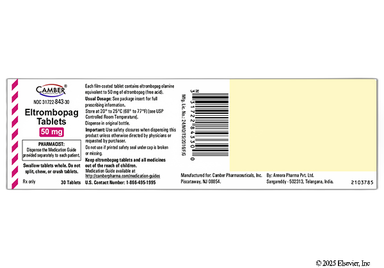
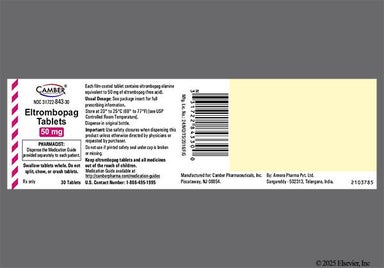
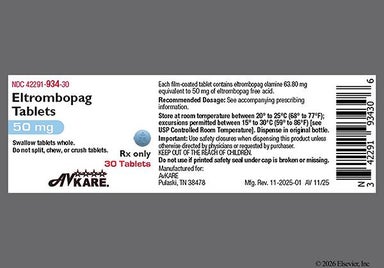
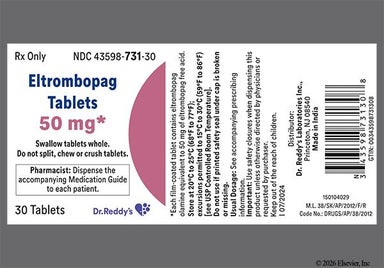
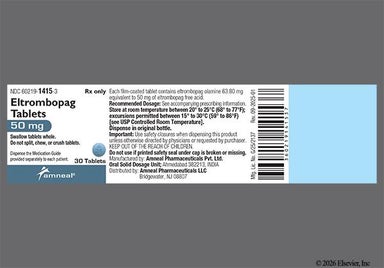
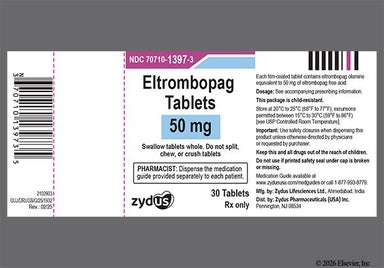
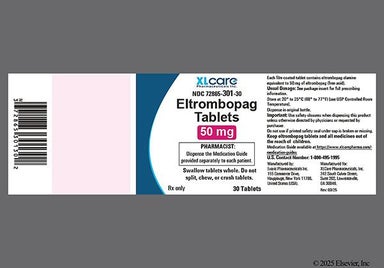
Promacta (eltrombopag) is an oral medication used to treat specific blood-related conditions like immune thrombocytopenic purpura (ITP). It’s also used with other medications to raise platelet levels in people with long-term hepatitis C. Common side effects include nausea, fever, tiredness, and headache. Currently Promacta (eltrombopag) is a brand-name medication only, so generics aren't available on the market.

Promacta (eltrombopag) is a thrombopoietin receptor (TPO) agonist, meaning it acts like TPO. TPO is a natural hormone that tells your bone marrow to make more blood cells.
By working like TPO, Promacta (eltrombopag) raises the level of platelets, red blood cells, and white blood cells in your body. This is important because having a healthy level of these components helps to lower your risk for bleeding, fight against infections, and makes sure enough oxygen is carried throughout your body.
| Common Brands | Promacta |
|---|---|
| Drug Class | Thrombopoietin receptor agonist |
| Controlled Substance Classification | Not a controlled medication |
| Generic Status | No lower-cost generic available |
| Availability | Prescription only |

The following side effects may get better over time as your body gets used to the medication. Let your healthcare provider know immediately if you continue to experience these symptoms or if they worsen over time.
Long-term ITP and severe/refractory aplastic anemia:
The risk of developing these side effects depends on your dose.
Long-term hepatitis C:
People with hepatitis C who reported side effects were also taking interferon and ribavirin together with Promacta (eltrombopag). All of the listed side effects for people with long-term hepatitis C might not be caused by Promacta (eltrombopag) alone.
Contact your healthcare provider immediately if you experience any of the following.
Along with its needed effects, a medicine may cause some unwanted effects. Although not all of these side effects may occur, if they do occur they may need medical attention.
Check with your doctor immediately if any of the following side effects occur:
More common
Bloating or swelling of the face, arms, hands, lower legs, or feet
body aches or pain
chills
difficulty with breathing
headache
loss of voice
pain in the chest, groin, or legs, especially the calves
pale skin
rapid weight gain
severe, sudden headache
slurred speech
sudden loss of coordination
sudden, severe weakness or numbness in the arm or leg
tingling of the hands or feet
troubled breathing with exertion
unusual tiredness or weakness
unusual weight gain or loss
yellow eyes or skin
Less common
Bladder pain
blindness
blurred or decreased vision
bruising
burning, crawling, itching, numbness, prickling, "pins and needles", or tingling feelings
general feeling of discomfort or illness
hoarseness
joint pain
lower back or side pain
muscle aches and pains
pinpoint red spots on the skin
redness of the eye
shivering
sweating
tender, swollen glands in the neck
trouble sleeping
trouble swallowing
voice changes
vomiting
Some side effects may occur that usually do not need medical attention. These side effects may go away during treatment as your body adjusts to the medicine. Also, your health care professional may be able to tell you about ways to prevent or reduce some of these side effects. Check with your health care professional if any of the following side effects continue or are bothersome or if you have any questions about them:
Other side effects not listed may also occur in some patients. If you notice any other effects, check with your healthcare professional.
Call your doctor for medical advice about side effects. You may report side effects to the FDA at 1-800-FDA-1088.




Promacta (eltrombopag) can cause some serious health issues. This risk may be even higher for certain groups. If this worries you, talk to your doctor or pharmacist about other options.
 Promacta (eltrombopag) can cause liver damage regardless of what it’s being used for. Your risk is higher if you have hepatitis C and are also taking interferon and ribavirin, medications that treat hepatitis C. Blood work must be done regularly to check your liver health. If you experience stomach swelling, darkening of the urine, yellowing of the skin or eyes, confusion, tiredness, or right upper stomach pain, contact your healthcare provider right away, because you might need to stop the medication.
Promacta (eltrombopag) can cause blood clots because it raises platelet levels. Additional risk factors for blood clots include smoking, age greater than 65 years old, history of blood clots, obesity, and lack of physical activity. You’ll need regular blood work done to not only check that the medication is working, but also to make sure you're not at risk for developing a blood clot. Blood clots linked with Promacta (eltrombopag) are mostly seen in the liver. If you start to experience symptoms like abdominal pain, nausea, vomiting, and diarrhea, get medical help right away because this could be a sign of a blood clot in your liver.
In addition, Promacta (eltrombopag) can also cause clots to form in other parts of the body, including your legs and lungs. If you start to experience swelling, redness, pain in your legs, difficulty breathing, chest pain, or a cough, contact your doctor right away. Clots in other parts of the body can lead to other problems including heart attack and stroke. If you experience chest pain, pain in the arms or shoulders, pain in the neck or jaw, difficulty speaking, numbness on one side of the body, or confusion, contact your healthcare provider right away.
People with MDS, a type of blood cancer, who take Promacta (eltrombopag) are at higher risk for developing a more serious type of blood cancer called acute myeloid leukemia (AML). which can lead to death. Let your healthcare provider know if you have any type of MDS or blood cancers before starting Promacta (eltrombopag).
People taking Promacta (eltrombopag) could develop new or worsening cataracts, or cloudiness in the eye. You are at a higher risk of developing cataracts if you are older than 65 years of age, are a current smoker, have high blood pressure, have diabetes, or if you’ve taken steroids for a long period of time. You’re recommended to get an eye exam before starting Promacta (eltrombopag) and then regularly throughout treatment. If you start experiencing symptoms like blurry vision, difficulty seeing at night, or double vision, contact your healthcare provider.

Low platelet count in people with long-term ITP:
Adults and children ages 6 and older: The typical starting dose is 50 mg by mouth once daily.
Children ages 1 to 5 years old: The typical starting dose is 25 mg by mouth once daily.
Your healthcare provider will adjust your dose based on your platelet levels. The maximum dose is 75 mg a day. Your dose might be lowered if you’re of East Asian or Southeast Asian descent, or if you have liver problems.
Low platelet count in people with long-term hepatitis C:
Severe aplastic anemia as a first-choice treatment:
Adults and children ages 12 and older: The typical starting dose is 150 mg by mouth once daily for 6 months.
Children ages 6 to 11 years old: The typical starting dose is 75 mg by mouth once daily for 6 months.
Children ages 2 to 5 years old: The starting dose will depend on your child’s weight. The typical starting dose is 2.5 mg/kg by mouth once daily for 6 months.
Your dose might be lowered if you’re of East Asian or Southeast Asian descent, or if you have liver problems.
Severe aplastic anemia that hasn’t responded to treatment (refractory):
Your healthcare provider will adjust your dose based on your platelet levels. The maximum dose is 150 mg a day. Your dose might be lowered if you’re of East Asian or Southeast Asian descent, or if you have liver problems.

Although certain medicines should not be used together at all, in other cases two different medicines may be used together even if an interaction might occur. In these cases, your doctor may want to change the dose, or other precautions may be necessary. When you are taking this medicine, it is especially important that your healthcare professional know if you are taking any of the medicines listed below. The following interactions have been selected on the basis of their potential significance and are not necessarily all-inclusive.
Using this medicine with any of the following medicines is not recommended. Your doctor may decide not to treat you with this medication or change some of the other medicines you take.
Using this medicine with any of the following medicines is usually not recommended, but may be required in some cases. If both medicines are prescribed together, your doctor may change the dose or how often you use one or both of the medicines.
Using this medicine with any of the following medicines may cause an increased risk of certain side effects, but using both drugs may be the best treatment for you. If both medicines are prescribed together, your doctor may change the dose or how often you use one or both of the medicines.







Prescription savings
Stop paying too much for your prescriptions. Compare prices, get pharmacy coupons, and save up to 80%. Find expert answers to your health questions so you can make the best decisions for yourself and your family.
Health conditions
Medications & treatment
Access & affordability
Medication discounts


ITP is a condition that occurs when there aren’t enough platelets in your body. Platelets are a type of blood cell that’s responsible for forming a clot to stop bleeding. In ITP, your body mistakenly sees platelets as harmful cells, instead of normal clotting cells. Your body then attacks and destroys the platelets, which lowers your platelet count and puts you at risk for bleeding. Promacta works by raising your platelet levels, so you’re less likely to experience bleeding or bruising from ITP.
No. Treatment for low platelet levels can differ person to person, depending on the cause and the platelet levels. If your platelet levels are low, it's important to ask your healthcare provider to help you find the reason why. Promacta can only be used in people who haven’t responded well to other treatments for long-term ITP, people with long-term hepatitis C, and those who can’t make enough blood cells on their own (severe aplastic anemia).
Doptelet (avatrombopag) and Nplate (romiplostim) are other medications in the same class as Promacta that are also used to treat ITP. While Doptelet (avatrombopag) is only available as an oral tablet that’s taken daily and Nplate (romiplostim) is given as an injection once a week, Promacta is available as both an oral tablet and a powder for oral suspension to be taken daily.
It depends on what condition you're taking Promacta for. For example, for ITP it takes 1 to 2 weeks for your platelet levels to start rising. For severe and refractory aplastic anemia, it could take up to 4 months to see your platelet levels rise. For long-term hepatitis C, the time depends on if you’re taking other antiviral medications with Promacta. In addition, your dose might need to be adjusted based on your platelet levels. If you have any questions about your platelet levels, ask your healthcare provider.
No, you'll need to swallow Promacta tablets whole. But luckily, the medication also comes in packets that you mix into an oral suspension to drink. This can be a good option for children and people who have difficulty swallowing. Talk to your healthcare provider if you prefer to take the oral suspension.
If you're taking Promacta for ITP, it takes about 5 to 7 days for the majority of the medication to leave your body. And for people who also have severe liver problems, it can take even longer. But keep in mind that this time frame is estimated based on the half-life of Promacta. It can also be affected by your health conditions and genetics, so it can be different for each individual person. Discuss with your healthcare provider if you have questions about how long the medication stays in your body.
Currently, there isn’t enough information to know if Promacta is safe to take during pregnancy. Animal studies have shown that Promacta can cause harm to unborn babies. Because of this risk, it’s recommended that if you're able to become pregnant, you should use some form of contraception while taking Promacta. Contraception should also be used for at least 7 days after stopping Promacta. Talk with your healthcare provider if you are or might become pregnant.
Animal studies have shown that Promacta can be passed through breast milk, although whether it passes through breast milk in people is unknown. To be on the safe side, females shouldn't breastfeed while taking Promacta. Ask your healthcare provider about other options that are safer to take while breastfeeding.
