pomalidomide
Pomalyst (pomalidomide) is an oral anticancer medication. It treats multiple myeloma in people who’ve received at least 2 prior therapies, including lenalidomide (Revlimid) and a proteasome inhibitor, like bortezomib (Velcade). It can also treat Kaposi sarcoma in adults. Pomalyst (pomalidomide) is convenient to take because you only take it once daily for 3 weeks out of every 4-week anticancer treatment cycle. But because of the risk of serious side effects (e.g., blood clots and birth defects), Pomalyst (pomalidomide) is only available under a restricted distribution program called a Risk Evaluation and Mitigation Strategy (REMS) program.


What is Pomalyst (pomalidomide)?
What is Pomalyst (pomalidomide) used for?
- Multiple myeloma, previously treated with at least 2 prior therapies
- Kaposi sarcoma
How Pomalyst (pomalidomide) works
Pomalyst (pomalidomide) works by stimulating the immune system to fight cancer cells. In addition, it targets specific proteins within cancer cells and stops the cancer cells from growing. Pomalyst (pomalidomide) also works by blocking the blood supply to myeloma cells, which helps minimize the growth of new myeloma cells.
Drug facts
| Common Brands | Pomalyst |
|---|---|
| Drug Class | Immunomodulator |
| Controlled Substance Classification | Not a controlled medication |
| Generic Status | No lower-cost generic available |
| Availability | Prescription only |

Side effects of Pomalyst (pomalidomide)
The following side effects may get better over time as your body gets used to the medication. Let your healthcare provider know immediately if you continue to experience these symptoms or if they worsen over time.
Common Side Effects
Multiple Myeloma
- Tiredness/weakness (58%)
- Low white blood cell counts (53%)
- Low red blood cell counts (38%)
- Runny nose, sore throat, and other symptoms of a respiratory tract infection (37%)
- Nausea (36%)
- Constipation (36%)
- Trouble breathing (36%)
- Diarrhea (35%)
- Back pain (35%)
- Pneumonia (28%)
- Low platelets (26%)
- Swelling of hands and feet (25%)
Kaposi Sarcoma
- Low blood cell counts (54-96%)
- Abnormal kidney labs (86%)
- Rash (71%)
- Constipation (71%)
- Tiredness (68%)
- Higher blood sugar levels (57%)
- Abnormal liver labs (25-54%)
- Lower phosphate levels (54%)
- Lower blood calcium levels (50%)
*Please note: These side effects were reported by people who took only Pomalyst (pomalidomide) in clinical trials. The frequency of side effects might be different for you if you’re taking this medication with dexamethasone. *
Less Common Side Effects
Multiple myeloma
- Fever
- Muscle and bone pain in the chest
- Less appetite
- Dizziness
- High blood calcium levels
- Nerve pain
- Muscle spasms
- Rash
- Joint stiffness
- Headache
- Itching
Kaposi Sarcoma
- Nausea
- Diarrhea
- Cough
- Trouble catching your breath
- Swelling of the hands and feet
- Sore throat, cough, and other symptoms of an upper respiratory tract infection
- Muscle spasms
Pomalyst (pomalidomide) serious side effects
Contact your healthcare provider immediately if you experience any of the following.
- Serious liver problems: tiredness, loss of appetite, nausea or vomiting, dark urine, right-side stomach pain, easy bruising or bleeding, or yellowing of the eyes or skin
- Blood clot in the brain: weakness or numbness in your arms, legs, or face on one side of the body, trouble speaking, blurred vision, dizziness, loss of balance, trouble walking, or confusion
- Heart attack: chest pain, sweating, nausea, or dizziness
- Blood clot in the lungs: trouble breathing, chest pain, or cough
- Blood clot in the legs: cramps, swelling, pain, or muscle tightness
- Severe skin reactions: painful blisters, skin wounds, peeling skin, painful sores in your mouth or around your eyes
- Tumor lysis syndrome: fever, chills, nausea or vomiting, confusion, trouble breathing, seizures, irregular heartbeat, dark or cloudy urine, muscle or joint pain, unusual tiredness
- Serious infections: fever, sore throat, chills, headache, body aches, cough
- Serious bleeds: bleeding that’s difficult to stop, bruises that don’t go away, dark or tarry stool
The following Pomalyst (pomalidomide) side effects have also been reported
Along with its needed effects, a medicine may cause some unwanted effects. Although not all of these side effects may occur, if they do occur they may need medical attention.
Check with your doctor immediately if any of the following side effects occur:
More common
Black, tarry stools
bladder pain
bleeding gums
bloating or swelling of the face, arms, hands, lower legs, or feet
blood in the urine or stools
bloody nose
body aches or pain
burning, numbness, tingling, or painful sensations
chills
cloudy urine
confusion
decreased or increased urination
difficult, burning, or painful urination
difficulty with breathing
discouragement
dizziness
ear congestion
fast or irregular heartbeat
feeling sad or empty
frequent urge to urinate
headache
incoherent speech
increased thirst
irritability
lack of appetite
loss of appetite
loss of interest or pleasure
loss of voice
lower back or side pain
metallic taste
muscle pain or cramps
muscle weakness
numbness or tingling in the hands, feet, or lips
pale skin
pinpoint red spots on the skin
rapid weight gain
shakiness in the legs, arms, hands, or feet
stomach pain
tightness in the chest
trembling or shaking of the hands or feet
trouble concentrating
trouble sleeping
troubled breathing with exertion
ulcers, sores, or white spots in the mouth
unsteadiness or awkwardness
unusual bleeding or bruising
unusual weight gain or loss
vomiting
weakness in the arms, hands, legs, or feet
Less common
dizziness or lightheadedness
fainting
pain, redness, or swelling in the arm or leg
troubled breathing
Incidence not known
Blistering, peeling, or loosening of the skin
difficulty in passing urine (dribbling)
joint pain
red skin lesions, often with a purple center
red, irritated eyes
unusual tiredness or weakness
weakness or heaviness of the legs
yellow eyes or skin
Some side effects may occur that usually do not need medical attention. These side effects may go away during treatment as your body adjusts to the medicine. Also, your health care professional may be able to tell you about ways to prevent or reduce some of these side effects. Check with your health care professional if any of the following side effects continue or are bothersome or if you have any questions about them:
More common
Back pain
blurred vision
decreased appetite
difficulty with moving
flushed, dry skin
fruit-like breath odor
increased hunger
increased sweating
lack or loss of strength
muscle spasms or stiffness
night sweats
rash
Incidence not known
Feeling of constant movement of self or surroundings
sensation of spinning
Other side effects not listed may also occur in some patients. If you notice any other effects, check with your healthcare professional.
Call your doctor for medical advice about side effects. You may report side effects to the FDA at 1-800-FDA-1088.

Pros and cons of Pomalyst (pomalidomide)
Pros
- Taken once a day
- Taken by mouth, so good for people who don’t like needles
- Works well to treat people who didn’t respond well to other treatments for myeloma
Cons
- Commonly causes tiredness, diarrhea, and rash
- Can cause blood clots so might also need to take a blood thinner
- Can only be filled at certified pharmacies enrolled in the Pomalyst (pomalidomide) REMs program

Pharmacist tips for Pomalyst (pomalidomide)

- You should take Pomalyst (pomalidomide) by mouth once a day with or without food. Swallow the capsule whole with water. Don’t chew, crush, or break open the capsule.
- If you’ve kidney problems and are currently getting hemodialysis, you should take Pomalyst (pomalidomide) after your hemodialysis session on dialysis days.
- If you miss a dose of Pomalyst (pomalidomide) or vomit after taking a dose, you can take the missed dose if it’s more than 12 hours before your next dose. However, if it’s less than 12 hours before your next dose, you can skip the missed dose. Just resume your next dose at the normally scheduled time.
- Because Pomalyst (pomalidomide) raises your risk for blood clots, your healthcare provider will most likely prescribe medications to help prevent blood clots. Depending on your risk for blood clots this can include medications like aspirin, warfarin (Coumadin), or enoxaparin (Lovenox).
- Certain medications, like fluvoxamine (Luvox) and ciprofloxacin (Cipro) can raise the level of Pomalyst (pomalidomide) in your body and put you at higher risk for serious side effects, such as blood clots. It’s important to tell your provider and pharmacist about all the medications you take, including supplements and over-the-counter (OTC) medications. Your provider can guide you to safer alternatives or on how to best take your medications.
- Due to the risk of harm to an unborn baby, you shouldn’t donate blood while on treatment with Pomalyst (pomalidomide) and for at least a month after your last dose.
- Ask your provider or pharmacist about the best way to handle and throw away Pomalyst (pomalidomide) safely. Anticancer medications can be very harmful to people who handle or come into contact with them.

Risks and warnings for Pomalyst (pomalidomide)
Pomalyst (pomalidomide) can cause some serious health issues. This risk may be even higher for certain groups. If this worries you, talk to your doctor or pharmacist about other options.
Harm to unborn baby
 Pomalyst (pomalidomide) can’t be used in pregnancy because it can cause severe birth defects and death to the unborn baby. If you’re a female who’s able to become pregnant, you either need to avoid heterosexual intercourse or use 2 methods of effective birth control for at least a month before starting Pomalyst (pomalidomide) treatment, during treatment, and for at least a month after your last dose. You also need to have 2 negative pregnancy tests—one test 2 weeks before, then another test within 24 hours of starting Pomalyst (pomalidomide). You’ll also need to take pregnancy tests biweekly or monthly while on treatment. If you become pregnant while taking Pomalyst (pomalidomide), stop taking it right away and let your healthcare provider know.
Pomalyst (pomalidomide) is also present in the semen of males who take Pomalyst (pomalidomide). Because of this, males taking Pomalyst (pomalidomide) with female partners who can become pregnant should use a latex or synthetic condom during sexual intercourse while on treatment and for a month after the last dose. This is recommended even if the male has had a vasectomy. Males taking Pomalyst (pomalidomide) must not donate sperm.
Pomalyst (pomalidomide) REMS program
Due to the risk of harm to an unborn baby, Pomalyst (pomalidomide) is only available through a restricted program called Pomalyst (pomalidomide) REMS. This program requires people treated with Pomalyst (pomalidomide) to sign a Patient-Physician Agreement Form and complete specific requirements to receive Pomalyst (pomalidomide). For females who are able to become pregnant, this includes complying with pregnancy testing, contraception requirements, and monthly telephone surveys. For males, this includes complying with contraception requirements. Pomalyst (pomalidomide) is available only from certain pharmacies that are certified in the Pomalyst (pomalidomide) REMS program.
Blood clots
Risk factors: History of blood clots | High cholesterol | Smoking | High blood pressure
Pomalyst (pomalidomide) can raise your risk of blood clots. These clots can occur anywhere in your body, including your lungs (pulmonary embolism, or PE), legs (deep vein thrombosis, or DVT), brain (stroke), and heart (heart attack). Get emergency help right away if you have any signs of a blood clot:
- Brain: weakness or numbness in your arms, legs, or face on one side of the body, trouble speaking, blurred vision, dizziness, loss of balance, trouble walking, or confusion
- Heart: chest pain, sweating, nausea, or dizziness
- Lungs: trouble breathing, chest pain, or cough
- Legs: cramps, swelling, pain, or muscle tightness
Due to the higher risk of blood clots while taking Pomalyst (pomalidomide), your healthcare provider might also recommend that you also take a blood thinner to help prevent blood clots.
Low blood cell counts
Pomalyst (pomalidomide) can cause your white blood cells, red blood cells, and platelets to drop. When these cell counts are lower than normal, you have a higher risk of anemia, bleeding, bruising, and infections. Your provider will check your blood counts often while you’re receiving Pomalyst (pomalidomide). Let your provider know if you develop a fever or start to feel sick or have any unusual bruising or bleeding. If this happens you might need to have your dose lowered or stop this medication altogether. If your blood counts drop too low, you may need a blood transfusion.
Liver damage
Pomalyst (pomalidomide) can cause liver damage. Rarely, this can lead to life-threatening liver failure. Your provider will monitor your liver health through lab work at the start of treatment as well as monthly while you’re taking Pomalyst (pomalidomide). If you experience higher levels of liver enzymes, your provider might need to stop Pomalyst (pomalidomide) (either temporarily or permanent) or switch you to a different medication. Let your provider know if you experience tiredness, loss of appetite, nausea or vomiting, dark urine, right-side stomach pain, or yellowing of the eyes or skin, as these can be signs of liver problems.
Serious skin reactions
Pomalyst (pomalidomide) can cause severe skin reactions like Stevens-Johnson syndrome (SJS), which can become life-threatening. Tell your provider immediately if you develop painful blisters, skin wounds, or peeling skin, as these are signs of a serious skin reaction that requires immediate medical attention.
Nerve damage
Pomalyst (pomalidomide) can cause symptoms of nerve damage including tingling, numbness, pain, and a burning sensation in your hands, feet, or legs. Call your healthcare provider if you develop symptoms of nerve damage. Your provider will see how severe your symptoms are and talk with you about next steps.
Dizziness and confusion
Pomalyst (pomalidomide) can cause dizziness and confusion. Your risk is higher if you’re also taking other medications that can cause dizziness or confusion, and if you’re drinking alcohol. You should avoid situations where you need to be alert, such as driving, until you get used to how the medication affects you.
Risk of new cancers
Although rare, taking Pomalyst (pomalidomide) may raise your risk of developing a new cancer, such as a blood cancer called acute myeloid leukemia (AML). This happened in people who took Pomalyst (pomalidomide) as an investigational therapy for reasons outside of multiple myeloma. Speak with your healthcare provider about your risk of developing new cancers while taking Pomalyst (pomalidomide).
Tumor lysis syndrome
Risk factors: High tumor burden
Treatment with Pomalyst (pomalidomide) can cause a serious reaction called tumor lysis syndrome (TLS). TLS is a condition where many cancer cells die quickly and suddenly break down in your body. In the process, these cells release their inner contents, like uric acid, potassium, and phosphorus, into your blood. High levels of uric acid and electrolytes in your body can cause serious problems, such as kidney damage and abnormal heart rhythms.
Your provider will order labs for you regularly to check for signs of TLS. Tell your provider right away if you’re urinating less than usual or have dark urine, muscle cramps, or a racing heartbeat.

Pomalyst (pomalidomide) dosage
Typical dosage for Pomalyst (pomalidomide)
- Multiple myeloma: The typical dose is 4 mg by mouth once daily on days 1 through 21 of every 28-day cycle, in combination with dexamethasone.
- Kaposi sarcoma: The typical dose is 5 mg by mouth once daily on days 1 through 21 of every 28-day cycle, in combination with dexamethasone.
Your dose might be different if you experience certain side effects, have kidney or liver problems, or you’re taking medications that might interact with Pomalyst (pomalidomide).

Interactions between Pomalyst (pomalidomide) and other drugs
Although certain medicines should not be used together at all, in other cases two different medicines may be used together even if an interaction might occur. In these cases, your doctor may want to change the dose, or other precautions may be necessary. When you are taking this medicine, it is especially important that your healthcare professional know if you are taking any of the medicines listed below. The following interactions have been selected on the basis of their potential significance and are not necessarily all-inclusive.
Using this medicine with any of the following medicines is usually not recommended, but may be required in some cases. If both medicines are prescribed together, your doctor may change the dose or how often you use one or both of the medicines.
- Abametapir
- Ciprofloxacin
- Enoxacin
- Fluvoxamine
- Pixantrone

Pomalyst (pomalidomide) contraindications
Contraindications are specific health conditions or situations in which a person should not take a medication due to safety concerns. If you have any of the following conditions or if any of the following apply to you, let your healthcare provider know because Pomalyst (pomalidomide) will not be safe for you to take.
- Currently pregnant

What are alternatives to Pomalyst (pomalidomide)?

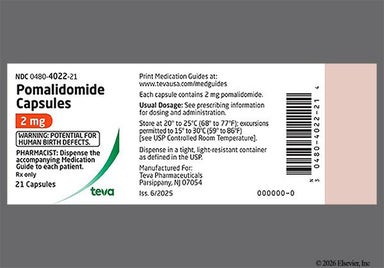
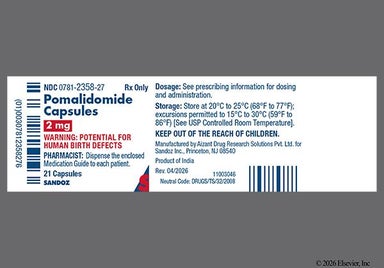
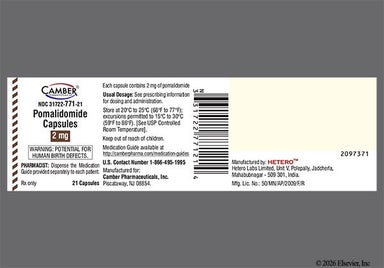
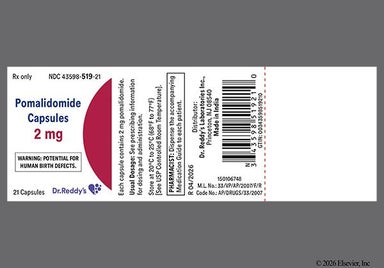
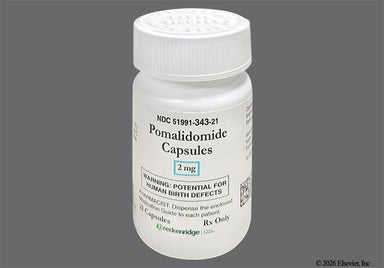
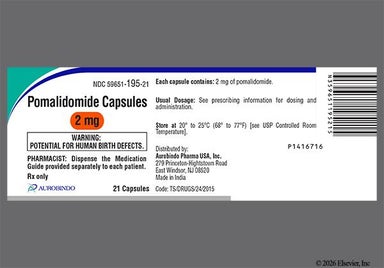
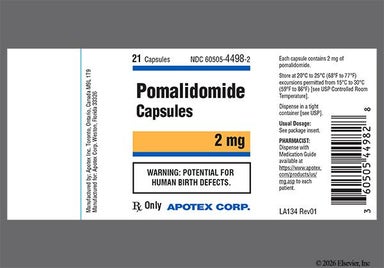
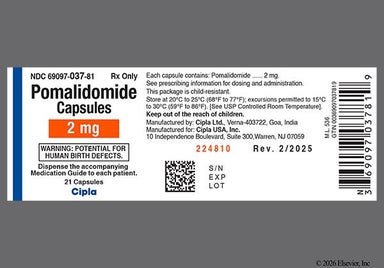
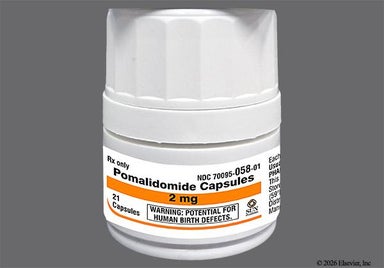
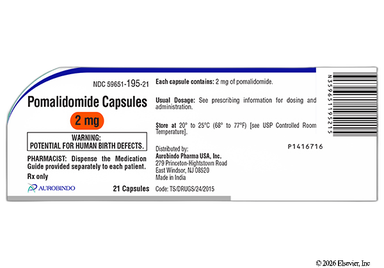
Pomalyst (pomalidomide) images