Key takeaways:
Librela (bedinvetmab) is a once-a-month injectable medication used to reduce arthritis-related pain in dogs.
Bedinvetmab, the active ingredient in Librela, is a monoclonal antibody that blocks the sensation of arthritis pain.
Librela is available only through licensed veterinarians and must be given by a veterinarian or vet tech each month.
The most common form of joint disease in dogs is osteoarthritis (arthritis). Arthritis causes pain, loss of mobility, and reduced range of motion. It negatively affects the quality of life for millions of dogs in the U.S.
Fortunately, there are several medication options to reduce your dog’s arthritis symptoms. One of the newer medical options is Librela (bedinvetmab).
Search and compare options
Librela for dogs at a glance
Common names | Librela (bedinvetmab) |
What it treats | Arthritis pain |
How it comes (form) | Once-a-month injection |
Dosage | Based on your dog’s weight |
Common side effects | Urinary tract infection, bacterial skin infection, skin inflammation, injection site pain, inappropriate urination |
Cost | $75-$300 per injection |
What is Librela, and how does it work?
Librela is an injectable medication to manage arthritis pain in dogs. The active ingredient in Librela is bedinvetmab.
Bedinvetmab is a monoclonal antibody. It blocks a chemical messenger called nerve growth factor (NGF), which sends pain signals to the brain. By blocking NGF, bedinvetmab stops the sensation of joint pain in dogs due to osteoarthritis.
Librela is the first monoclonal antibody approved by the FDA to treat chronic arthritis pain in dogs.
How is Librela given to dogs?
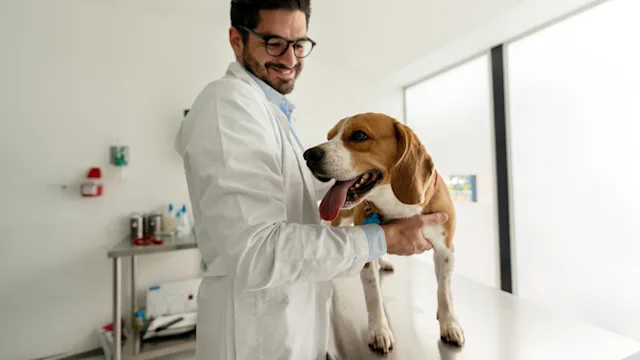
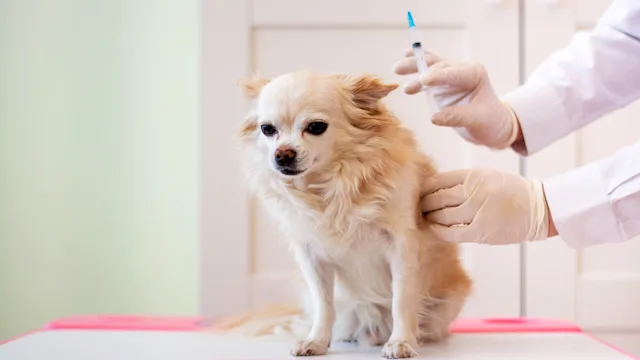
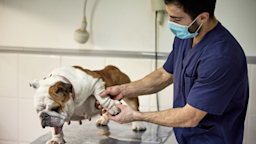
Librela is given as an injection once a month. Your veterinarian or a licensed vet tech must give the injection. It’s not a medication you can give yourself.
Your veterinarian will calculate the exact dose your dog needs based on their weight. They’ll give your dog 0.23 mg of Librela per pound of body weight so the medication works best.
How do you know if Librela is working?
You may or may not see improvement in your dog’s pain after just 1 dose. Some dogs will show improvement as soon as 7 days after the first injection. But most dogs will require 2 doses of Librela before you start to notice an improvement.
Signs that the medication is working include:
Decreased limping
Improvement in stair climbing, jumping, and playing
Better sleep at night and sleeping less during the day
Improved energy levels and play behaviors
Improved mood
Less difficulty getting up
What are the common side effects of Librela in dogs?
The most common side effects of Librela in dogs include:
Urinary tract infection
Bacterial skin infection
Dermatitis (skin inflammation)
Pain at the injection site
Inappropriate urination

Read more like this
Explore these related articles, suggested for readers like you.
If you notice any side effects after your dog receives Librela, tell your veterinarian as soon as possible. Librela is considered a long-acting medication, meaning side effects can take days to weeks to resolve, depending on the dog.
What are the most serious risks of Librela for dogs?
Serious side effects associated with Librela are rare, but they can include:
Increased blood urea nitrogen (BUN) levels
Vomiting
Excessive sleepiness
Weight loss
Swelling or tumor development at the injection site
Anaphylaxis
More recently, the FDA announced additional serious side effects of Librela in dogs. These include:
Wobbly gait
Neurological problems
Excessive urination
Excessive thirst
Death
If you notice your dog has serious side effects, call your veterinarian for advice. Potential side effects of using Librela longer than 9 months have not been evaluated.
Some veterinarians may require blood work to check internal organ function and kidney BUN levels before giving your dog Librela.
Does Librela interact with any other dog medications?
Because Librela is a newer medication, experts don’t know a lot about how it interacts with other dog medications. Veterinary experts are particularly cautious about giving Librela with other pain medications for dogs.
If your dog is due for a vaccine, your veterinarian may decide to give Librela during a different appointment. This is because the effects of dogs getting Librela and vaccines at the same time haven’t been studied.
Before your dog is treated with Librela, be sure to tell your veterinarian about all medications, vitamins, and supplements you give your dog. They can tell you which medications to use to control arthritis pain in your dog.
What should you do if your dog misses a dose of Librela?
If your dog has been prescribed Librela, your veterinarian will schedule the next dose each month. After your dog receives their first injection, ask to be sent reminders about your dog’s next injection appointment.
If you forget to take your dog to their monthly Librela injection, contact your veterinarian as soon as possible to reschedule.
Other ways to manage osteoarthritis in dogs
Librela isn’t the only treatment for arthritis in dogs. Other ways to manage arthritis include:
Nonsteroidal anti-inflammatory drugs (NSAIDs), such as carprofen or Deramaxx
Other pain medications, like gabapentin, amantadine, or tramadol
Weight loss for overweight dogs
Gentle exercise, such as shorter walks or swimming
Physical therapy
Massage
Specialized stretches performed by a pet rehabilitation specialist
Ice or heat packs on your dog’s joints
Laser therapy
Acupuncture
Frequently asked questions
The cost of Librela can range from $75 to $300 or more per injection for your dog. Prices will vary based on how much your dog weighs and where you live. In some cases, you may also have to pay additional fees for the veterinary office visit.
Yes, Librela can affect your dog’s kidneys. In some dogs, Librela increases their BUN levels. High BUN levels are associated with kidney problems in dogs.
Librela has not been studied for safety or effectiveness in dogs younger than 12 months old. So it should not be given to puppies or dogs who are breeding, pregnant, or lactating.
Nerve growth factor, the chemical messenger blocked by Librela, is also present in the heart and blood vessels. The long-term effect of using Librela in dogs who have heart disease has not been evaluated. Librela should be used with caution in these animals.
The cost of Librela can range from $75 to $300 or more per injection for your dog. Prices will vary based on how much your dog weighs and where you live. In some cases, you may also have to pay additional fees for the veterinary office visit.
Yes, Librela can affect your dog’s kidneys. In some dogs, Librela increases their BUN levels. High BUN levels are associated with kidney problems in dogs.
Librela has not been studied for safety or effectiveness in dogs younger than 12 months old. So it should not be given to puppies or dogs who are breeding, pregnant, or lactating.
Nerve growth factor, the chemical messenger blocked by Librela, is also present in the heart and blood vessels. The long-term effect of using Librela in dogs who have heart disease has not been evaluated. Librela should be used with caution in these animals.
The bottom line
Librela is the first FDA-approved monoclonal antibody therapy used to treat arthritis pain in dogs. It is available only as an injection and must be given by a veterinarian each month.
Librela is generally safe and well tolerated by most dogs. Some dogs will experience side effects, such as pain at the injection site or skin inflammation. It can also take a couple of months of Librela injections before you start to notice some improvement in your dog. Talk with your veterinarian to see if Librela is the right choice for your dog.

Why trust our experts?




References
American College of Veterinary Surgeons. (n.d.). Osteoarthritis in dogs.
American Animal Hospital Association. (2025). Librela update: Changes to Librela label from Zoetis.
Bimonte, S., et al. (2021). The role of anti-nerve growth factor monoclonal antibodies in the control of chronic cancer and non-cancer pain. Journal of Pain Research.
Brooks, W. (2023). Medications for degenerative arthritis in dogs and cats. Veterinary Partner.
U.S. Food and Drug Administration. (2023). FDA approves first monoclonal antibody for dogs with osteoarthritis pain.
U.S. Food and Drug Administration. (2024). Dear veterinarian letter notifying veterinarians about adverse events reported in dogs treated with Librela (bedinvetmab injection).
Zoetis. (2025). Librela- bedinvetmab injection, solution [package insert]. Vet Label.
Zoetis. (2025). Librela [package insert].