Key takeaways:
Hyperthyroidism is a condition in which your cat’s thyroid gland is overactive. It’s most common in older cats. If left untreated, it can cause serious health problems.
There’s an FDA-approved version of methimazole specifically for cats. But your veterinarian can also have it compounded into a topical gel, an oral liquid, or treats.
You’ll need to be careful when handling methimazole and your cat’s bodily fluids or stool when they’re taking the medication. Exposure can be harmful to you and, if you’re pregnant, to your fetus.
Save on related medications
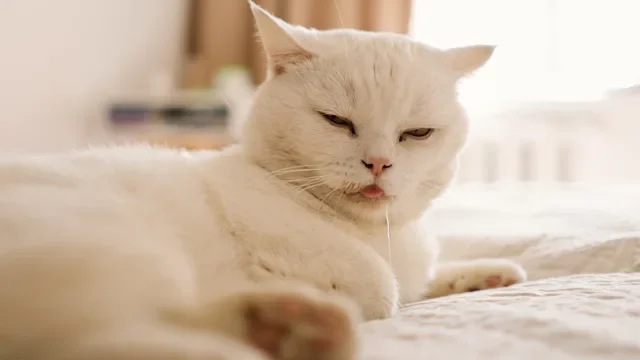
Perhaps you’ve noticed your older cat losing weight despite eating more than usual. Maybe they’re drinking and using the litter box more often too. These behaviors might be subtle at first. But they could be signs of a more serious issue called hyperthyroidism.
Hyperthyroidism is a medical condition in which the thyroid gland makes too much thyroid hormone. It affects up to 10% of cats over 10 years old in the U.S. And it can lead to serious health problems if left untreated.
Fortunately, there are treatment options available. One example is methimazole (Felimazole), a medication that can help keep your cat’s thyroid hormone levels under control. Keep reading to learn more about methimazole for cats — what it is, how it works, and what to expect.
Search and compare options
Methimazole for cats at a glance
Common names | Methimazole (Felimazole) |
What it treats | Hyperthyroidism |
How it comes (forms) | Tablets, transdermal gel, oral liquid, treats |
Dosage | 2.5 mg every 12 hours |
Common side effects | Appetite changes, lower energy, diarrhea, vomiting, itchy skin, weight loss, weakness, agitation |
Average cost |
What is methimazole, and what is it used for in cats?
Methimazole is an antithyroid medication that’s used to treat hyperthyroidism. It’s given long term to manage thyroid hormone levels in cats. It can also be used to normalize levels before thyroid surgery.
Methimazole works by blocking thyroid hormones from being made. This helps lower thyroid hormone levels in the blood. It can take a few weeks before you’ll see an improvement in your cat’s symptoms after they start treatment.
Methimazole helps keep thyroid hormone levels under control, but it doesn’t fix the root of the problem. In most cases, hyperthyroidism in cats is due to a noncancerous tumor on the thyroid gland. Other treatment options work by removing or killing the abnormal thyroid tissue.
Unless your veterinarian recommends a more permanent treatment option, methimazole is likely a lifelong medication for your cat.
What is the dosage of methimazole for cats, and how is it given?
Methimazole is typically given to your cat twice a day. The typical starting dosage for oral forms is 2.5 mg given by mouth every 12 hours. A transdermal dose, which means the medication is delivered through the skin, may be slightly different. After 3 weeks, your veterinarian may adjust the dosage based on your cat’s response to the medication.
How you give your cat a dose depends on the dosage form. There are a few options:
Oral tablets
Oral liquid
Transdermal gel
Treats

Better understand hyperthyroidism: This is a common condition in cats. Learn what to expect if your cat has been diagnosed with hyperthyroidism.
Other senior cat ailments: Arthritis is also very common in older cats. Here’s how to help a cat who has arthritis pain.
Keep them looking sleek: Cats like to be brushed. Get all the details on how to brush your cat, from the best tools to how often to primp their furry coat.
Your veterinarian will help you decide which option is best for your cat. And in some cases, you may need to try more than one to find a good fit.
Oral tablets
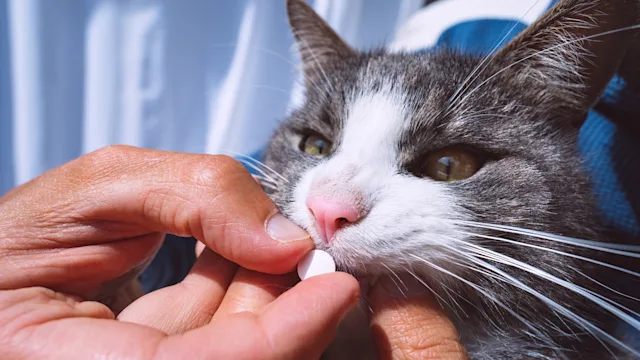
Felimazole is an FDA-approved methimazole tablet just for cats. It’s available as 2.5 mg and 5 mg tablets. Before Felimazole was approved in 2009, human methimazole tablets were used in cats. This is considered off-label, which means they were used in a way that wasn’t FDA approved.
Compounded oral liquid
It may not be easy giving your cat a pill twice a day. In this case, your veterinarian may prescribe a compounded product. This is a medication made specifically for your cat by a compounding pharmacy. They’re able to make a number of dosage forms.
Read more like this
Explore these related articles, suggested for readers like you.


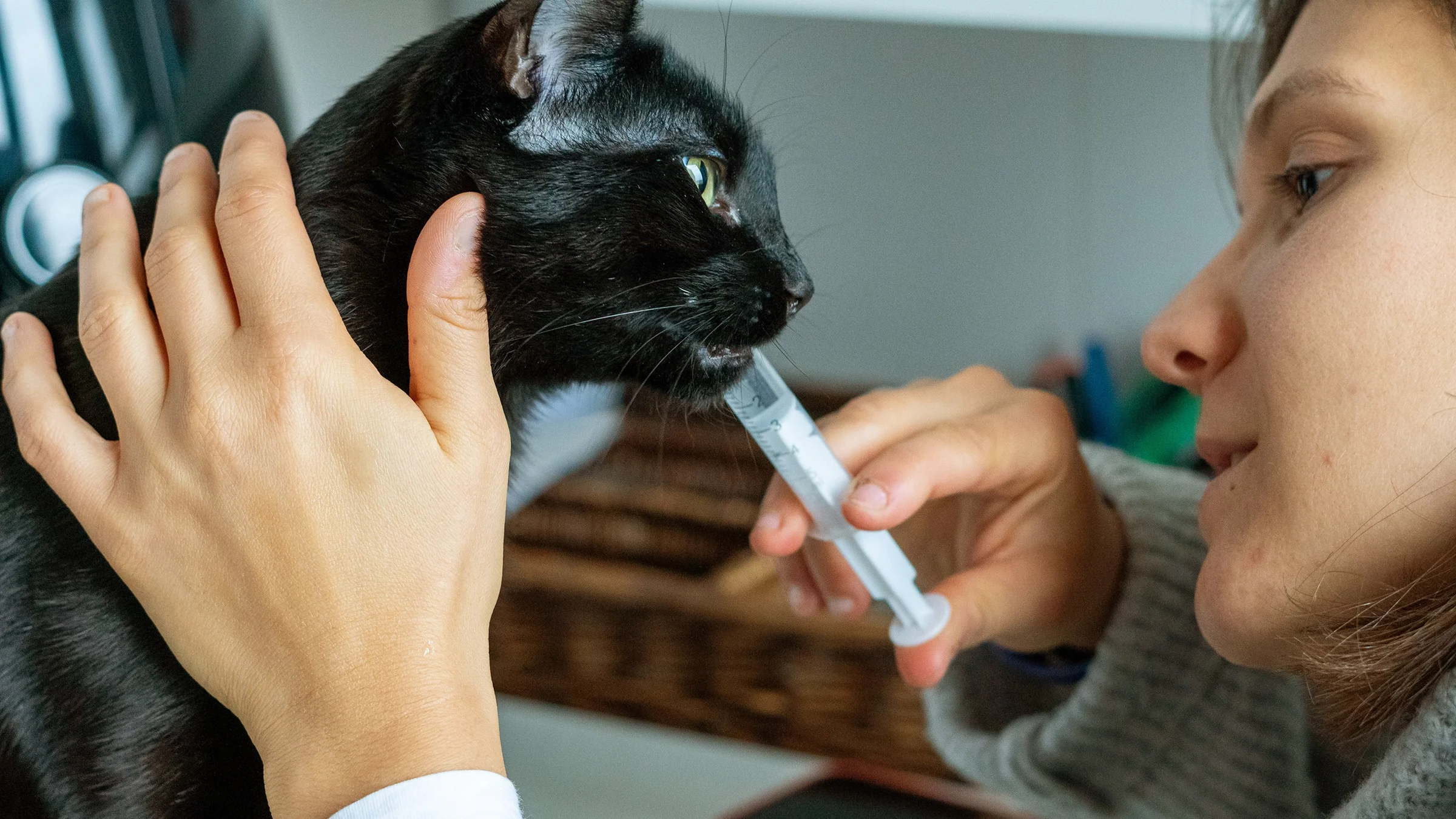
One option is an oral liquid. The pharmacy can also flavor it based on your furry friend’s preferences. They’ll send you a bottle of medication and oral syringes to give your cat a dose. Depending on how it’s made, you may need to keep it refrigerated.
Compounded treats
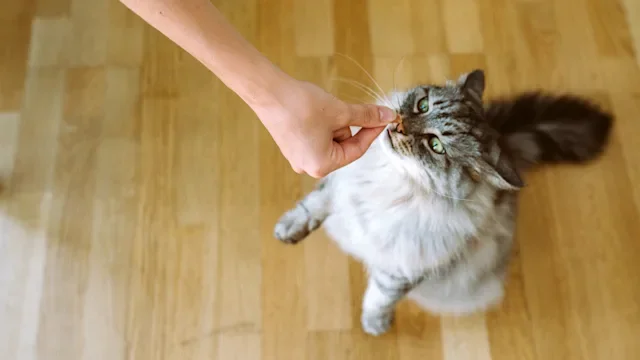
Another oral option is cat treats. The pharmacy will mix methimazole powder into a soft, chewable cat treat to help disguise it. Treats might be an oral option if your cat won’t take the pills or liquid.
Compounded transdermal gel
Perhaps your cat is uncooperative when you try to give them oral medications. In this case, your veterinarian may prescribe a transdermal gel. But transdermal gels don’t work for all cats, and you may need to switch to an oral form based on their response.
Transdermal gels are applied to your cat’s inner ear. After application, the medication is absorbed through the skin and into their bloodstream.
The pharmacy will give you instructions on how to apply the gel correctly. You’ll also need to protect your skin — with gloves or finger cots — to avoid exposure to the medication.
Not all compounding pharmacies make medications for pets. Your veterinarian can recommend one to make your cat’s medication.
What are the side effects of methimazole in cats?
As with most medications, methimazole can cause side effects. Most of these go away over time as your cat gets used to the medication. But others can be more serious and require frequent monitoring.
Examples of commonly reported side effects include:
Change in appetite
Lower energy or activity level
Diarrhea
Vomiting
Itchy skin or skin lesions
Weight loss
Changes in liver or kidney values on labwork
Weakness
Agitation
What are the most serious risks of methimazole in cats?
Serious side effects of methimazole include:
Liver disease
Greater risk of infection from lower white blood cell counts
Blood-clotting problems from fewer platelets (blood cells involved in clotting)
Anemia from red blood cells destroyed by your cat’s immune system
Tell your veterinarian if your cat is experiencing side effects from methimazole. This could be a sign that their thyroid levels are too low or too high. In this case, the dose may need to be adjusted.
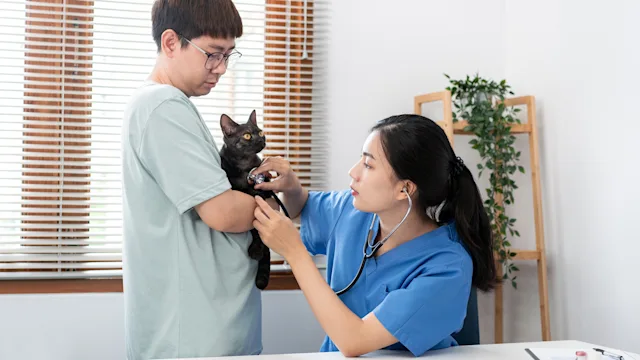
Your veterinarian will regularly monitor your cat’s blood work while they’re on methimazole. This is to make sure the medication is working and to watch for serious side effects.
Which cats should not take methimazole?
Not all cats are good candidates for methimazole. For example, it shouldn’t be given to cats with liver disease, kidney failure, or an autoimmune disease. Methimazole can be especially hard on cats with kidney disease. Cats who are pregnant or have certain blood disorders (such as anemia) also shouldn’t receive methimazole.
What should you do if your cat misses a dose?
If you miss giving your cat their regular dose of methimazole, give it as soon as you remember. But if it’s close to when it’s time for your cat’s next dose (within 6 hours), skip the missed dose. Then give your cat their next regularly scheduled dose.
What happens if you’re exposed to methimazole?
It’s important to take precautions while your cat is on methimazole, especially if you’re pregnant. That’s because methimazole can cause harm to you and your fetus. And it’s possible to be exposed to the medication while handling it or your cat’s bodily fluids or stool when they’re on the medication.
You’ll be instructed to wear gloves or finger cots when handling the medication, cleaning the litter box, or cleaning up your cat’s vomit. Don’t break or crush the tablets.
If you’re exposed to methimazole, you may experience side effects. These can include vomiting, headache, and abdominal pain. Tell your healthcare provider right away if this happens.
Is there an alternative to methimazole for cats?
There are a few treatment options for hyperthyroidism in cats. Some are more definitive, while others require long-term maintenance. The best choice for your cat typically depends on their age and other health conditions.
Radioactive iodine
Radioactive iodine tends to be the treatment of choice for hyperthyroidism in cats. It’s a radioactive form of iodine that’s taken up into the thyroid gland and kills abnormal cells. The procedure cures hyperthyroidism in over 95% of cats and doesn’t require general anesthesia.
Thyroid surgery
Another more definitive option is surgery to remove abnormal thyroid tissue. It cures hyperthyroidism in 10% to 30% of cats if one gland is removed. If both glands are removed, over 90% of cats are cured from their hyperthyroidism.
But surgery can be risky, especially for older cats or cats with certain health conditions. It can also cause health issues, such as low calcium levels in the blood. In some cases, your cat may need another surgery to remove any remaining thyroid tissue.
Low-iodine diet
The thyroid gland needs iodine to make thyroid hormones. So another potential treatment for hyperthyroidism is to reduce the amount of iodine in your cat’s diet. About 3 in 4 cats have fewer hyperthyroidism symptoms and lower thyroid hormone levels within the first month of eating a low-iodine diet.
Like methimazole, this treatment option will need to be continued for the rest of your cat’s life. And it may be difficult to stick with it, especially if you have more than one cat.
Frequently asked questions
Your veterinarian will determine the best dosage of methimazole for your cat. The maximum dosage depends on your cat’s weight and condition. In general, cats will be prescribed a maximum dosage of 5 mg per day, given as 2.5 mg every 12 hours.
Suddenly stopping methimazole in cats can cause their symptoms to come back. Before stopping the medication, talk to your veterinarian. They will help you safely stop methimazole.
If your cat has hyperthyroidism, your veterinarian may recommend a low-iodine diet. This diet limits the amount of iodine available to your cat’s thyroid. With less iodine, it’s harder for your cat’s thyroid to make the excess hormones that cause hyperthyroidism.
Your veterinarian will determine the best dosage of methimazole for your cat. The maximum dosage depends on your cat’s weight and condition. In general, cats will be prescribed a maximum dosage of 5 mg per day, given as 2.5 mg every 12 hours.
Suddenly stopping methimazole in cats can cause their symptoms to come back. Before stopping the medication, talk to your veterinarian. They will help you safely stop methimazole.
If your cat has hyperthyroidism, your veterinarian may recommend a low-iodine diet. This diet limits the amount of iodine available to your cat’s thyroid. With less iodine, it’s harder for your cat’s thyroid to make the excess hormones that cause hyperthyroidism.
The bottom line
Methimazole is an antithyroid medication used to treat hyperthyroidism in cats. It’s typically given long term, and it can cause some side effects. Your veterinarian will need to regularly monitor your cat’s blood work to make sure the medication is working and watch for serious side effects.
There are a few other options to treat hyperthyroidism. Radioactive iodine and surgery are more definitive treatments, while dietary changes require ongoing maintenance. Your veterinarian will take into account your cat’s age and health when determining the best treatment option.

Why trust our experts?




References
Brooks, W. (2024). Dietary therapy for hyperthyroidism in cats. Veterinary Partner.
Brooks, W. (2024). Surgical treatment for feline hyperthyroidism. Veterinary Partner.
Brooks, W. (2025). Hyperthyroidism medication for cats (methimazole). Veterinary Partner.
Brooks, W. (2025). Thyroid treatment using radiotherapy for cats. Veterinary Partner.
Bruyette, D. (2014). Methimazole: Management of feline hyperthyroidism. Today’s Veterinary Practice.
Carney, H. C., et al. (2016). 2016 AAFP guidelines for the management of feline hyperthyroidism. Journal of Feline Medicine and Surgery.
Dechra. (2015). Felimazole coated tablets (methimazole) [package insert].
U.S. Food & Drug Administration. (2024). Hyperthyroidism in cats— two FDA-approved drugs available to treat it.