


Calcium Citrate Dosages for Adults: Your GoodRx Guide
Read on for calcium citrate dosage information, including typical dosage, adjustments for health conditions, and what to do if you miss a dose.
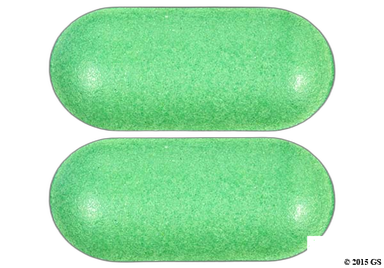
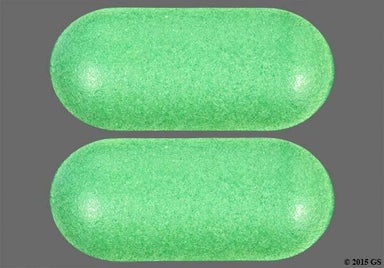
Calcium carbonate/vitamin D3 is a dietary supplement used for people who have bone problems or low calcium and vitamin D levels. There are many manufacturers who make this product. It's available over the counter and as a lower-cost, generic form.

Calcium carbonate/vitamin D3 is a combination of two products:
| Common Brands | Os-Cal, Osteo-Poretical, Oysco 500+D, Cal-Citrate Plus Vitamin D, Caltrate Gummy Bites |
|---|---|
| Drug Class | Nutrition supplement |
| Controlled Substance Classification | Not a controlled medication |
| Generic Status | Lower-cost generic available |
| Availability | Over-the-counter |

The following side effects may get better over time as your body gets used to the medication. Let your healthcare provider know immediately if you continue to experience these symptoms or if they worsen over time.
See Risks and Warnings
Contact your healthcare provider immediately if you experience any of the following.
Side effects that you should report to your care team as soon as possible:
Side effects that usually do not require medical attention (report these to your care team if they continue or are bothersome):




Calcium carbonate/vitamin D3 can cause some serious health issues. This risk may be even higher for certain groups. If this worries you, talk to your doctor or pharmacist about other options.
Calcium carbonate/vitamin D3 shouldn't be used if you have high levels of calcium or vitamin D in your blood. If you take more calcium carbonate/vitamin D3 than the recommended or prescribed dose, it can cause calcium to build up in your blood, which can be dangerous for your kidneys. Make sure to get all blood tests your provider orders for you so they can measure your calcium or vitamin D levels. This is to make sure your levels aren't too high and you're taking the correct dose. If you notice unexplained nausea that doesn't go away, a loss of appetite, weight loss, constipation, muscle pain, muscle stiffness, or a change in how much or how often you urinate, talk to your provider.
Calcium carbonate/vitamin D3 can interact with many other commonly used medications, including over-the-counter and prescription medications. Tell your provider about all the medications you take, especially if you take a bisphosphonate, quinolone antibiotic, tetracycline, or iron supplement. You'll have to space out when you take these medications and calcium carbonate/vitamin D3. Don't start any new medications without talking to your provider or pharmacist first to make sure the combination is safe to take together.

 Tablet
| Dosage | Quantity | Price as low as | Price per unit |
|---|---|---|---|
| 500mg | 60 tablets | $6.29 | $0.10 |
There are several manufacturers of this product. The dose might differ slightly depending on which manufacturer you're using. Be sure to check the product box for specific instructions.
The typical dose is 1 tablet by mouth twice per day with food. Your provider will adjust your dose based on the reason you are taking calcium carbonate/vitamin D3.




Prescription savings
Stop paying too much for your prescriptions. Compare prices, get pharmacy coupons, and save up to 80%.Resources
About GoodRx
 Find expert answers to your health questions so you can make the best decisions for yourself and your family.
Health conditions
Medications & treatment
Access & affordability
Well-being
Medication discounts

Probably not. Let your provider know if you have kidney problems or kidney stones before starting before starting Oyster Shell Calcium With D. This is because this product can make certain kidney problems worse.
No, you'll need to take Oyster Shell Calcium With D every day. This is because it's used to help with bone problems or low calcium and vitamin D levels. Oyster Shell Calcium With D shouldn't be used as needed for heartburn; Calcium carbonate (TUMS) is a separate medication and is taken as needed for heartburn.
Yes, Oyster Shell Calcium With D is safe to use during pregnancy. But, only take Oyster Shell Calcium With D if your provider specifically said you need to take it, and only take at the recommended dose.
Yes, Oyster Shell Calcium With D can be used in children. There are general dosing recommendations for how much vitamin D and calcium children need. But don't give Oyster Shell Calcium With D to a child without talking to their provider first to make sure they actually need to take it and what dose they should take. Make sure to be extra careful when purchasing Oyster Shell Calcium With D and look closely at the amount of calcium and vitamin D to avoid an accidental overdose.
