Key takeaways:
Otezla (apremilast) is an oral medication that treats certain inflammatory conditions. It can interact with other medications and supplements, though, so it’s important to know what to expect.
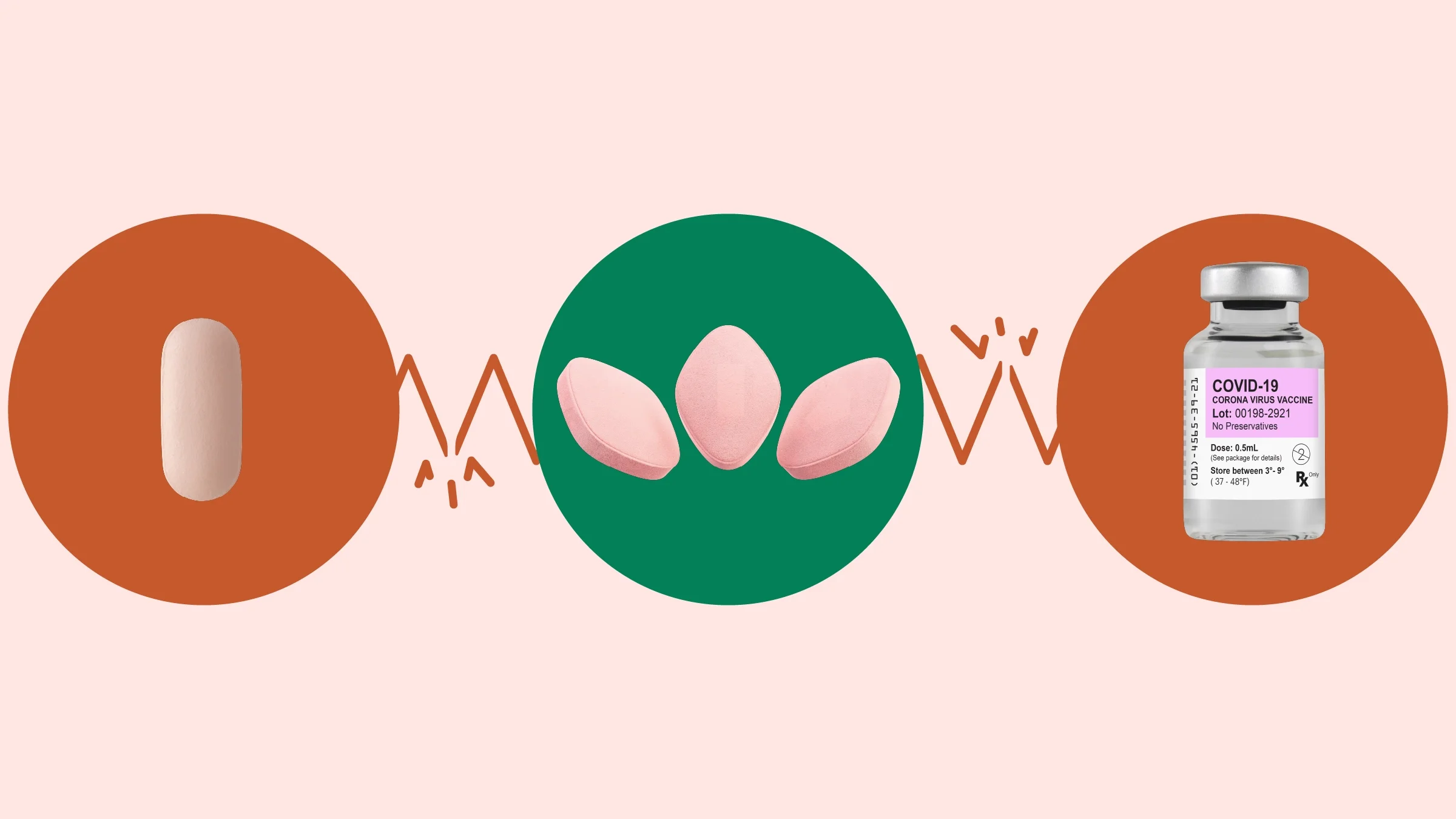
Some medications, such as carbamazepine (Tegretol) and rifampin (Rifadin), can cause Otezla to leave your body faster and make it less effective. Others, such as clarithromycin (Biaxin XL) and ritonavir (Norvir), can cause Otezla to stay in your body longer and raise your risk of side effects.
In most cases, it’s best to avoid taking Otezla with other medications that can change how your body processes it. You may still be able to take these medications together with closer monitoring. But make sure to consult with a healthcare professional first.
Always share a full medication list with your healthcare team. They can help you prevent or manage Otezla interactions to ensure that your treatment remains safe and effective.
Save on related medications
Otezla (apremilast) is an oral medication that’s FDA approved to treat plaque psoriasis, psoriatic arthritis, and mouth sores from Behçet’s disease. Generally speaking, these conditions are caused by an overactive immune system, which leads to chronic inflammation in your body.
Otezla is a phosphodiesterase-4 (PDE4) inhibitor. Blocking PDE4 helps to lower this inflammation. Otezla has a milder effect on your immune system compared with some other medications. But it can still interact with other substances. These interactions can affect how well Otezla works or raise your risk of side effects.
For this reason, it’s a good idea to review potential interactions before you take Otezla.
Otezla interactions at a glance
Otezla doesn’t have many interactions overall. But it’s still a good idea to be prepared. Share your medication list with your healthcare team before you start Otezla. This should include all over-the-counter (OTC) medications, vitamins, and supplements you take. You should also let them know about any medication changes after you start taking Otezla.
Notable Otezla interactions include:
COVID-19 vaccines
Certain cancer medications
Certain antibiotics and antivirals, including Paxlovid (nirmatrelvir / ritonavir)
Certain antifungals
Adempas (riociguat)
Tracleer (bosentan)
St. John’s wort
Here, we’ll detail six notable Otezla interactions and how to manage them.
1. COVID-19 vaccines
Most vaccines are safe to receive while taking Otezla. This includes COVID vaccines. Available COVID vaccines include Pfizer (Comirnaty), Moderna (Spikevax, mNEXSPIKE), and Novavax (Nuvaxovid). However, Otezla might weaken your body’s response to these vaccines. This can mean the vaccines might not protect you as effectively as they would otherwise.
To be safe, it’s good to space the two apart from one another. Some experts recommend pausing your Otezla prescription for 1 to 2 weeks after receiving a COVID vaccine.
This recommendation isn’t set in stone, though. It’s a good idea to talk to a healthcare professional before getting vaccinated. They can guide you on how to time Otezla around your vaccination.
Keep in mind: Wondering if you can get other vaccines while taking Otezla? In many cases, you don’t need to stop or adjust your dose to get vaccinated, including with live (attenuated) vaccines such as the varicella (chickenpox) vaccine and inactivated vaccines such as the flu shot. That said, it’s still a good idea to check with a healthcare professional first; they can help you decide what makes the most sense for you.
2. Antiseizure medications
Several antiseizure medications can interact with Otezla. Common examples include carbamazepine (Tegretol), phenobarbital, and phenytoin (Dilantin).
These medications can interfere with certain liver enzymes (proteins) that break down other medications in the body. When this happens, Otezla gets removed from the body too quickly. This can lower Otezla levels, which may make the medication less effective.
It’s best to avoid combining Otezla with these antiseizure medications. If you’re already taking one of these medications, your prescriber might recommend a different treatment instead of Otezla. Or, if you already take Otezla and need to start an antiseizure medication, your prescriber can help you find an option that’s unlikely to interact.
3. Certain cancer medications
Certain cancer medications interact with Otezla, too. These medications can change how your body processes Otezla. They can speed up liver enzymes and prompt your body to clear Otezla faster than normal. When this happens, Otezla levels drop, and it may not work as well.
One example is enzalutamide (Xtandi), a medication that treats certain types of prostate cancer. Other cancer treatments can have similar effects, including:
Apalutamide (Erleada)
Dabrafenib (Tafinlar)
Encorafenib (Braftovi)
Mitotane (Lysodren)
If you’re receiving cancer treatment, talk to a healthcare professional before you start taking Otezla. They can help you figure out if Otezla is right for you or recommend an alternative medication.
4. Certain antibiotics and antivirals
Some antibiotics interact with Otezla. These medications can alter the rate at which your body breaks Otezla down.
Some antibiotics, such as rifampin (Rifadin), speed liver enzymes up. This reduces the amount of Otezla available in your system and can make it less effective.
Other antibiotics, such as clarithromycin (Biaxin XL), have the opposite effect. They can slow this process down. This allows Otezla to stay in your body longer than normal and might raise your risk of side effects. You might notice issues such as diarrhea, nausea, or headaches.
Antiviral medications can also interact with Otezla. Like antibiotics, they can affect how Otezla is metabolized (processed). For example, efavirenz can lower Otezla levels by enhancing how quickly it’s cleared from your body. But ritonavir (Norvir) can increase Otezla levels by causing it to stay in your body longer.
These risks are very hard to catch on your own. If you need to take an antibiotic or antiviral, talk to a healthcare professional. They can recommend a treatment that is less likely to interact with Otezla. Or, they can monitor you more closely during treatment.
5. Adempas
Adempas (riociguat) is an oral medication that’s used to treat pulmonary hypertension, a condition where the blood vessels in your lungs become narrow and raise blood pressure in your lungs. Otezla and Adempas don’t directly interact, but taking them together can affect your blood pressure.
Otezla might increase the blood pressure-lowering effects of Adempas. This means if you take both medications together, your blood pressure can drop lower than normal. In some cases, you might still be able to take these medications together. But your prescriber might recommend closer monitoring of your blood pressure to help keep you safe.
Some episodes of low blood pressure don’t cause any noticeable symptoms. But your healthcare team might want to observe you for signs or symptoms of low blood pressure if you take the two together. These might include lightheadedness, dizziness, or blurred vision. They might recommend checking your blood pressure at home, as well.
6. St. John’s wort
St. John’s wort is a dietary supplement that’s sometimes marketed for depression. While it’s a natural product, it can still affect how other medications, such as Otezla, work in the body.
St. John’s wort can make Otezla less effective. It can enhance liver enzymes and cause your body to break Otezla down more quickly than normal. This, again, means there’s less Otezla available in your system, so it might not manage your symptoms as well.
It’s best to avoid taking St. John’s wort while taking Otezla. Talk to your prescriber about safer options to help support your mental health. Most prescription antidepressants don’t interact with Otezla.
The bottom line
Otezla (apremilast) is an oral medication that’s FDA approved to treat certain inflammatory conditions. Some Otezla interactions, such as St. John’s wort and enzalutamide (Xtandi), might reduce Otezla’s effectiveness. Others, such as clarithromycin (Biaxin XL) and ritonavir (Norvir), might allow Otezla to stay in your body longer and raise your risk of side effects. Otezla can also reduce how well COVID-19 vaccines work.
Always share a complete medication list with your prescriber and pharmacist. This list should include over-the-counter (OTC) medications and supplements, too. Your healthcare professional can help you navigate potential Otezla interactions and decide if Otezla is the right treatment for you.

Why trust our experts?




References
Amgen. (2025). Otezla- apremilast tablet, film coated [package insert]. DailyMed.
Astellas Pharma US. (2025). Xtandi- enzalutamide capsule [package insert]. DailyMed.
Chat, V. S., et al. (2024). Vaccination recommendations for adults receiving biologics and oral therapies for psoriasis and psoriatic arthritis: Delphi consensus from the medical board of the National Psoriasis Foundation. JAAD.
Curtis, J. R., et al. (2022). American College of Rheumatology Guidance for COVID-19 Vaccination in Patients With Rheumatic and Musculoskeletal Diseases: Version 5. Arthritis & Rheumatology.
Patel, T., et al. (2026). Biochemistry, cytochrome P450. StatPearls.
UpToDate. (2026). Cytochrome P450 3A (including 3A4) inhibitors and inducers.
U.S. Department of Health and Human Services. (2026). Vaccine types.
U.S. Food and Drug Administration. (2025). Nuvaxovid.