


NSAID Eye Drops: 5 Options for Treating Eye Pain and Swelling
NSAID eye drops are often used to treat inflammation or relieve pain. Learn more about prescription NSAID eye drops from GoodRx.
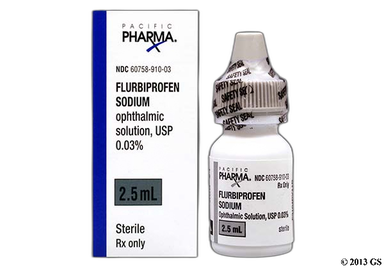
Flurbiprofen sodium is an eye drop used to prevent changes in the eye, such as narrowing of the pupil, during eye surgery.

Flurbiprofen sodium is a nonsteroidal anti-inflammatory drug (NSAID) eye drop. It works directly on the eye to prevent the pupil from getting too small.
| Common Brands | Ocufen |
|---|---|
| Drug Class | NSAID |
| Controlled Substance Classification | Not a controlled medication |
| Generic Status | Lower-cost generic available |
| Availability | Prescription only |

The following side effects may get better over time as your body gets used to the medication. Let your healthcare provider know immediately if you continue to experience these symptoms or if they worsen over time.
Contact your healthcare provider immediately if you experience any of the following.
Along with its needed effects, a medicine may cause some unwanted effects. Although not all of these side effects may occur, if they do occur they may need medical attention.
Check with your doctor immediately if any of the following side effects occur:
Incidence not known
Eye irritation or redness
increased sensitivity of the eyes to light
red or bloodshot eye
Some side effects may occur that usually do not need medical attention. These side effects may go away during treatment as your body adjusts to the medicine. Also, your health care professional may be able to tell you about ways to prevent or reduce some of these side effects. Check with your health care professional if any of the following side effects continue or are bothersome or if you have any questions about them:
Incidence not known
Stinging or burning of the eye when medicine is applied
Other side effects not listed may also occur in some patients. If you notice any other effects, check with your healthcare professional.
Call your doctor for medical advice about side effects. You may report side effects to the FDA at 1-800-FDA-1088.




Flurbiprofen sodium can cause some serious health issues. This risk may be even higher for certain groups. If this worries you, talk to your doctor or pharmacist about other options.
NSAIDs, such as flurbiprofen sodium, can cause bleeding. Flurbiprofen sodium can raise the risk of bleeding during eye surgery, especially in people who have a high risk for bleeds. Before surgery, let your provider know about all the medications you're taking and if you've ever had a bleeding or clotting problem.
NSAIDs and corticosteroid eye drops are commonly used during and after eye surgery to help with pain and inflammation. Unfortunately, they can slow down the body's ability to heal after surgery, especially when they're used together. Make sure you use flurbiprofen sodium exactly as directed and have follow-up appointments with your provider so they can monitor your healing process.

 Eye dropper
| Dosage | Quantity | Price as low as | Price per unit |
|---|---|---|---|
| 2.5ml of 0.03% | 1 eye dropper | $17.19 | $17.19 |

Although certain medicines should not be used together at all, in other cases two different medicines may be used together even if an interaction might occur. In these cases, your doctor may want to change the dose, or other precautions may be necessary. Tell your healthcare professional if you are taking any other prescription or nonprescription (over-the-counter [OTC]) medicine.


Contraindications are specific health conditions or situations in which a person should not take a medication due to safety concerns. If you have any of the following conditions or if any of the following apply to you, let your healthcare provider know because Flurbiprofen sodium will not be safe for you to take.


Prescription savings
Stop paying too much for your prescriptions. Compare prices, get pharmacy coupons, and save up to 80%.Resources
About GoodRx
 Find expert answers to your health questions so you can make the best decisions for yourself and your family.
Health conditions
Medications & treatment
Access & affordability
Well-being
Medication discounts

The brand name Ocufen has been discontinued and is no longer available. Generic versions of Flurbiprofen Sodium are still available.
Flurbiprofen Sodium shouldn't be used for eye pain. It's typically used before and during eye surgery.
Yes, in some cases, Flurbiprofen Sodium and other NSAID eye drops are used after cataract surgery. Don't use Flurbiprofen Sodium unless directed by your provider.
