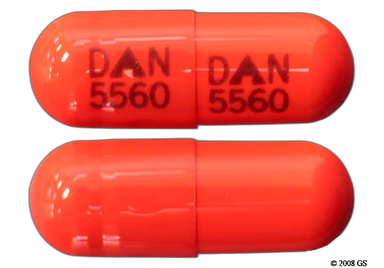
disopyramide
Disopyramide (Norpace) is used to treat certain types of arrhythmias (irregular heartbeat). You'll typically first start the medication in a hospital so your provider can monitor you closely. Some common side effects of disopyramide (Norpace) include dry mouth, difficulty urinating, and constipation. It's available as an immediate-release (IR) and extended-release (ER) capsule. While the IR version is available as brand and lower-cost generic, the ER version is only sold under the brand name Norpace CR.


What is Disopyramide (Norpace)?
What is Disopyramide (Norpace) used for?
- Ventricular arrhythmias (a type of irregular heart rhythm)
How Disopyramide (Norpace) works
Disopyramide (Norpace) is an antiarrhythmic. It slows down abnormal electrical activity in your heart to treat irregular heart rhythm.
Drug facts
| Common Brands | Norpace, Norpace CR |
|---|---|
| Drug Class | Antiarrhythmic |
| Controlled Substance Classification | Not a controlled medication |
| Generic Status | Lower-cost generic available |
| Availability | Prescription only |

Side effects of Disopyramide (Norpace)
The following side effects may get better over time as your body gets used to the medication. Let your healthcare provider know immediately if you continue to experience these symptoms or if they worsen over time.
Common Side Effects
- Dry mouth (32%)
- Trouble starting to urinate or maintaining urine flow (14%)
- Constipation (11%)
- Blurred vision (up to 9%)
- Dry nose, dry eyes, or dry throat (up to 9%)
- Trouble urinating (up to 9%)
- Frequent or urgent urination (up to 9%)
- Nausea (up to 9%)
- Pain, bloating, or gas (up to 9%)
- Dizziness (up to 9%)
- Fatigue or muscle weakness (up to 9%)
- Headache (up to 9%)
- Feeling unwell (up to 9%)
- Aches or pains (up to 9%)
Less Common Side Effects
- Erectile dysfunction or difficulty achieving orgasm
- Low blood pressure
- Worse heart failure
- Abnormal heart rhythm
- Excess fluid under the skin (edema) or weight gain
- Shortness of breath
- Fainting
- Chest pain
- Poor appetite
- Diarrhea
- Rash
- Nervousness
Disopyramide (Norpace) serious side effects
Contact your healthcare provider immediately if you experience any of the following.
- Low blood pressure or abnormal heart rhythm: chest pain or discomfort, weakness, dizziness, fainting
- Heart failure: shortness of breath, swelling of feet or ankles, sudden weight gain, dizziness
The following Disopyramide (Norpace) side effects have also been reported
Along with its needed effects, a medicine may cause some unwanted effects. Although not all of these side effects may occur, if they do occur they may need medical attention.
Check with your doctor as soon as possible if any of the following side effects occur:
More common
Dizziness, feeling of faintness
fainting
heartbeat sensations
shortness of breath
unusual tiredness
Less common
fast or slow heartbeat, rapid weight gain, swelling of feet or lower legs
lightheadedness
rash and/or itching
Rare
Enlargement of breasts in men
mental depression
nosebleeds or bleeding gums
sore throat and fever
yellow eyes or skin
Signs and symptoms of hypoglycemia (low blood sugar)
Anxious feeling
chills
cold sweats
confusion
cool, pale skin
drowsiness
fast heartbeat
headache
hunger (excessive)
nervousness
shakiness
unsteady walk
unusual tiredness or weakness
Some side effects may occur that usually do not need medical attention. These side effects may go away during treatment as your body adjusts to the medicine. Also, your health care professional may be able to tell you about ways to prevent or reduce some of these side effects. Check with your health care professional if any of the following side effects continue or are bothersome or if you have any questions about them:
Other side effects not listed may also occur in some patients. If you notice any other effects, check with your healthcare professional.
Call your doctor for medical advice about side effects. You may report side effects to the FDA at 1-800-FDA-1088.

Pros and cons of Disopyramide (Norpace)
Pros
- Can ask provider to use immediate-release (IR) capsules to make a liquid for children or those who have trouble swallowing pills
- Available as a controlled-release (CR) version that's taken less frequently
Cons
- Not a preferred medication if you have heart failure or have had a recent heart attack
- Requires close monitoring by provider
- IR capsule is taken up to 4 times a day

Pharmacist tips for Disopyramide (Norpace)

- It's best to take disopyramide (Norpace) around-the-clock, spacing out the doses by the same amount of time. For example, if you need to take the medication 4 times a day, try to take it every 6 hours.
- You can take disopyramide (Norpace) with or without food.
- For Norpace CR — the controlled-release (CR) version of disopyramide: Don't crush or chew the capsule because this could cause more medication than normal to be released and raise your risk of side effects. Let your provider know if you have trouble swallowing the whole pills.
- It's common to have side effects like dry mouth, trouble urinating, and constipation while you're taking disopyramide (Norpace). If they become too bothersome, ask your provider if you can take a lower dose, but don't adjust the dose on your own.
- Disopyramide (Norpace) can cause serious side effects, such as heart failure, other abnormal heart rhythms, and chest pain. It's important to get regular follow-up and tests done as recommended to catch side effects early on before they become serious.
- Make sure you tell your provider and pharmacist about all of the medications you take, including supplements, so they can counsel you on drug interactions with disopyramide (Norpace). Using disopyramide (Norpace) with certain medications can be very dangerous because of the risk of serious side effects, including abnormal heart rhythms.
- There isn't enough information to know if disopyramide (Norpace) is safe to take while you're pregnant or breastfeeding. This medication has been found in breast milk and can potentially harm breastfed babies. Discuss the risks and benefits of taking disopyramide (Norpace) with your provider.

Risks and warnings for Disopyramide (Norpace)
Disopyramide (Norpace) can cause some serious health issues. This risk may be even higher for certain groups. If this worries you, talk to your doctor or pharmacist about other options.
Greater risk of death after recent heart attack
 The Cardiac Arrhythmia Suppression Trial (CAST) was a medical study that showed that it might be harmful and even life-threatening to take certain antiarrhythmic medications to prevent fatal abnormal heart rhythms after a recent heart attack (i.e., within 2 years). Since disopyramide (Norpace) is an antiarrhythmic, it's important to be aware of this risk. And for this reason, disopyramide (Norpace) is usually reserved for people who are already experiencing a life-threatening abnormal heartbeat. If you've had a heart attack recently, your heart specialist will decide which medication is best for you based on your symptoms and electrocardiogram (EKG) results.
Low blood pressure and heart failure
- Risk factors: History of heart failure | Low blood pressure | Heart muscle inflammation (myocarditis) or stiffening (cardiomyopathy)
Disopyramide (Norpace) can cause your heart to squeeze less with each beat. This can lead to new or worsening congestive heart failure. Disopyramide (Norpace) can also cause dangerously low blood pressure. You shouldn't take this medication if you already have severe heart failure or low blood pressure, unless it's caused by your arrhythmia condition. If you have any history of abnormal heart muscle function and you need to take disopyramide (Norpace), you'll need closer monitoring. Let your provider know right away if you have symptoms of low blood pressure (e.g, dizziness, lightheadedness, fainting) or heart failure (e.g., shortness of breath, swelling of feet or ankles). You might need to stop taking disopyramide (Norpace).
Abnormal heart rhythm
Disopyramide (Norpace) can slow down the electrical activity in certain parts of your heart. Some changes can lead to life-threatening arrhythmias, including worsened ventricular arrhythmia. Other electrical changes can cause you to have heart block. Your provider will monitor your heart's electrical activity using an electrocardiogram (EKG) on a regular basis and adjust your dose accordingly. If you notice an abnormally slow or fast pulse, chest pain or discomfort, weakness, dizziness, or fainting while taking disopyramide (Norpace), get medical help right away.
Low blood sugar
- Risk factors: Heart failure | Poor nutrition | Liver or kidney problems | Taking other medications that lower blood sugar | Drinking alcohol
Although rare, some people had low blood sugar while they were taking disopyramide (Norpace). Getting low blood sugar from disopyramide (Norpace) might be more likely to happen in people with heart failure, poor nutrition, liver or kidney problems, or those who take medications that can affect blood sugar levels. Make sure to watch out for symptoms of low blood sugar, including shakiness, dizziness, sweating, difficulty concentrating, or feeling moody.
Caution use in people with glaucoma, myasthenia gravis, or urinary retention
- Risk factors: Glaucoma | Myasthenia gravis | History of prostate or bladder problems
Disopyramide (Norpace) can worsen symptoms of glaucoma, myasthenia gravis, or urinary retention (trouble emptying your bladder, common in men with prostate problems). Tell your provider if you have a family history of glaucoma, since you might need your eye pressure checked before you start disopyramide (Norpace). If you have myasthenia gravis, only take this medication if you don't have any other option since it can trigger a myasthenia gravis "crisis."
Caution use in people with kidney or liver problems
- Risk factors: History of kidney or liver problems
Your kidneys are responsible for clearing disopyramide (Norpace) out of the body. Your liver also helps your body break down disopyramide (Norpace). If you have poor kidney or liver function, the medication might stay in the body longer, accumulate (build up), and cause more side effects. Note that having significant heart disease also puts you at risk of having liver problems.
To lower the risk of side effects because of poor kidney or liver health, you might need a lower dose of disopyramide (Norpace). Let your provider know if you know you have kidney or liver problems before starting treatment. They'll check your kidney and liver function and prescribe you an appropriate dose. If you have severe kidney problems, you might not be able to take the controlled-release version, Norpace CR.
Caution use in people with abnormal potassium levels
Antiarrhythmics like disopyramide (Norpace) might not work as well if you have low levels of potassium. On the other hand, they might cause more side effects if your potassium levels are too high. Your provider will order blood draws to make sure your potassium levels are normal before giving you disopyramide (Norpace).
Interactions with other medications
Disopyramide (Norpace) can interact with other medications. Some medications, such as phenytoin (Dilantin), can lower the levels of disopyramide (Norpace) in the body. As a result, disopyramide (Norpace) might work less well. Other medications can potentially cause your disopyramide (Norpace) levels to be too high, leading to more side effects. If necessary, your provider can check the level of disopyramide (Norpace) in your blood. Like disopyramide (Norpace), some other antiarrhythmics can cause abnormal electrical activity in the heart; this effect is more likely to happen if you take several antiarrhythmic medications at the same time. Tell your provider and pharmacist about all the medications that you take, so they can help you look out for dangerous interactions.

Disopyramide (Norpace) dosage


Interactions between Disopyramide (Norpace) and other drugs
Although certain medicines should not be used together at all, in other cases two different medicines may be used together even if an interaction might occur. In these cases, your doctor may want to change the dose, or other precautions may be necessary. When you are taking this medicine, it is especially important that your healthcare professional know if you are taking any of the medicines listed below. The following interactions have been selected on the basis of their potential significance and are not necessarily all-inclusive.
Using this medicine with any of the following medicines is not recommended. Your doctor may decide not to treat you with this medication or change some of the other medicines you take.
- Bepridil
- Cisapride
- Dronedarone
- Fingolimod
- Itraconazole
- Ketoconazole
- Levomethadyl
- Mesoridazine
- Pimozide
- Piperaquine
- Posaconazole
- Sparfloxacin
- Terfenadine
- Thioridazine
- Vernakalant
- Ziprasidone
Using this medicine with any of the following medicines is usually not recommended, but may be required in some cases. If both medicines are prescribed together, your doctor may change the dose or how often you use one or both of the medicines.
- Ajmaline
- Alfuzosin
- Amiodarone
- Amisulpride
- Amitriptyline
- Amoxapine
- Anagrelide
- Apomorphine
- Aprindine
- Aripiprazole
- Aripiprazole Lauroxil
- Arsenic Trioxide
- Asenapine
- Astemizole
- Atazanavir
- Azithromycin
- Bedaquiline
- Betaxolol
- Buprenorphine
- Buserelin
- Ceritinib
- Chloral Hydrate
- Chloroquine
- Chlorpromazine
- Chlorpropamide
- Ciprofloxacin
- Citalopram
- Clarithromycin
- Clofazimine
- Clomipramine
- Clozapine
- Cobicistat
- Crizotinib
- Cyclobenzaprine
- Dabrafenib
- Dasabuvir
- Dasatinib
- Degarelix
- Delamanid
- Desipramine
- Deslorelin
- Deutetrabenazine
- Dofetilide
- Dolasetron
- Domperidone
- Donepezil
- Doxepin
- Droperidol
- Efavirenz
- Eliglustat
- Encorafenib
- Enflurane
- Entrectinib
- Erythromycin
- Escitalopram
- Etravirine
- Flecainide
- Fluconazole
- Fluoxetine
- Formoterol
- Foscarnet
- Fostemsavir
- Gatifloxacin
- Gemifloxacin
- Glasdegib
- Glimepiride
- Glipizide
- Glyburide
- Gonadorelin
- Goserelin
- Granisetron
- Halofantrine
- Haloperidol
- Halothane
- Histrelin
- Hydroquinidine
- Hydroxychloroquine
- Hydroxyzine
- Ibutilide
- Iloperidone
- Imipramine
- Inotuzumab Ozogamicin
- Isoflurane
- Isradipine
- Ivabradine
- Ivosidenib
- Lacosamide
- Lapatinib
- Lefamulin
- Lenvatinib
- Levofloxacin
- Lidocaine
- Lidoflazine
- Lofexidine
- Lorcainide
- Lumefantrine
- Macimorelin
- Mefloquine
- Methadone
- Metronidazole
- Mexiletine
- Mifepristone
- Mirtazapine
- Moxifloxacin
- Nafarelin
- Nalidixic Acid
- Nilotinib
- Norfloxacin
- Nortriptyline
- Octreotide
- Ofloxacin
- Ombitasvir
- Ondansetron
- Osilodrostat
- Osimertinib
- Oxaliplatin
- Ozanimod
- Paliperidone
- Panobinostat
- Paritaprevir
- Pasireotide
- Pazopanib
- Pentamidine
- Pimavanserin
- Pirmenol
- Pitolisant
- Ponesimod
- Prilocaine
- Probucol
- Procainamide
- Prochlorperazine
- Promethazine
- Propafenone
- Protriptyline
- Quetiapine
- Quinidine
- Quinine
- Ribociclib
- Risperidone
- Selpercatinib
- Sertindole
- Sertraline
- Sevoflurane
- Simeprevir
- Siponimod
- Sodium Phosphate
- Sodium Phosphate, Dibasic
- Sodium Phosphate, Monobasic
- Solifenacin
- Sorafenib
- Sotalol
- Spiramycin
- Sulfamethoxazole
- Sulpiride
- Sultopride
- Sunitinib
- Tacrolimus
- Telavancin
- Telithromycin
- Tetrabenazine
- Tolazamide
- Tolbutamide
- Toremifene
- Trazodone
- Triclabendazole
- Trifluoperazine
- Trimethoprim
- Trimipramine
- Triptorelin
- Vandetanib
- Vardenafil
- Vemurafenib
- Vinflunine
- Voclosporin
- Voriconazole
- Zolmitriptan
- Zotepine
- Zuclopenthixol
Using this medicine with any of the following medicines may cause an increased risk of certain side effects, but using both drugs may be the best treatment for you. If both medicines are prescribed together, your doctor may change the dose or how often you use one or both of the medicines.
- Atenolol
- Dalfopristin
- Digoxin
- Fosphenytoin
- Nevirapine
- Phenytoin
- Propranolol
- Quinupristin
- Rifampin
- Rifapentine
- Ritonavir
- Warfarin

How much does Disopyramide (Norpace) cost?

Disopyramide (Norpace) contraindications
Contraindications are specific health conditions or situations in which a person should not take a medication due to safety concerns. If you have any of the following conditions or if any of the following apply to you, let your healthcare provider know because Disopyramide (Norpace) will not be safe for you to take.
- Shock due to heart damage (cardiogenic shock)
- Second- or third-degree heart block
- Long QT syndrome (an inherited heart rhythm condition)

What are alternatives to Disopyramide (Norpace)?

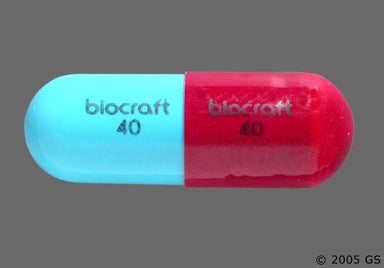
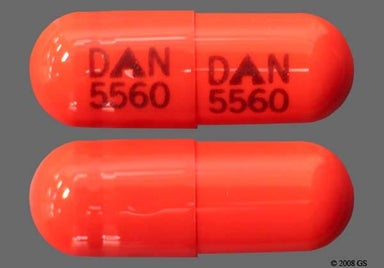
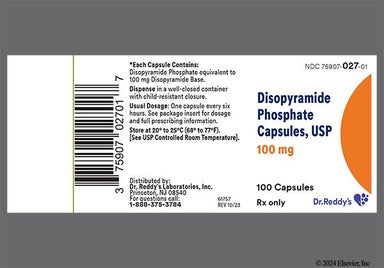
Disopyramide (Norpace) images