


Which Muscle Relaxers Are Best for Neck and Back Pain?
Muscle relaxers are medications that help your muscles unwind, relieving muscle stiffness and pain. Learn the names of common muscle relaxers and how they work.
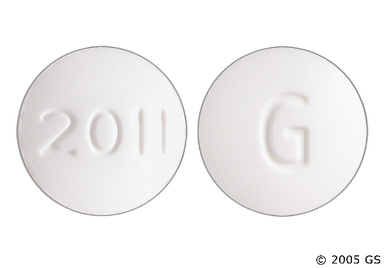
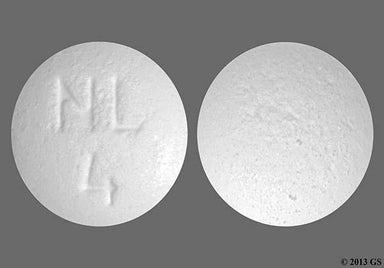
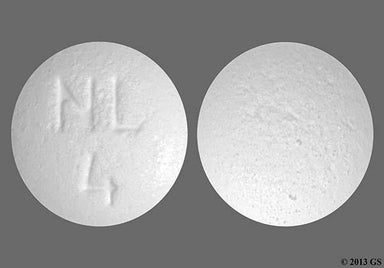
Orphenadrine citrate is a muscle relaxer that's used to relieve muscle pain and discomfort. It's often used together with other pain-relieving methods, such as resting and physical therapy. Orphenadrine is available as a tablet that's taken by mouth as well as an injection that's administered by a healthcare provider for certain situations. Side effects can include dry mouth, headache, and drowsiness. Orphenadrine is a generic medication; its brand-name version, Norflex, is no longer available.

Orphenadrine is a muscle relaxant. It's unclear how the medication works, but we know that it doesn't work directly on your muscles. Orphenadrine is thought to relieve muscle pain by working in the nervous system to block nerve signals between your spinal cord and muscles.
| Common Brands | Norflex |
|---|---|
| Drug Class | Muscle relaxant |
| Controlled Substance Classification | Not a controlled medication |
| Generic Status | Lower-cost generic available |
| Availability | Prescription only |

The following side effects may get better over time as your body gets used to the medication. Let your healthcare provider know immediately if you continue to experience these symptoms or if they worsen over time.
Contact your healthcare provider immediately if you experience any of the following.
Along with its needed effects, a medicine may cause some unwanted effects. Although not all of these side effects may occur, if they do occur they may need medical attention.
Check with your doctor immediately if any of the following side effects occur:
Rare
chills
hallucinations (seeing, hearing, or feeling things that are not there)
headache
shortness of breath, troubled breathing, tightness in chest, and/or wheezing
skin rash, hives, itching, or redness
sores, ulcers, or white spots on lips or in mouth
swollen and/or painful glands
unusual bruising or bleeding
unusual tiredness or weakness
Incidence not known
Abdominal or stomach pain
fainting
fast, pounding irregular heartbeat or pulse
joint or muscle pain
numbness or tingling of face, hands, or feet
redness and soreness of eyes
swelling of feet or lower legs
vomiting
Get emergency help immediately if any of the following symptoms of overdose occur:
Symptoms of Overdose
Blurred vision
confusion, delirium, or hallucinations
difficult urination
drowsiness
dry eyes, mouth, nose, or throat
flushing or redness of face
troubled breathing
Some side effects may occur that usually do not need medical attention. These side effects may go away during treatment as your body adjusts to the medicine. Also, your health care professional may be able to tell you about ways to prevent or reduce some of these side effects. Check with your health care professional if any of the following side effects continue or are bothersome or if you have any questions about them:
Less common or rare
Dizziness or lightheadedness
excitement, irritability, nervousness, or restlessness
headache
muscle weakness
unusually large pupils of eyes
Other side effects not listed may also occur in some patients. If you notice any other effects, check with your healthcare professional.
Call your doctor for medical advice about side effects. You may report side effects to the FDA at 1-800-FDA-1088.




Orphenadrine can cause some serious health issues. This risk may be even higher for certain groups. If this worries you, talk to your doctor or pharmacist about other options.
You might briefly feel lightheaded, dizzy, or sleepy while you're taking orphenadrine. These side effects can affect your ability to focus, think, and react. Avoid drinking alcohol or taking other medications that make you tired with orphenadrine because they can make you feel even worse. Also don't do any activities that need your focus, such as driving a car or operating machinery, until you know how this medication affects you. Let your provider know if the lightheadedness, dizziness, or sleepiness from orphenadrine starts to negatively affect your daily life.
Some people taking orphenadrine have had fast or irregular heartbeats. For this reason, tell your provider if you have any heart problems before you start orphenadrine. This medication should be used with caution in people with heart rhythm problems or severe heart failure. Let your provider know if you experience any abnormal heart beats or worsening symptoms of your heart problem while you're taking orphenadrine.

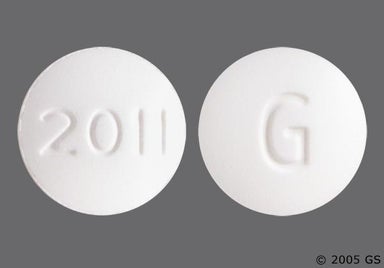
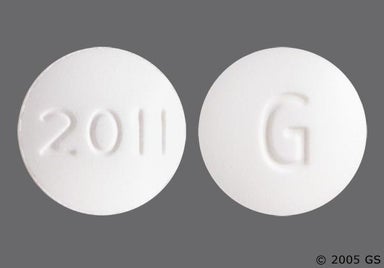
 Tablet
| Dosage | Quantity | Price as low as | Price per unit |
|---|---|---|---|
| 100mg | 20 tablets | $17.66 | $0.88 |

Although certain medicines should not be used together at all, in other cases two different medicines may be used together even if an interaction might occur. In these cases, your doctor may want to change the dose, or other precautions may be necessary. When you are taking this medicine, it is especially important that your healthcare professional know if you are taking any of the medicines listed below. The following interactions have been selected on the basis of their potential significance and are not necessarily all-inclusive.
Using this medicine with any of the following medicines is usually not recommended, but may be required in some cases. If both medicines are prescribed together, your doctor may change the dose or how often you use one or both of the medicines.
Using this medicine with any of the following medicines may cause an increased risk of certain side effects, but using both drugs may be the best treatment for you. If both medicines are prescribed together, your doctor may change the dose or how often you use one or both of the medicines.


Contraindications are specific health conditions or situations in which a person should not take a medication due to safety concerns. If you have any of the following conditions or if any of the following apply to you, let your healthcare provider know because Orphenadrine will not be safe for you to take.




Prescription savings
Stop paying too much for your prescriptions. Compare prices, get pharmacy coupons, and save up to 80%. Find expert answers to your health questions so you can make the best decisions for yourself and your family.
Health conditions
Medications & treatment
Access & affordability
Medication discounts


It's not recommended to take 200 mg (two 100 mg tablets) of Orphenadrine ER all at once. This can be dangerous and lead to serious side effects like vomiting, extreme sleepiness or dizziness, fast heartbeat, changes in vision, distress, and confusion. Make sure to take Orphenadrine ER as instructed by your provider (usually, one 100 mg tablet twice a day). This lowers your risk for these serious side effects.
Orphenadrine ER is a type of painkiller called a muscle relaxant. It helps relieve pain from muscle spasms and other short-term (acute) muscle-related pain.
Orphenadrine ER can start to work within 1 hour after you take the medication by mouth. In addition, in a small study, people with muscle cramps related to liver problems who took Orphenadrine ER reported that their muscle cramps didn't last as long and that their pain greatly improved after a month of treatment.
It's possible to take Orphenadrine ER and ibuprofen (Advil) together because these two medications work differently to relieve pain. In fact, treatment guidelines recommend taking muscle relaxants like Orphenadrine ER in addition to ibuprofen (Advil) if ibuprofen (Advil) alone isn't enough to relieve pain. Keep in mind that ibuprofen (Advil) has its own set of risks. For this reason, it's best to speak with a provider first before taking Orphenadrine ER and ibuprofen (Advil) together to make sure it's safe for you to do so.
It isn't known whether Orphenadrine ER can cause harm to your unborn baby when it's taken during pregnancy. Discuss with your provider about the risks and benefits of taking this medication if you're pregnant or planning to become pregnant. In general, Orphenadrine ER is typically used during pregnancy only if it's clearly needed. If not, your provider might recommend other muscle relaxants or other pain medications that might be safer for you and your baby.
