Key takeaways:
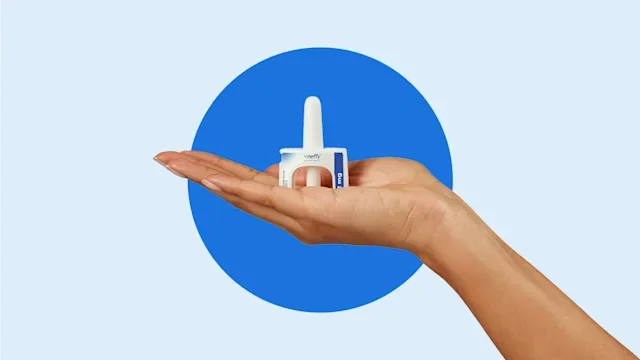
Neffy (epinephrine) is a nasal spray medication. It’s used for the emergency treatment of Type 1 allergic reactions, including anaphylaxis. Neffy is the first epinephrine nasal spray to be FDA approved.
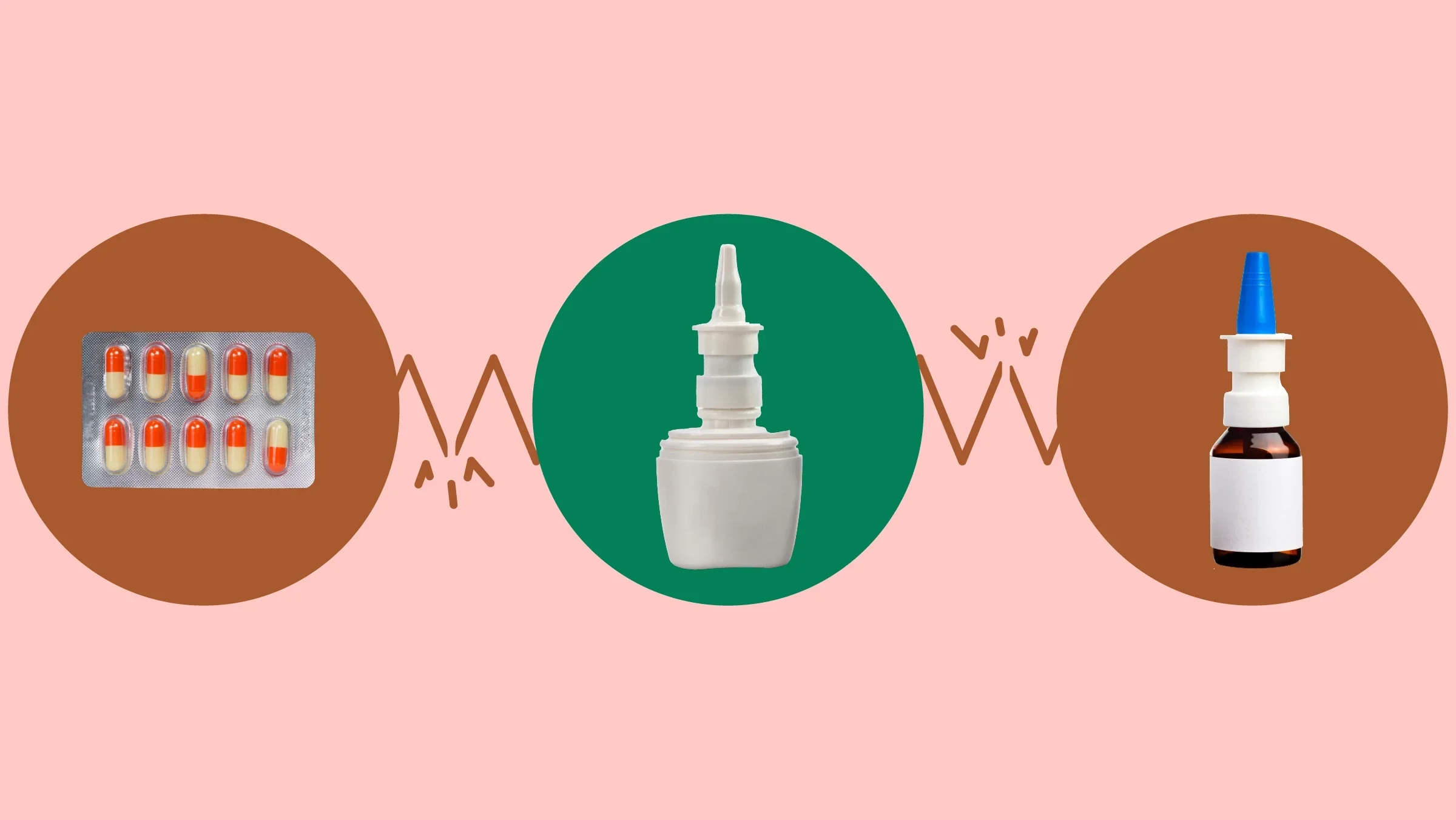
Neffy interacts with other nasal sprays. This is because it affects your nasal tissue. Neffy also interacts with certain heart medications, antidepressants, and antihistamines.
In many cases, you’ll still be able to use neffy even if you take other medications that interact with it. The benefits of treating severe allergic reactions typically outweigh the potential risks of drug interactions.
Keep your healthcare team up to date on your full medication list. And make sure to include any vitamins and supplements that you take. This will help them check for neffy interactions before they happen.
Save on related medications
If you’ve had a severe allergic reaction in the past, you’ve likely armed yourself with an EpiPen (epinephrine) just in case it happens again. But if you dislike injections or have a fear of needles, you might want to consider a newer option. It’s called neffy (epinephrine).
Neffy is a first-of-its-kind epinephrine nasal spray. It treats severe Type 1 allergic reactions, including anaphylaxis. Neffy is FDA approved for adults and children ages 4 and older who weigh at least 33 lbs (15 kg).
Neffy is safe and effective. But that doesn’t mean it’s totally risk-free. One potential concern is drug interactions. Neffy can sometimes influence how other medications work. In other cases, certain medications may affect neffy’s performance.
Search and compare options
So what should you know about neffy interactions?
Neffy interactions at a glance
Neffy interacts with several medications. But in many cases, it’s still recommended to use neffy even if an interaction is present.That’s because treating severe allergic reactions can be lifesaving. And that typically outweighs the potential risks that drug interactions might pose.
Review your medication list with your prescriber and pharmacist so they can check for possible interactions.
Neffy interactions include:
Other nasal sprays
Antiarrythmics, such as amiodarone (Pacerone)
Other heart medications, such as hydrochlorothiazide (Microzide)
Tricyclic antidepressants, such as amitriptyline
Monoamine oxidase inhibitors (MAOIs), such as phenelzine (Nardil)
Certain antihistamines, such as diphenhydramine (Benadryl)
Levothyroxine (Synthroid, Unithroid, others)
Alpha blockers, such as tamsulosin (Flomax)
Beta blockers, such as metoprolol (Lopressor, Toprol XL)
Ergot alkaloids, such as ergotamine / caffeine (Migergot)
Here, we’ll discuss eight neffy interactions to know about.
1. Other nasal sprays
Neffy can interact with other nasal sprays. This is because neffy can alter the tissue that lines your nasal cavity for up to 2 weeks after you use it. This can cause your body to absorb other nasal sprays more than usual. If your body absorbs more of these medications, the risk of side effects can increase.
Nasal sprays for allergies and nasal congestion are some of the most used nasal products. A few examples of over-the-counter (OTC) nasal sprays that neffy might affect are:
Azelastine (Astepro)
Mometasone (Nasonex)
Fluticasone propionate (Flonase)
Oxymetazoline (Afrin)
Triamcinolone (Nasacort)
There are also many prescription nasal sprays. A couple examples are beclomethasone (Qnasl) and azelastine / fluticasone (Dymista).
If you recently had to use neffy, you’re at a higher risk of experiencing nasal spray side effects. This risk will decrease a few weeks after administering neffy. Talk to a healthcare professional if you’re having any new symptoms that you think may be related to this.
2. Antiarrhythmics and other heart medicines
Neffy interacts with certain heart medications — namely those that are used to treat abnormal heartbeats. Using neffy while one of these medications is in your system may raise your risk of developing chest pain (angina). It can also raise your risk of abnormal heart rhythms, including ventricular arrhythmias. Untreated arrhythmias can be dangerous.
Antiarrhythmic medications to keep in mind include amiodarone, dofetilide (Tikosyn), and flecainide. Another medication Neffy can affect is digoxin (Lanoxin). It can also interact with diuretics (water pills) such as hydrochlorothiazide and furosemide (Lasix).
Since epinephrine is a lifesaving medication, it’s usually recommended to use it when you need it. This applies even if you’re taking a heart medication. However, you should still take precautions after administering a dose of neffy. Tell your cardiologist if you recently had to use neffy. They may want to check in with you to see how your heart is doing.
3. Certain antidepressants
Certain antidepressants may also interact with neffy. Tricyclic antidepressants and MAOIs may amplify the effects of epinephrine. These medications are prescribed to treat depression, Parkinson’s disease, and other conditions.
Notable tricyclic antidepressants include:
Clomipramine (Anafranil)
Desipramine (Norpramin)
Amoxapine
Doxepin (Silenor, Zonalon)
Imipramine
Nortriptyline
Notable MAOIs include:
Phenelzine
Selegiline (Emsam, Zelapar)
Isocarboxazid (Marplan)
Tranylcypromine (Parnate)
These types of antidepressants can increase the risk of short-term neffy side effects. These include higher blood pressure, faster heart rate, and headaches. Anxiety, sweating, and nausea are also possible.
If you’re concerned about this interaction, you might be able to switch to an antidepressant that doesn’t interact with neffy. Talk to a healthcare professional if you want to make this change. Selective serotonin reuptake inhibitors (SSRIs) and serotonin and norepinephrine reuptake inhibitors (SNRIs) are very common, and they aren’t known to interact.
4. Some antihistamines
Certain antihistamines also interact with neffy. Again, they can amplify the effects of neffy when combined. Increased epinephrine activity raises the risk of experiencing side effects.
Some common antihistamines that interact with neffy are chlorpheniramine (Aller-chlor) and diphenhydramine. These first-generation antihistamines are often found in OTC cough and cold products. And they tend to make you drowsy.
It’s a good idea to monitor your blood pressure more closely if neffy and one of these antihistamines are in your system at the same time.
Keep in mind: If you think you’re having an allergic reaction, you may be tempted to reach for an antihistamine. But in cases of severe allergic reaction or anaphylaxis, antihistamines aren’t a substitute for epinephrine.
5. Levothyroxine
Levothyroxine is a common medication for treating hypothyroidism. It interacts with neffy in a similar fashion. Levothyroxine may increase the effects of neffy in the body, worsening the risk of developing side effects. These include high blood pressure, palpitations, and tremors.
If you take levothyroxine every day, keep an eye out for these types of side effects after using neffy. Let your healthcare team know if they get worse or don’t go away on their own.
6. Alpha blockers
Another group of medications that interact with neffy are alpha blockers. Alpha blockers include medications such as prazosin (Minipress), doxazosin (Cardura), and tamsulosin. Alpha blockers are typically prescribed to manage high blood pressure and benign prostatic hyperplasia (BPH).
These medications have conflicting effects. Neffy causes your blood pressure and heart rate to rise. But alpha blockers can block this effect.
It isn't necessary to avoid alpha blockers when using neffy. But it’s important to note that alpha blockers may reduce its effectiveness. If you’re having a severe allergic reaction that isn’t getting better, call 911 or seek emergency medical attention right away.
7. Beta blockers
Neffy also interacts with a group of medications known as beta blockers. These are typically prescribed to treat high blood pressure and certain heart conditions.
Some beta blockers are cardioselective, meaning they work primarily in your heart. This includes medications such as metoprolol and atenolol (Tenormin). Other beta blockers are nonselective. This means they work more broadly throughout your body. Examples of nonselective beta blockers include propranolol (Inderal LA) and carvedilol (Coreg).
The consequence of this interaction depends on the beta blocker you’re prescribed. Nonselective beta blockers may hypothetically amplify neffy's effects on blood pressure. This could potentially lead to a meaningful blood pressure increase. In contrast, cardioselective beta blockers may cause neffy to work less well.
Talk to your cardiologist if you take a daily beta blocker. They can help you develop an action plan in case you need to administer neffy. And if you do need to use neffy, your healthcare team will likely monitor your blood pressure and heart rate closely while you’re recovering from your allergic reaction.
8. Ergot alkaloids
Ergot alkaloids are an older group of medications that are sometimes used to treat migraines. They’re another type of medication that can interact with neffy. Ergot alkaloids include medications such as ergotamine / caffeine and dihydroergotamine (Migranal, Atzumi, Trudhesa).
Ergot alkaloids can narrow your blood vessels. They can severely raise your blood pressure when paired with neffy. This can lead to a hypertensive emergency. They can also cancel out some of neffy’s critical effects on the body during a severe allergic reaction. It's usually not recommended to take ergot alkaloids with neffy.
Talk to a healthcare professional about alternative medications to treat migraine headaches. Many newer migraine medications are available that don’t interact with neffy.
How to save on neffy
There are ways to save on neffy, which is available as a brand-name medication. GoodRx can help you navigate between GoodRx coupons, copay savings cards, and patient assistance programs to save money on your prescription.
Save with GoodRx: Anyone with a valid prescription, regardless of insurance status, can use GoodRx to purchase 2 neffy nasal sprays (1 carton) at an exclusive cash price.
Save with a copay savings card: If you have commercial insurance, you may be eligible to pay as little as $0 per prescription for neffy using a savings card from the manufacturer.
Save with a patient assistance program: If you’re uninsured or underinsured, you may be eligible for neffy’s patient assistance program, which offers the medication free of charge.
Frequently asked questions
No, neffy is not available over the counter. Purchasing it requires a prescription from a licensed healthcare professional.
Yes, epinephrine causes vasoconstriction (narrowed blood vessels). This helps redirect blood to the most critical organs and raise blood pressure.
People often think of increased blood pressure as a bad thing. But during severe allergic reactions, it’s a good thing. One of the most dangerous symptoms of a severe allergic reaction is very low blood pressure. Epinephrine helps keep your blood pressure higher so that oxygen-rich blood can continue to circulate through your body.
Most epinephrine products, such as an EpiPen, are administered with an injection. But neffy is unique. It’s the only epinephrine product that’s administered as a nasal spray. This makes it an appealing option for people who are afraid of needles.
No, neffy is not available over the counter. Purchasing it requires a prescription from a licensed healthcare professional.
Yes, epinephrine causes vasoconstriction (narrowed blood vessels). This helps redirect blood to the most critical organs and raise blood pressure.
People often think of increased blood pressure as a bad thing. But during severe allergic reactions, it’s a good thing. One of the most dangerous symptoms of a severe allergic reaction is very low blood pressure. Epinephrine helps keep your blood pressure higher so that oxygen-rich blood can continue to circulate through your body.
Most epinephrine products, such as an EpiPen, are administered with an injection. But neffy is unique. It’s the only epinephrine product that’s administered as a nasal spray. This makes it an appealing option for people who are afraid of needles.
The bottom line
Neffy is a first-of-its-kind formulation of epinephrine that’s available as a nasal spray. It treats severe Type 1 allergic reactions, including anaphylaxis. Neffy interacts with many other medications. Common neffy interactions include other nasal sprays, certain heart medications, and some antidepressants.
In many cases, it’s recommended to use neffy if you need it even if an interaction is present. This is because the benefits of treating a severe allergic reaction typically outweigh the potential risks of an interaction. Before you start neffy, show your prescriber and pharmacist your full medication list. They can help you identify and avoid any interactions that may happen with neffy.

Why trust our experts?




References
Bright, D. M., et al. (2023). Food allergies: Diagnosis, treatment, and prevention. American Family Physician.
Dalal, R., et al. (2024). Epinephrine. StatPearls.
Impel Pharmaceuticals. (2025). Trudhesa- dihydroergotamine mesylate spray, metered [package insert]. DailyMed.
SportPharm. (2026). Neffy- epinephrine spray [package insert]. DailyMed.