


What Is Serotonin Syndrome? What You Need to Know If You Take SSRIs
Serotonin syndrome is a reaction to commonly prescribed medications and supplements. Learn what serotonin syndrome is, what causes it, and how to treat it.
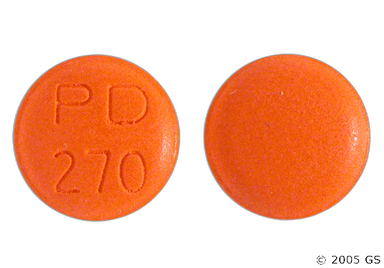
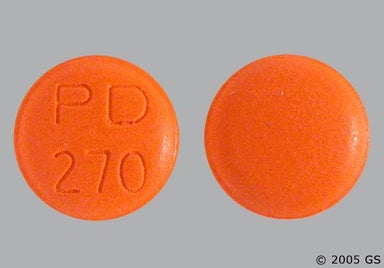
Phenelzine sulfate, also known by its brand name Nardil, is used to treat adults with depression. This medication is a tablet that's taken by mouth. Phenelzine (Nardil) belongs to the drug class called monoamine oxidase inhibitors (MAOIs), which are generally not a first-choice option for depression. This is because the medication has many food and drug interactions. Phenelzine (Nardil) can also cause several bothersome side effects, such as sleepiness, weight gain, and sexual health problems.

Phenelzine (Nardil) is a monoamine oxidase inhibitor (MAOI). It works by blocking MAO type A (MAO-A) and MAO type B (MAO-B), which are proteins in the body that break down certain chemicals like dopamine, serotonin, and norepinephrine in the brain. These chemicals play a role in regulating mood.
By blocking MAO-A and MAO-B, phenelzine (Nardil) keeps the levels of these chemicals high in the brain. This is thought to help treat symptoms of depression.
| Common Brands | Nardil |
|---|---|
| Drug Class | MAOI |
| Controlled Substance Classification | Not a controlled medication |
| Generic Status | Lower-cost generic available |
| Availability | Prescription only |

The following side effects may get better over time as your body gets used to the medication. Let your healthcare provider know immediately if you continue to experience these symptoms or if they worsen over time.
Contact your healthcare provider immediately if you experience any of the following.
Along with its needed effects, a medicine may cause some unwanted effects. Although not all of these side effects may occur, if they do occur they may need medical attention.
Check with your doctor immediately if any of the following side effects occur:
More common
Chills
cold sweats
confusion
dizziness, faintness, or lightheadedness when getting up from a lying or sitting position
overactive reflexes
shakiness in the legs, arms, hands, or feet
sudden jerky movements of the body
swelling
trembling or shaking of the hands or feet
Less common
Abdominal or stomach pain
actions that are out of control
burning, crawling, itching, numbness, prickling, "pins and needles", or tingling feelings
change in consciousness
clay-colored stools
dark urine
decrease in frequency of urination
decrease in urine volume
difficult or troubled breathing
difficulty in passing urine (dribbling)
disorganized thoughts
dizziness
drowsiness
false or unusual sense of well-being
fast, pounding, or irregular heartbeat or pulse
fear or nervousness
general feeling of discomfort, illness, or weakness
headache
increased sweating
irregular, fast or slow, or shallow breathing
irritability
lack of emotion or feelings
loss of appetite
loss of consciousness
loud or fast speech
muscle tremors
muscle twitching
nausea or vomiting
nervousness
no emotion or expression in speech
pale or blue lips, fingernails, or skin
rapid, deep, or shallow breathing
rash
restlessness
seeing or hearing things that are not there
seizures
shakiness and unsteady walk
shortness of breath
slow or irregular heartbeat
stomach cramps
sweating
swelling of the feet or lower legs
talking, feeling, and acting with excitement
uncontrolled eye movements
unpleasant breath odor
unsteadiness, trembling, or other problems with muscle control or coordination
unusual paleness
unusual tiredness or weakness
vomiting of blood
weakness
yellow eyes or skin
Some side effects may occur that usually do not need medical attention. These side effects may go away during treatment as your body adjusts to the medicine. Also, your health care professional may be able to tell you about ways to prevent or reduce some of these side effects. Check with your health care professional if any of the following side effects continue or are bothersome or if you have any questions about them:
More common
decreased interest in sexual intercourse
inability to have or keep an erection
indigestion
loss in sexual ability, desire, drive, or performance
loss of appetite
not able to have an orgasm
passing of gas
stomach pain, fullness, or discomfort
trouble sleeping
unable to sleep
unusually deep sleep
unusually long duration of sleep
Less common
Blindness
blurred vision
decreased vision
redness, swelling, or soreness of the tongue
tearing
Other side effects not listed may also occur in some patients. If you notice any other effects, check with your healthcare professional.
Call your doctor for medical advice about side effects. You may report side effects to the FDA at 1-800-FDA-1088.




Phenelzine (Nardil) can cause some serious health issues. This risk may be even higher for certain groups. If this worries you, talk to your doctor or pharmacist about other options.
 Taking phenelzine (Nardil) can make your depression worse. It might also cause you to have thoughts of suicide or thoughts of harming yourself. The risk is highest if you're 24 years of age or younger, during the first few weeks of taking the medication, and when your dose changes.
 Let your prescriber know if you or anyone around you notices that your depression gets worse or that you have unusual behavior like anxiety, panic attacks, feeling angry or irritated, and restlessness while you're taking phenelzine (Nardil). Call 911 right away if you have any suicidal thoughts.
Depression can be the first sign of bipolar disorder. Taking antidepressants, like phenelzine (Nardil), by themselves can lead to a bipolar manic episode in people at risk for bipolar disorder.
Before you start taking phenelzine (Nardil), your prescriber will check to see whether you have or are at risk for bipolar disorder. Phenelzine (Nardil) isn't used to treat bipolar depression. Talk to your healthcare team right away if you or your loved ones notice unusual changes in your behavior. Signs of a bipolar manic episode include racing thoughts, restlessness, getting easily distracted, or unusual talkativeness.
Although rare, people can have dangerously high blood pressure while they're taking phenelzine (Nardil). The risk is higher if you eat tyramine-rich foods, like aged cheese, cured or smoked meats, and pickled or fermented food, while you're taking this medication. Talk with your healthcare team about what other types of foods and drinks to avoid.
In addition, taking certain medications with phenelzine (Nardil) can raise your risk for extremely high blood pressure. Be sure to let your healthcare team know about all the medication you take or plan to take. They can check your risk for dangerously high blood pressure and make changes to your treatment plan to keep you safe.
Let your prescriber know if you check your blood pressure regularly and it's consistently higher than usual. Extremely high blood pressure is a medical emergency. Stop taking phenelzine (Nardil) and call 911 right away if you have any symptoms of dangerously high blood pressure. Look out for severe or frequent headache, chest pain, a racing heart, confusion, and blurry vision.
Some people who take phenelzine (Nardil) with other medications that raise serotonin levels can have a rare, but potentially life-threatening condition called serotonin syndrome. These medications can include other antidepressants and certain other mental health medications. Let your prescribers know about all your medications so they can make sure it's safe for you to take your medications together.
Get medical help right away if you have any symptoms of serotonin syndrome. These symptoms can include fast heart rate, sweating, muscle stiffness or spasms, fever, and confusion.

 Tablet
| Dosage | Quantity | Price as low as | Price per unit |
|---|---|---|---|
| 15mg | 180 tablets | $43.35 | $0.24 |

Although certain medicines should not be used together at all, in other cases two different medicines may be used together even if an interaction might occur. In these cases, your doctor may want to change the dose, or other precautions may be necessary. When you are taking this medicine, it is especially important that your healthcare professional know if you are taking any of the medicines listed below. The following interactions have been selected on the basis of their potential significance and are not necessarily all-inclusive.
Using this medicine with any of the following medicines is not recommended. Your doctor may decide not to treat you with this medication or change some of the other medicines you take.
Using this medicine with any of the following medicines is usually not recommended, but may be required in some cases. If both medicines are prescribed together, your doctor may change the dose or how often you use one or both of the medicines.
Using this medicine with any of the following medicines may cause an increased risk of certain side effects, but using both drugs may be the best treatment for you. If both medicines are prescribed together, your doctor may change the dose or how often you use one or both of the medicines.


Contraindications are specific health conditions or situations in which a person should not take a medication due to safety concerns. If you have any of the following conditions or if any of the following apply to you, let your healthcare provider know because Phenelzine (Nardil) will not be safe for you to take.









Prescription savings
Stop paying too much for your prescriptions. Compare prices, get pharmacy coupons, and save up to 80%. Find expert answers to your health questions so you can make the best decisions for yourself and your family.
Health conditions
Medications & treatment
Access & affordability
Medication discounts

Yes, Phenelzine is a monoamine oxidase inhibitor (MAOI). It works to treat depression by stopping MAO-A and MAO-B proteins from working in the body. This raises the levels of certain chemicals in the brain that help regulate mood, such as serotonin, dopamine, and norepinephrine. MAOIs like Phenelzine aren't typically first-choice options for depression because they have a lot of potential side effects, drug interactions, and certain dietary restrictions.
Several over-the-counter and prescription medications can interact with Phenelzine and raise your risk for serious side effects. You shouldn't take Phenelzine with other medications that affect serotonin, such as other antidepressants, cough and cold medications containing dextromethorphan (Delsym), and migraine medications called triptans. You also shouldn't take Phenelzine with decongestants or certain weight loss medications. These interactions can raise your risk for extremely high blood pressure or serotonin syndrome. This isn't a complete list of medications that interact with Phenelzine. So it's important that your care team knows about all of the medications you take to make sure they're safe to take together.
You should avoid foods high in tyramine while you're taking Phenelzine. Examples can include aged cheese; yogurt; cured meats; soy sauce; and smoked, pickled, or fermented food. These types of foods contain a natural substance called tyramine. When you take an MAOI like Phenelzine, your body can't break down tyramine. Too much tyramine can cause a dangerous rise in blood pressure (called hypertensive crisis). Extremely high blood pressure is serious and can lead to symptoms like severe headache, vision changes, and trouble breathing. Contact your prescriber if you're having trouble avoiding foods that are high in tyramine. They might switch you to a different medication.
Similar to other antidepressants, Phenelzine can start to work to treat depression symptoms within 2 weeks. But it can take up to 2 months get the full benefit from the medication. So try to be patient and continue to take Phenelzine every day, even if you don't feel a difference at first. Contact your prescriber if you're concerned with how well or how quickly Phenelzine is working to help with your depression.
No. Phenelzine isn't a controlled substance because it doesn't have a risk of addiction or dependence.
You shouldn't drink alcohol while you're taking Phenelzine. Alcohol can worsen side effects from Phenelzine, like sleepiness, dizziness, and tiredness. Also, alcohol can worsen depression symptoms. In addition, aged or fermented alcohol (like beer or wine) can lead to a dangerous rise in blood pressure when combined with Phenelzine. Talk with your healthcare team if you regularly drink alcohol and it's difficult for you to stop. They can recommend resources to help you stop drinking or discuss other treatment options to help with your condition.
MAOIs like Phenelzine aren't recommended while pregnant. There aren't many studies about how safe they are during pregnancy. But animal studies show that baby animals had birth defects when pregnant animals were given MAOIs like Phenelzine. If you've been diagnosed with depression and are prescribed Phenelzine, make sure to let your prescriber or obstetrician-gynecologist (OB-GYN) know if you become pregnant or are planning to become pregnant. They'll need to switch you to a different medication that's safer for you and your baby.
