

IUD vs. Implant: What’s the Best Option for Long-Acting Birth Control?
Intrauterine devices (IUDs) and implants are very effective for birth control. But they don’t work quite the same way, and there are some side effects to be aware of.
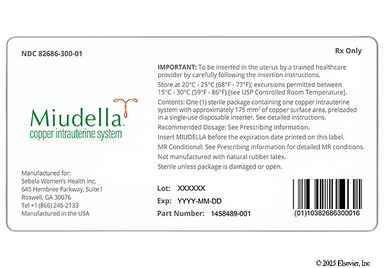
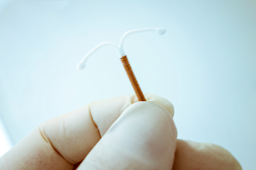
Miudella (copper IUD) is a new, hormone-free copper intrauterine device (IUD) FDA approved to prevent pregnancy for up to 3 years. It's a small, flexible device that a healthcare professional inserts into your uterus (womb). Since Miudella (copper IUD) contains less than half the copper of other copper IUDs, it's an option for those looking for a lower copper dose. Common side effects include heavy period bleeding, period cramps, and pelvic discomfort and pain.

Miudella (copper IUD) is a contraceptive, which means it helps prevent pregnancy. It works by continuously releasing a small amount of copper into the uterus. This interferes with sperm movement, making it harder for sperm to reach and fertilize an egg.
| Common Brands | Miudella |
|---|---|
| Drug Class | Contraceptive |
| Controlled Substance Classification | Not a controlled medication |
| Generic Status | No lower-cost generic available |
| Availability | Prescription only |

The following side effects may get better over time as your body gets used to the medication. Let your healthcare provider know immediately if you continue to experience these symptoms or if they worsen over time.
Note: These side effects were reported in 5% or more of people during clinical studies.
Contact your healthcare provider immediately if you experience any of the following.
Side effects that you should report to your care team as soon as possible:
Side effects that usually do not require medical attention (report these to your care team if they continue or are bothersome):




Miudella (copper IUD) can cause some serious health issues. This risk may be even higher for certain groups. If this worries you, talk to your doctor or pharmacist about other options.
 If Miudella (copper IUD) isn't inserted correctly, it can raise your risk of tears in the uterus, infection, abnormal bleeding, pregnancy loss (if pregnancy occurs with the IUD in place), or the IUD falling out. Because of this risk, Miudella (copper IUD) is only available through the Miudella REMS Program. This Risk Evaluation and Mitigation Strategies (REMS) program helps make sure that healthcare professionals are properly trained on how to insert Miudella (copper IUD) safely.
Although rare, it's possible to become pregnant while Miudella (copper IUD) is in place. If you think you might be pregnant, contact your healthcare professional right away because you'll need to get your IUD removed. Keeping Miudella (copper IUD) in place while pregnant can raise your risk for complications like infections, miscarriage, or having the baby too early.
Additionally, a pregnancy with Miudella (copper IUD) in place is more likely to be an ectopic pregnancy (pregnancy outside of the womb). But this is very rare. Symptoms of an ectopic pregnancy include low back pain, abnormal vaginal bleeding, and cramping. If you experience any of these symptoms, contact your prescriber right away.
In some rare cases, a life-threatening infection can develop within days after getting Miudella (copper IUD) inserted. This can sometimes lead to sepsis, a serious reaction that affects the whole body. Get medical help right away if you have severe pain within hours after insertion, fever, chills, or other signs of an infection, since delaying treatment can be deadly.
Though rare, getting Miudella (copper IUD) can raise your risk of pelvic infections, including pelvic inflammatory disease (PID) and inflammation of your uterine lining. If you already have either condition, you can't use Miudella (copper IUD). And if you develop these conditions while using it, your prescriber will need to remove your IUD. Contact your care team right away if you experience lower stomach or pelvic pain, smelly vaginal discharge, unexplained bleeding, fever, or vaginal sores. If left untreated, PID can cause serious problems like infertility, the need for surgery, infection, or even death.
Rarely, Miudella (copper IUD) can cause a tear or hole in the cervix or uterus during insertion. This could lead to pregnancy, infections, scar tissue, blockage in the intestines, or damage to nearby organs. One study suggested that the risk might be higher for people who recently gave birth or are breastfeeding. Contact your prescriber right away if you have severe pain or heavy bleeding during or after insertion, or if you can’t feel the IUD threads.
Miudella (copper IUD) can sometimes attach to the uterine wall, making it harder to remove. In some cases, surgery might be needed to take it out. If you have concerns, talk to your prescriber.
It's possible for Miudella (copper IUD) to partially or completely fall out, which means it won't protect against pregnancy. The risk might be higher if you've recently given birth. Contact your prescriber if you can't feel the threads or if you feel any other part of the IUD. If Miudella (copper IUD) is partially out, your prescriber will remove it — it shouldn't be pushed back in. If it's fully fallen out, a new one can be inserted once your prescriber confirms you're not pregnant.
If you have Wilson’s disease, a rare genetic condition that affects how your body gets rid of copper, you shouldn't use Miudella (copper IUD). This IUD contains copper, which can make this condition worse. Talk to your healthcare professional about other birth control options that are safer for you.
Miudella (copper IUD) can cause heavier and longer periods with spotting between cycles. If you have heavy bleeding, let your prescriber know right away so that they can check if everything is okay. They might recommend treatment or decide that removing Miudella (copper IUD) is the best option for you.
Before having any medical procedures or scans, always tell your care team that you have Miudella (copper IUD) in place. Some medical equipment that uses high levels of radiofrequency (RF) energy could cause tissue damage in people with Miudella (copper IUD).

The Miudella (copper IUD) is inserted into the uterus by a healthcare professional. It can remain in place for up to 3 years.

Contraindications are specific health conditions or situations in which a person should not take a medication due to safety concerns. If you have any of the following conditions or if any of the following apply to you, let your healthcare provider know because Miudella (copper IUD) will not be safe for you to take.




Prescription savings
Stop paying too much for your prescriptions. Compare prices, get pharmacy coupons, and save up to 80%. Find expert answers to your health questions so you can make the best decisions for yourself and your family.
Health conditions
Medications & treatment
Access & affordability
 Our monthly healthcare membership can help you save thousands on your prescription costs.
Resources

In a 3-year clinical study with around 1,600 females, Miudella was about 99% effective at preventing pregnancy. This means that about one pregnancy per 100 females happened each year while they were using Miudella.
It's not common for Miudella to stop your periods. If you miss a period, talk to your prescriber to find out the cause. If you think you might be pregnant, take a pregnancy test.
Weight gain wasn't commonly reported during clinical studies of Miudella. But you might gain weight for other reasons while using it. If you’re concerned about weight changes, talk to your prescriber.
Both Miudella and Paragard (copper IUD) are non-hormonal IUDs that contain copper to prevent pregnancy, but they have key differences. For one, Miudella can last up to 3 years, while Paragard (copper IUD) can be used for up to 10 years. Another difference is that Miudella contains less copper than Paragard (copper IUD). Talk to your healthcare professional to learn about additional differences between these two birth control options.
Miudella lasts for up to 3 years. You must have it removed after this time, but you can choose to get a new one inserted if you want to continue using it.
