methylergonovine
Methylergonovine (Methergine) is used to help control bleeding in women who are bleeding too much during delivery or after giving birth. It's typically taken 3 or 4 times a day, but shouldn't be used for more than 1 week. Possible side effects of methylergonovine (Methergine) include high blood pressure, stomach pain, nausea, and vomiting. This medication is available as both brand name (Methergine) and generic name (methylergonovine).


What is Methylergonovine (Methergine)?
What is Methylergonovine (Methergine) used for?
- Bleeding during delivery or after giving birth
How Methylergonovine (Methergine) works
Methylergonovine (Methergine) is an ergot derivative. It causes muscle contractions (tightening) in the uterus. This helps women get through the last part of labor and lessen the amount of bleeding.
Drug facts
| Common Brands | Methergine |
|---|---|
| Drug Class | Ergot derivative |
| Controlled Substance Classification | Not a controlled medication |
| Generic Status | Lower-cost generic available |
| Availability | Prescription only |

Side effects of Methylergonovine (Methergine)
The following side effects may get better over time as your body gets used to the medication. Let your healthcare provider know immediately if you continue to experience these symptoms or if they worsen over time.
Common Side Effects
- High blood pressure
Less Common Side Effects
- Headache due to high blood pressure
- Low blood pressure
- Stomach pain due to uterine contractions
- Nausea
- Vomiting
Methylergonovine (Methergine) serious side effects
Contact your healthcare provider immediately if you experience any of the following.
- Heart attack: chest pain or tightness, pain spreading to your left arm or neck, difficulty breathing
- Extremely high blood pressure: seizure, headache, blurry vision
The following Methylergonovine (Methergine) side effects have also been reported
Along with its needed effects, a medicine may cause some unwanted effects. Although not all of these side effects may occur, if they do occur they may need medical attention.
Check with your doctor immediately if any of the following side effects occur:
Rare
Blood in the urine
change in skin color
chest pain or discomfort
difficult or labored breathing
difficulty with swallowing
dizziness
fast, pounding, or irregular heartbeat or pulse
lightheadedness, dizziness, or fainting
pain or discomfort in the arms, jaw, back, or neck
pain, tenderness, or swelling of the foot or leg
puffiness or swelling of the eyelids or around the eyes, face, lips, or tongue
slow or fast heartbeat
skin rash
sweating
vomiting
Incidence not known
Burning, crawling, itching, numbness, prickling, "pins and needles", or tingling feelings
confusion
dizziness, faintness, or lightheadedness when getting up suddenly from a lying or sitting position
fainting
inability to speak
seizures
severe or sudden headache
slurred speech
temporary blindness
weakness in the arm or leg on one side of the body, sudden and severe
Some side effects may occur that usually do not need medical attention. These side effects may go away during treatment as your body adjusts to the medicine. Also, your health care professional may be able to tell you about ways to prevent or reduce some of these side effects. Check with your health care professional if any of the following side effects continue or are bothersome or if you have any questions about them:
Rare
Continuous ringing or buzzing or other unexplained noise in the ears
cramps in the legs
foul taste
increased sweating
Other side effects not listed may also occur in some patients. If you notice any other effects, check with your healthcare professional.
Call your doctor for medical advice about side effects. You may report side effects to the FDA at 1-800-FDA-1088.

Get your GoodRx coupon

Pros and cons of Methylergonovine (Methergine)
Pros
- Tablets work within 10 minutes to help with bleeding
- Available as a lower-cost generic medication
Cons
- Can't breastfeed while taking the medication
- Might need to take it multiple times a day
- Raises blood pressure

Pharmacist tips for Methylergonovine (Methergine)

- Methylergonovine (Methergine) is usually given in the hospital or clinic. But, if you're taking it at home, it's a good idea to check your blood pressure every day. This is because methylergonovine (Methergine) can raise your blood pressure. Let your provider know if your blood pressure is higher than usual.
- Don't breastfeed while taking methylergonovine (Methergine) and at least 12 hours after your last dose. This medication can pass into your breast milk and potentially harm your baby. Throw away any milk that you make during this time. Discuss with your provider about safe ways to feed your baby while you're taking methylergonovine (Methergine).
- It's possible for methylergonovine (Methergine) to make it harder for your body to produce milk. It's okay if you notice that you aren't making as much milk as you'd hope while taking this medication. Speak with your provider if you have any concerns about how much milk you're making during treatment.
- Methylergonovine (Methergine) can cause stomach pain and cramps since it works by making the muscles in your uterus contract (tighten). This medication can also cause nausea and vomiting. Let your provider know if these side effects are too bothersome or preventing you from eating or drinking.
- Tell your provider about all of the medications you're currently taking since methylergonovine (Methergine) can potentially interact with many different medications. Some interactions can lead to dangerous side effects (e.g., very high blood pressure, blood flow problems), while others can prevent methylergonovine (Methergine) from working as well.

Risks and warnings for Methylergonovine (Methergine)
Methylergonovine (Methergine) can cause some serious health issues. This risk may be even higher for certain groups. If this worries you, talk to your doctor or pharmacist about other options.
Don't breastfeed while taking methylergonovine (Methergine)
Don't breastfeed while taking methylergonovine (Methergine) and at least 12 hours after your last dose of medication. Methylergonovine (Methergine) can get into breast milk and harm your baby. Be aware that methylergonovine (Methergine) can also make it harder for your body to produce milk. So, don't be too concerned if you aren't making as much milk while taking this medication.
Risk of heart attack
- Risk factors: Heart disease | Risk of heart disease, such as smoking, obesity, high blood sugar (diabetes), or high cholesterol
Methylergonovine (Methergine) can tighten your blood vessels, which can make it hard for blood to reach your heart muscles. Not enough blood flow to the heart can lead to heart damage or even a heart attack. This is more likely to happen if you have problems with the arteries in your heart or if you're at high risk of having heart problems. It's important that your provider knows all of your medical conditions beforehand. Call 911 or get medical help right away if you experience chest pain or tightness, pain spreading to your left arm or neck, or difficulty breathing. These can be signs of a heart attack.

Methylergonovine (Methergine) dosage
 Tablet
| Dosage | Quantity | Price as low as | Price per unit |
|---|---|---|---|
| 0.2mg | 4 tablets | $30.15 | $7.54 |

Interactions between Methylergonovine (Methergine) and other drugs
Although certain medicines should not be used together at all, in other cases two different medicines may be used together even if an interaction might occur. In these cases, your doctor may want to change the dose, or other precautions may be necessary. When you are taking this medicine, it is especially important that your healthcare professional know if you are taking any of the medicines listed below. The following interactions have been selected on the basis of their potential significance and are not necessarily all-inclusive.
Using this medicine with any of the following medicines is not recommended. Your doctor may decide not to treat you with this medication or change some of the other medicines you take.
- Almotriptan
- Amprenavir
- Atazanavir
- Azithromycin
- Boceprevir
- Clarithromycin
- Cobicistat
- Darunavir
- Delavirdine
- Dirithromycin
- Eletriptan
- Erythromycin
- Fosamprenavir
- Frovatriptan
- Indinavir
- Itraconazole
- Josamycin
- Ketoconazole
- Letermovir
- Lopinavir
- Mepartricin
- Miokamycin
- Naratriptan
- Nefazodone
- Nelfinavir
- Posaconazole
- Ritonavir
- Rizatriptan
- Rokitamycin
- Roxithromycin
- Saquinavir
- Spiramycin
- Sumatriptan
- Telaprevir
- Telithromycin
- Tipranavir
- Troleandomycin
- Voriconazole
- Zolmitriptan
Using this medicine with any of the following medicines is usually not recommended, but may be required in some cases. If both medicines are prescribed together, your doctor may change the dose or how often you use one or both of the medicines.
- Dobutamine
- Dopamine
- Ephedrine
- Epinephrine
- Fluconazole
- Fluvoxamine
- Norepinephrine
- Phenylephrine
- Propatyl Nitrate
- Vasopressin

How much does Methylergonovine (Methergine) cost?

Methylergonovine (Methergine) contraindications
Contraindications are specific health conditions or situations in which a person should not take a medication due to safety concerns. If you have any of the following conditions or if any of the following apply to you, let your healthcare provider know because Methylergonovine (Methergine) will not be safe for you to take.
- High blood pressure
- Preeclampsia (high blood pressure during pregnancy)
- Currently pregnant

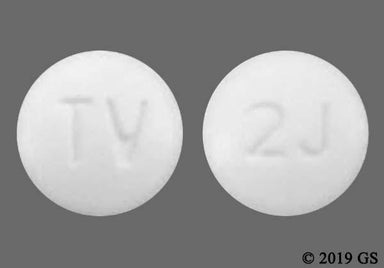
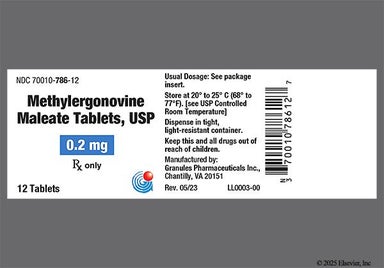
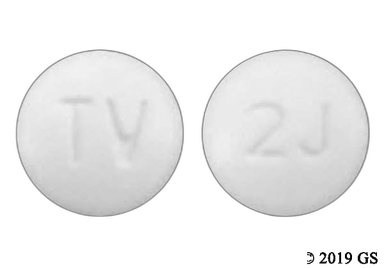
Methylergonovine (Methergine) images