Key takeaways:
Melatonin is a natural hormone that plays an important role in sleep.
Some foods naturally contain melatonin, including pistachios, tart cherries, mushrooms, and eggs.
Certain health conditions can lead to low melatonin levels. In healthy people, low melatonin can be due to aging or too much exposure to artificial light in the evenings.
Save on related medications
Melatonin is a hormone your body naturally makes in response to darkness. It plays an important role in regulating your sleep-wake cycle. But things like exposure to light at night, getting older, and other factors can interfere with melatonin production. Fortunately, some foods naturally contain melatonin, and other foods can help your body make more of it.
What are the top melatonin-rich foods?
Melatonin is produced by animals, plants, and microorganisms. Because of this, it’s naturally found in some foods and drinks.
But the amount of melatonin in food can vary widely. It depends on factors like the type of plant or animal product, how it was grown or raised, and how it was processed. Researchers also don’t fully know how well the body absorbs and uses melatonin found in foods.
Because of this, foods and drinks likely don’t contain enough melatonin to have a major impact on sleep. Melatonin supplements contain a more concentrated dose.
Here are some foods that naturally contain melatonin.
1. Nuts
Nuts are the richest plant source of melatonin. Pistachios and almonds are especially high in melatonin. As a bonus, pistachios also contain vitamin B6, which helps your body convert the amino acid tryptophan into melatonin. But roasting nuts may reduce their melatonin content. Look for raw pistachios, almonds, or other nuts for an evening snack — or anytime.
2. Fish
Fish is one of the richest animal-based sources of melatonin. One study found that children who ate fish at least once a week reported sleeping better than those who didn’t. Fish is also rich in omega-3 fatty acids, which have many benefits for health, including potentially improving sleep.
3. Milk
You may have heard the advice to drink a glass of warm milk before bed. Milk contains both melatonin and tryptophan, an amino acid that can influence relaxation and sleep.
Interestingly, the amount of melatonin in milk may depend on the time of day it was collected. Milk collected at night can have up to 10 times more melatonin than milk collected during the day. This applies to both cow’s milk and human breast milk.
Although research has yet to prove that a single glass of milk contains enough melatonin to make much of a difference in sleep, it can still be a soothing bedtime ritual.
4. Tart cherries
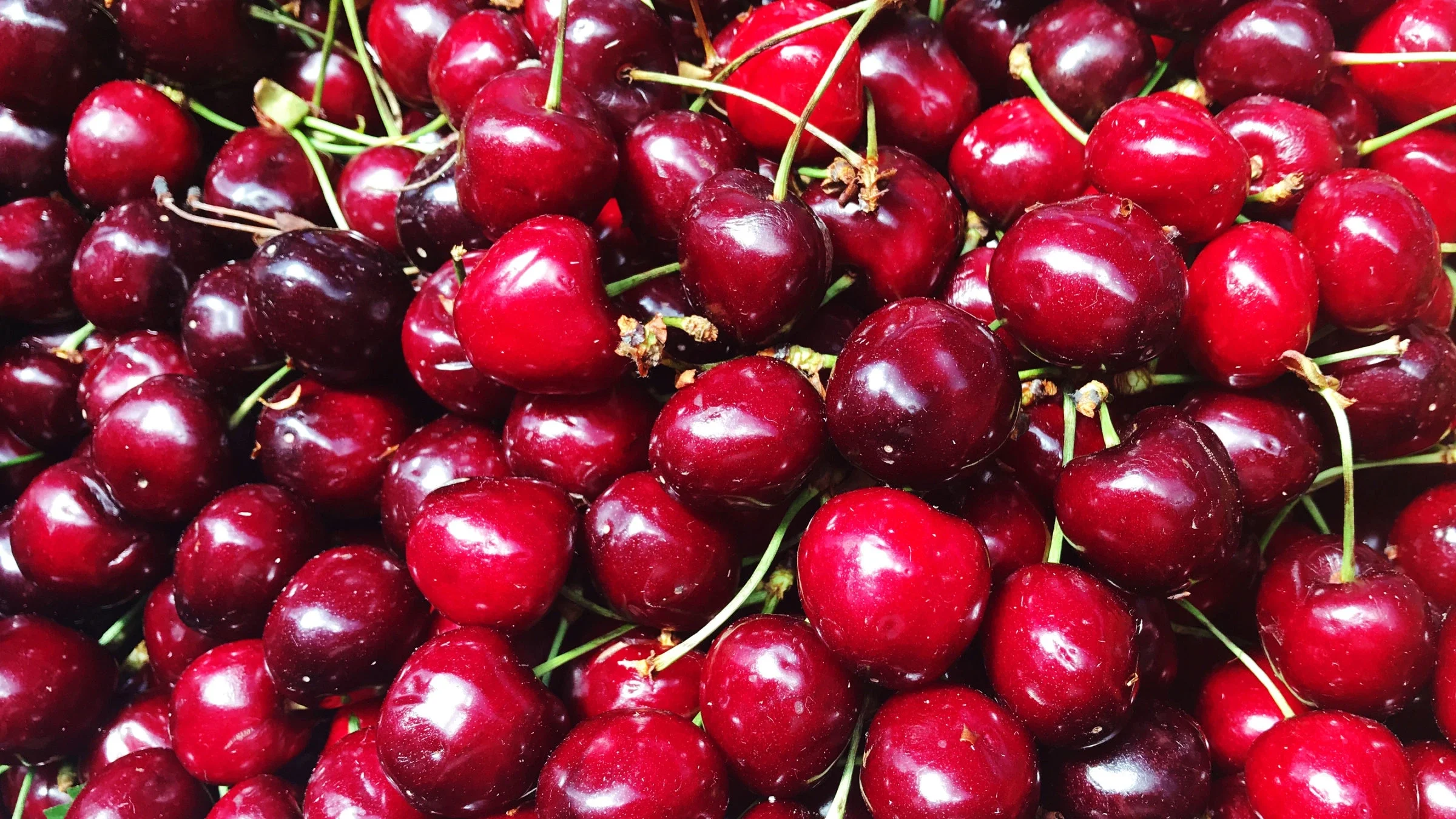
Tart cherries are rich in melatonin and have long been associated with sleep. For a concentrated dose of tart cherries, try tart cherry juice.
A few small studies — one on older adults with insomnia and another on healthy adults — found that cherry juice increased sleep time and quality. But the improvements were only by a small amount.
Keep in mind that tart cherry juice can be high in sugar. It’s best to limit the amount you drink to about 4 oz to 6 oz.
5. Mushrooms
Adding mushrooms to your favorite stir-fries, pasta dishes, and eggs can provide both melatonin and tryptophan. In one animal study, reishi mushrooms improved sleep in mice.
6. Eggs
Eggs are one of the richest animal sources of melatonin. They’re also highly nutritious, providing protein, vitamin D, and selenium.
Why is melatonin so important?
Melatonin helps regulate your circadian rhythm, also called your body’s internal clock. As darkness falls, your body produces more melatonin to signal that it’s time to sleep. This helps you fall asleep and keep a consistent sleep-wake cycle.
But melatonin does more than support sleep. Research suggests that it acts as an antioxidant by helping to protect your cells from damage caused by unstable molecules called free radicals. Research also suggests that melatonin may help reduce inflammation throughout your body.
Because of its effects on sleep and overall health, melatonin supplements are often used to help manage jet lag, sleep disorders, and anxiety before surgery.
What are the signs of low melatonin?
When your melatonin is low, it can make it harder to regulate normal sleep-wake cycles. This can lead to:
Trouble falling asleep
Waking up often during the night
Less total sleep time
Excessive daytime drowsiness
What causes low melatonin?
Several factors can interfere with melatonin production, including:
Evening exposure to blue light from electronics or other sources
Doing evening or overnight shift work
Some people are more likely to have low melatonin levels, including:
Older adults, since melatonin production decreases with age
People with Alzheimer’s disease
People with fibromyalgia
How can you boost your melatonin naturally?
Adding certain foods to your diet isn’t the only way to increase melatonin. Other ways to help increase or maintain your melatonin naturally include:
Soaking up the morning sun: Getting sunlight in the morning helps support a healthy circadian rhythm. This promotes normal melatonin production later in the day, which may help you fall asleep more easily at night. More melatonin is just one of many potential benefits of sunlight.
Limiting artificial light in the evening: Artificial light might help you stay focused and alert during the day. But it can interfere with your sleep at night. Research suggests that evening exposure to blue light may suppress melatonin, which could make it hard to fall asleep. Try to limit screen time and other artificial light sources in the evening.
Paying attention to caffeine intake and timing: Coffee and other sources of caffeine can also suppress melatonin, disrupt your circadian rhythm, and hurt your sleep. For better sleep, experts suggest cutting caffeine around 8 hours before bed.
Managing stress: Chronic stress may reduce serotonin, a chemical that helps produce melatonin. While it’s not always possible to cut all stress from your life, using stress-management techniques can help reduce it.
Frequently asked questions
Yes, grapes contain melatonin, and so do products made from grapes, like wine and grape juice. Grapes also contain resveratrol, a plant compound that may influence your body’s circadian rhythm and play a role in sleep regulation. But it’s important to note that the reason wine makes you sleepy is from the alcohol, not the small amount of melatonin in grapes.
Foods that naturally contain both melatonin and serotonin include tart cherries, walnuts, tomatoes, and grapes. Serotonin is a chemical messenger that is best known for its effects on mood. It also plays a role in other functions throughout your brain and body, including sleep. But foods that contain serotonin, melatonin, tryptophan, or a combination of these compounds may still support healthy sleep.
Yes, grapes contain melatonin, and so do products made from grapes, like wine and grape juice. Grapes also contain resveratrol, a plant compound that may influence your body’s circadian rhythm and play a role in sleep regulation. But it’s important to note that the reason wine makes you sleepy is from the alcohol, not the small amount of melatonin in grapes.
Foods that naturally contain both melatonin and serotonin include tart cherries, walnuts, tomatoes, and grapes. Serotonin is a chemical messenger that is best known for its effects on mood. It also plays a role in other functions throughout your brain and body, including sleep. But foods that contain serotonin, melatonin, tryptophan, or a combination of these compounds may still support healthy sleep.
The bottom line
Melatonin won’t magically turn a handful of pistachios or tart cherries into a sleeping pill. But including melatonin-rich foods in your diet may help support healthy sleep when combined with other sleep-supportive habits. Some helpful habits include getting morning sunlight, cutting back on evening screen time, and avoiding caffeine late in the day. If you have ongoing sleep problems, check in with a healthcare professional to see whether low melatonin or another issue could be playing a role.

Why trust our experts?




References
Cho, J. H., et al. (2021). Anti-inflammatory effects of melatonin: A systematic review and meta-analysis of clinical trials. Brain, Behavior, and Immunity.
dela Peña, I. J. I., et al. (2015). Milk collected at night induces sedative and anxiolytic-like effects and augments pentobarbital-induced sleeping behavior in mice. Journal of Medicinal Food.
Drugs and Lactation Database (LactMed). (2026). Melatonin. National Institute of Child Health and Human Development.
Hardeland, R. (2012). Neurobiology, pathophysiology, and treatment of melatonin deficiency and dysfunction. TheScientificWorldJournal.
Howatson, G., et al. (2011). Effect of tart cherry juice (Prunus cerasus) on melatonin levels and enhanced sleep quality. European Journal of Nutrition.
Leung, M., et al. (2016). Shift work, chronotype, and melatonin patterns among female hospital employees on day and night shifts. Cancer Epidemiology, Biomarkers & Prevention.
Masters, A., et al. (2014). Melatonin, the hormone of darkness: From sleep promotion to ebola treatment. Brain Disorders & Therapy.
Meng, J., et al. (2017). Melatonin in grapes and grape-related foodstuffs: A review. Food Chemistry.
Meng, X., et al. (2017). Dietary sources and bioactivities of melatonin. Nutrients.
Meyrel, M., et al. (2020). Alterations in circadian rhythms following alcohol use: A systematic review. Progress in Neuro-Psychopharmacology and Biological Psychiatry.
Milagres, M. P., et al. (2014). Night milking adds value to cow’s milk. Journal of the Science of Food and Agriculture.
Natarajan, R., et al. (2016). Protracted effects of chronic stress on serotonin dependent thermoregulation. Stress: The International Journal on the Biology of Stress.
National Center for Complementary and Integrative Health. (2024). Melatonin: What you need to know.
Newsom, R. (2025). How blue light affects sleep. SleepFoundation.org.
O’Callaghan, F., et al. (2018). Effects of caffeine on sleep quality and daytime functioning. Risk Management and Healthcare Policy.
Paroni, R., et al. (2019). Bioactive phytochemicals of tree nuts. Determination of the melatonin and sphingolipid content in almonds and pistachios. Journal of Food Composition and Analysis.
Patan, M. J., et al. (2021). Differential effects of DHA- and EPA-rich oils on sleep in healthy young adults: A randomized controlled trial. Nutrients.
Pigeon, W. R., et al. (2010). Effects of a tart cherry juice beverage on the sleep of older adults with insomnia: A Pilot study. Journal of Medicinal Food.
Reiter, R. J., et al. (2016). Melatonin as an antioxidant: under promises but over delivers. Journal of Pineal Research.
Spaleniak, W., et al. (2023). Resveratrol as a circadian clock modulator: Mechanisms of action and therapeutic applications. Molecular Biology Reports.
Tähkämö, L., et al. (2018). Systematic review of light exposure impact on human circadian rhythm. Chronobiology International.
University of Pennsylvania. (2017). Weekly fish consumption linked to better sleep, higher IQ. ScienceDaily.
U.S. Centers for Disease Control and Prevention. (2022). NIOSH training for nurses on shift work and long work hours.
Verde, A., et al. (2022). Melatonin content in walnuts and other commercial nuts. Influence of cultivar, ripening and processing (roasting). Journal of Food Composition and Analysis.
Yao, C., et al. (2021). Ganoderma lucidum promotes sleep through a gut microbiota-dependent and serotonin-involved pathway in mice. Scientific Reports.
You and Your Hormones. (2021). Melatonin.
Zhao, D., et al. (2019). Melatonin synthesis and function: Evolutionary history in animals and plants. Frontiers in Endocrinology.