Used for Menstrual Pain, Osteoarthritis, Pain, Rheumatoid Arthritis
Used for Menstrual Pain, Osteoarthritis, Pain, Rheumatoid Arthritis
Meclofenamate, a version of meclofenamic acid, is a nonsteroidal anti-inflammatory drug (NSAID) used for fever and pain. It's available as a lower-cost generic capsule. It's taken by mouth multiple times a day. Your dose depends on what condition you're treating. Some common side effects of meclofenamate include diarrhea, nausea, and vomiting.
Meclofenamate is a nonsteroidal anti-inflammatory drug (NSAID). It works by blocking proteins in your body (called cyclooxygenase or COX) that cause inflammation, pain, and swelling.
The following side effects may get better over time as your body gets used to the medication. Let your healthcare provider know immediately if you continue to experience these symptoms or if they worsen over time.
Common Side Effects
Diarrhea (10-33%)
Nausea with or without vomiting (11%)
Stomach upset or pain (10%)
Less Common Side Effects
Headache
Dizziness
Heartburn
Passing gas
Rash
Meclofenamate serious side effects
Contact your healthcare provider immediately if you experience any of the following.
Stomach bleeding: feeling faint, vomiting blood, bloody or dark stools, severe stomach pain or discomfort
Heart attack: chest pain or tightness, pain that radiates up to your shoulder, arm, neck, or jaw
Stroke: chest pain, trouble breathing, weakness in one part of your body or face, slurred speech
Heart failure: difficulty breathing, swelling, fast heartbeat
Liver problems: swelling of your stomach, yellowing of your skin or the whites of your eyes, confusion, dark or brown urine
Kidney problems: tiredness, dry and itchy skin, low appetite, urinating less than usual, foamy or bloody urine, muscle cramps
Allergic reactions: hives, rash, blisters, swelling of the lips or tongue, difficulty breathing
Bleeding—bloody or black, tar-like stools, vomiting blood or brown material that looks like coffee grounds, red or dark brown urine, small red or purple spots on skin, unusual bruising or bleeding
Heart attack—pain or tightness in the chest, shoulders, arms, or jaw, nausea, shortness of breath, cold or clammy skin, feeling faint or lightheaded
Kidney injury—decrease in the amount of urine, swelling of the ankles, hands, or feet
Liver injury—right upper belly pain, loss of appetite, nausea, light-colored stool, dark yellow or brown urine, yellowing skin or eyes, unusual weakness or fatigue
Redness, blistering, peeling, or loosening of the skin, including inside the mouth
Round red or dark patches on the skin that may itch, burn, and blister
Stroke—sudden numbness or weakness of the face, arm, or leg, trouble speaking, confusion, trouble walking, loss of balance or coordination, dizziness, severe headache, change in vision
Side effects that usually do not require medical attention (report these to your care team if they continue or are bothersome):
Can cause kidney, heart, liver, or bleeding problems
Needs to be taken 3 to 6 times per day
Pharmacist tips for Meclofenamate
You can take meclofenamate with or without food. But it's best to take it with food or milk to prevent getting an upset stomach as a side effect of the medication.
Don't drink alcohol while taking meclofenamate because it can raise your risk for stomach bleeds and stomach ulcers.
If you are allergic to aspirin, there is a chance you might be allergic to meclofenamate as well. Tell your provider about all your allergies.
Meclofenamate can interact with a lot of other common medications, such as blood pressure medications and blood thinners (including aspirin). Make sure to tell your provider about all of the medications you're taking or planning to take before starting meclofenamate. They can make sure your medications are safe for you to take together.
Store meclofenamate up and away from children and pets so they're less likely to reach and accidentally take the medication. If you think your child accidentally took the medication, call a Poison Control Center right away at 1-800-222-1222.
Risks and warnings for Meclofenamate
Meclofenamate can cause some serious health issues. This risk may be even higher for certain groups. If this worries you, talk to your doctor or pharmacist about other options.
Heart attack and stroke
Risk factors: History of heart problems, including heart attack | Taking high doses of meclofenamate | Taking meclofenamate for a long time | History of heart bypass surgery
Meclofenamate can raise your risk of having blood clots, heart attacks, or strokes. This can happen as early as within the first weeks of starting this medication. People with heart problems, those taking high doses of meclofenamate, and those taking meclofenamate for a long time have a higher risk of this happening. That’s why it’s important to take the lowest possible dose for the shortest possible time. If you have heart problems, talk to your healthcare provider before starting this medication. Don't take meclofenamate if you've had or will be having heart bypass surgery. Call 911 or seek immediate medical help if you experience chest pain, trouble breathing, weakness on one side of your body, or trouble speaking or walking.
Stomach bleeding and ulcers
Risk factors: History of stomach bleeding or ulcers | Older adults | Taking aspirin (Aspir-Low), other NSAIDs, corticosteroids, blood thinners, or SSRIs | Drinking alcohol | Smoking | Having poor health | Bleeding problems | Liver problems | Taking meclofenamate for a long time | Taking high doses of meclofenamate
Meclofenamate can cause stomach bleeding and ulcers, which can be dangerous. There are many conditions and medications that raise your risk of this problem, so speak with your provider before starting this medication. Stomach bleeding and ulcers can occur without warning or symptoms, so it's best to take the lowest possible dose for the shortest possible time to minimize your risk. If you notice blood in your vomit, stool that looks like black coffee grounds, or if you have pain in your stomach that doesn't go away, stop taking meclofenamate and talk to your healthcare provider right away.
High blood pressure and heart failure
Risk factors: Heart problems
Meclofenamate can cause your body to hold onto extra fluid, which can raise your blood pressure or put you at risk for heart failure. Tell your provider if you have a history of heart problems or are taking blood pressure medications before starting meclofenamate to make sure it's safe for you. Your provider will check for heart problems before they prescribe this medication to you. If you experience unexplained fainting, chest pain with physical activity, or irregular heartbeat while taking meclofenamate, contact your provider.
Kidney damage
Risk factors: Older adult | Kidney or liver problems | Heart failure | High blood sugar | Sepsis | Having high amounts of certain proteins in blood (paraproteinemia) | Not enough fluids in the body (dehydration) | Taking other medications that can cause kidney problems
Meclofenamate can cause kidney problems. Your risk is higher if you have certain factors like older age, certain medical problems like diabetes, or you're taking medications that can cause kidney problems. Your provider might order blood tests to monitor your kidney health before and during treatment with meclofenamate. If your kidney health worsens, your provider might stop your meclofenamate treatment. Contact your provider if you develop any signs or symptoms of kidney failure, including changes in your need to urinate, tiredness, dry and itchy skin, low appetite, and muscle cramps.
Severe allergic reactions
Risk factors: Aspirin allergy | NSAID allergy
Severe allergic reactions to meclofenamate are possible, including life-threatening reactions like facial swelling, shock, and anaphylaxis. Let your provider know if you have an allergy to aspirin or other NSAIDs before starting meclofenamate. If you notice hives, rash, red skin, swelling of the lips or tongue, or difficulty breathing after using meclofenamate, call for medical help as soon as possible.
Although rare, meclofenamate can cause serious skin reactions, such as rash, blisters, skin reddening, or skin peeling. If you notice changes in your skin, stop using meclofenamate and get medical attention right away.
Not for use during pregnancy or while breastfeeding
If you're pregnant or breastfeeding, talk to your provider first about the risk and benefits of meclofenamate before using this medication. Meclofenamate can cause harm to your unborn baby or complications during delivery if taken during the second half of pregnancy.
Meclofenamate dosage
The average cost for 30 capsules of 100mg of Meclofenamate is $59.97 with a free GoodRx coupon. This is 74.53% off the average retail price of $235.48.
Contraindications are specific health conditions or situations in which a person should not take a medication due to safety concerns. If you have any of the following conditions or if any of the following apply to you, let your healthcare provider know because Meclofenamate will not be safe for you to take.
Allergy to other NSAIDs
History of asthma, hives, or other allergic reactions after taking aspirin or another NSAID
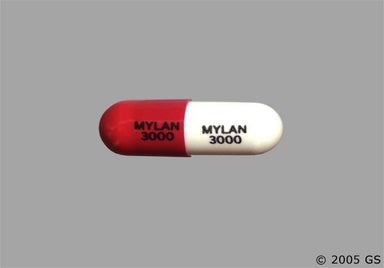
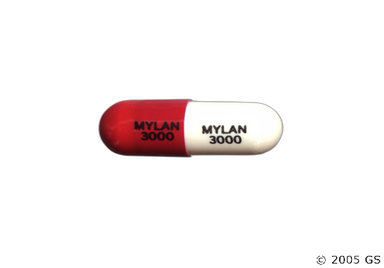
This medicine is Brown, White Capsule Imprinted With "Mylan 3000 Mylan 3000".Brown, White Capsule MYLAN 3000 MYLAN 3000 - Meclofenamate Sodium 100mg Capsule
GoodRx Health has strict sourcing policies and relies on primary sources such as medical organizations, governmental agencies, academic institutions, and peer-reviewed scientific journals. Learn more about how we ensure our content is accurate, thorough, and unbiased by reading our editorial guidelines.
Prescription savings
Stop paying too much for your prescriptions. Compare prices, get pharmacy coupons, and save up to 80%.
Plans start at $9.99/mo. (when paid yearly). Terms apply.
Common questions about Meclofenamate
You'll likely experience pain relief from NSAIDs, such as Meclofenamate, within a few hours after taking a dose. But if you're taking Meclofenamate for an inflammatory condition, like rheumatoid arthritis and osteoarthritis, you might start to feel relief from pain and swelling after a couple days. But it can take 2 to 3 weeks of treatment before you experience the full benefit of this medication. Talk with your provider if you're not sure whether Meclofenamate is working for you.
No, don't take ibuprofen (Advil) or other NSAIDs, including over-the-counter (OTC) NSAIDs, with Meclofenamate. Taking more than one NSAID can raise your risk for severe side effects, such as heart problems, kidney problems, or bleeding. If you need additional pain relief while taking Meclofenamate, talk with your provider. Depending on what condition you have, your provider can talk with you about other treatment options.
If you're prescribed Meclofenamate and become pregnant while taking the medication, stop using it and let your provider know right away. Research isn't clear about how safe NSAIDs similar to Meclofenamate are if taken by mothers during early pregnancy. But the FDA specifically says to avoid NSAIDs in pregnant females who are at least 20 weeks pregnant because it can cause kidney and heart problems to your unborn baby. Ask your provider about safer options for your pain.
There isn't enough information to know whether or not Meclofenamate is safe to take while breastfeeding. Because of the possible risk of harm to your nursing baby, you're recommended to take a different pain medication while breastfeeding. Discuss with your provider about possible treatment options for your pain.




 Meclofenamate can raise your risk of having blood clots, heart attacks, or strokes. This can happen as early as within the first weeks of starting this medication. People with heart problems, those taking high doses of meclofenamate, and those taking meclofenamate for a long time have a higher risk of this happening. That’s why it’s important to take the lowest possible dose for the shortest possible time. If you have heart problems, talk to your healthcare provider before starting this medication. Don't take meclofenamate if you've had or will be having heart bypass surgery. Call 911 or seek immediate medical help if you experience chest pain, trouble breathing, weakness on one side of your body, or trouble speaking or walking.