


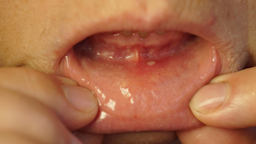
10 Medication Side Effects That Can Affect Your Mouth
Some medications cause mouth-related side effects, like dry mouth and burning mouth syndrome. Here are 10 common issues and medications that may cause them.
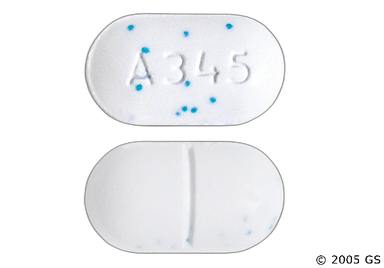
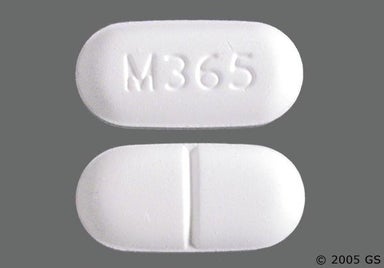
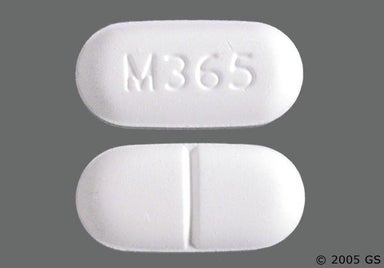
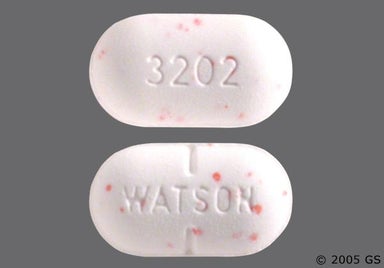
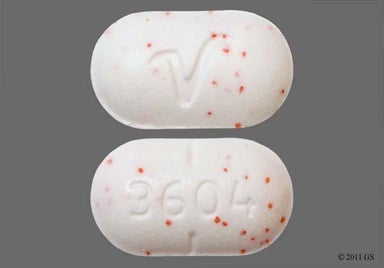
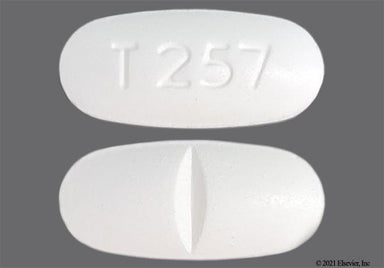
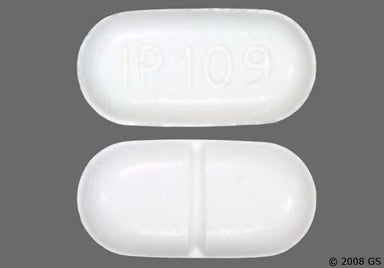
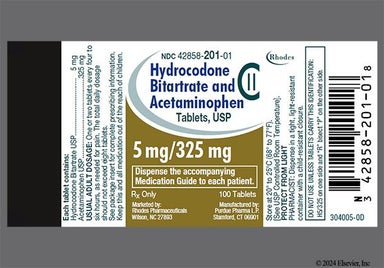
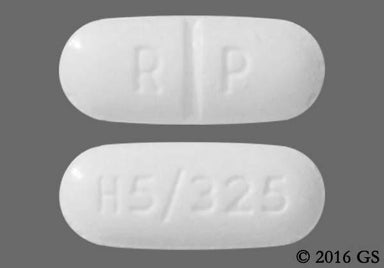
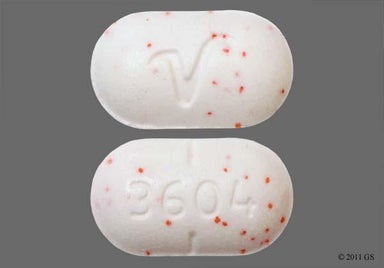
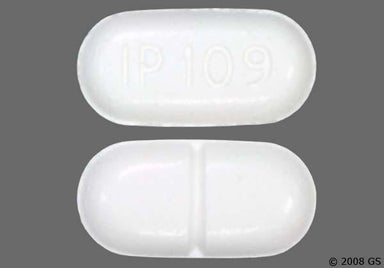
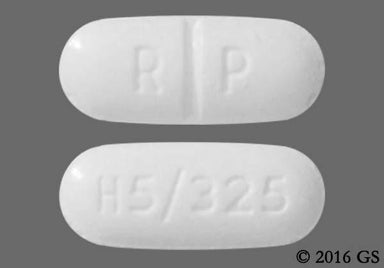
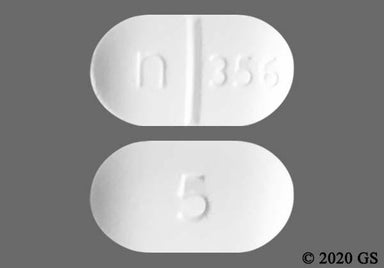
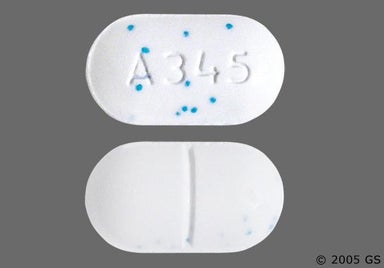
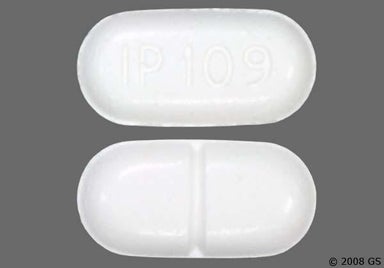
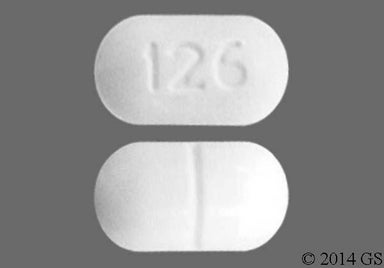
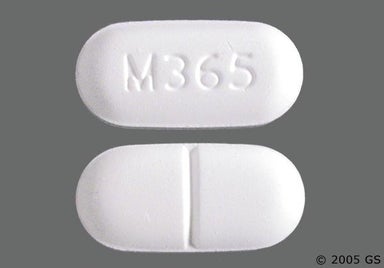
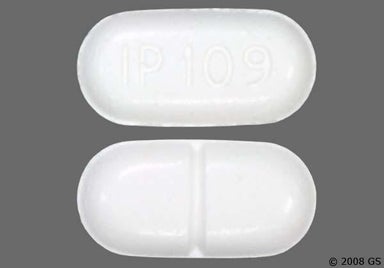
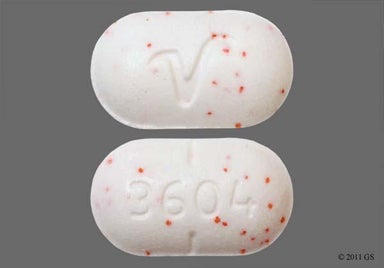
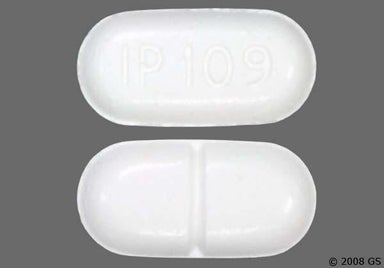
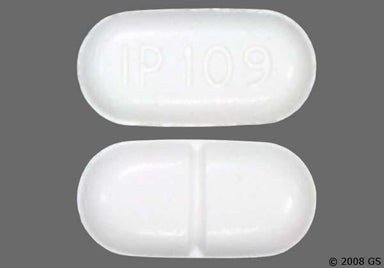
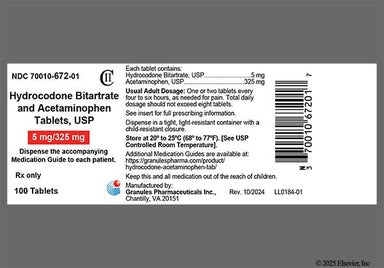
Lortab is a brand-name, combination medication containing hydrocodone (an opioid) and acetaminophen (an analgesic). It helps manage pain for people who don't get enough relief from non-opioid medications. Lortab (hydrocodone / acetaminophen) comes as tablets and a syrup that are taken by mouth. Common side effects include sleepiness and dizziness.
Please note: Lortab (hydrocodone / acetaminophen) has been discontinued and is no longer available in the United States. Talk to your prescriber about alternative options to manage your pain.

Lortab (hydrocodone / acetaminophen) is a combination of two medications that work together to treat pain.
| Common Brands | Lortab |
|---|---|
| Drug Class | Opioid / Analgesic |
| Controlled Substance Classification | Schedule II |
| Generic Status | Lower-cost generic available |
| Availability | Discontinued |

Lortab (hydrocodone / acetaminophen) can cause some serious health issues. This risk may be even higher for certain groups. If this worries you, talk to your doctor or pharmacist about other options.
 Lortab (hydrocodone / acetaminophen) is a controlled substance; it has a risk for misuse and addiction. Take the medication exactly as prescribed. Don't change the dose or how often you take it without talking to your prescriber.
 Misusing Lortab (hydrocodone / acetaminophen) might cause the medication to work less well. It can also raise the risk for serious and possibly life-threatening side effects, such as dangerously slow breathing, inability to stay awake, addiction, and opioid overdose. You'll be prescribed the lowest amount of Lortab (hydrocodone / acetaminophen) that's necessary to manage your pain for the shortest amount of time possible.
Because of the risk for misuse, addiction, and overdose, Lortab (hydrocodone / acetaminophen) is only available through a Risk Evaluation and Mitigation Strategy (REMS) program called the Opioid Analgesic REMS program. Your prescriber and pharmacy must register with the program, receive training on proper medication use, and discuss with you about safely taking Lortab (hydrocodone / acetaminophen).
Opioids like Lortab (hydrocodone / acetaminophen) can cause dangerously slow breathing, which can be life-threatening. This can happen to anyone and at recommended doses. But the risk is greatest when you first start treatment or when your dose goes up.
Don't drink alcohol while you're taking an opioid medication. And don't take opioids at the same time as other medications that slow your body down (e.g., benzodiazepines, muscle relaxants). Doing so raises your risk of extremely slowed breathing.
Your prescriber might write a prescription for naloxone (Narcan), a medication that can reverse slowed breathing from opioids. Carry it with you at all times. Use naloxone, call 911, and get medical help right away if you or your loved one notices that you have trouble breathing or have bluish-colored lips, fingers, or toes.
Take opioid medications like Lortab (hydrocodone / acetaminophen) exactly as prescribed. Taking too much or taking them more often than prescribed can lead to an overdose. It can also be very dangerous if someone accidentally swallows the medication. Keep the opioid medication out of reach from children, pets, or visitors to prevent accidental overdose.
Symptoms of an opioid overdose include not responding to sound or touch, extremely slowed breathing, extreme sleepiness, slow heartbeat, and cold or clammy skin. Be sure you and your loved ones know how to recognize an overdose. Your prescriber will probably write a prescription for naloxone (Narcan), a medication that can treat an opioid overdose. Carry naloxone with you at all times; use it and call 911 right away if an overdose happens.
Opioids can cause extreme sleepiness and lower your ability to think, react, and focus. Don't drink alcohol or take other medications that can cause sleepiness or "brain fog" (e.g., benzodiazepines, muscle relaxants, sleep medications) with Lortab (hydrocodone / acetaminophen). Doing so can worsen these side effects.
Be sure you know how opioid medications affect you before driving a car or doing activities that require your concentration. Talk to a healthcare professional (HCP) if you feel too sleepy after taking an opioid medication.
Lortab (hydrocodone / acetaminophen) contains acetaminophen. Taking too much acetaminophen can cause liver damage that can be life-threatening. The risk for liver damage is higher if you're taking more than one medication that contains acetaminophen, if you already have liver problems, or if you regularly drink alcohol.
Tell your prescriber about your medical history, especially if you have liver problems, before you take Lortab (hydrocodone / acetaminophen). Also avoid drinking alcohol while you're taking this medication. Your prescriber can discuss how much acetaminophen you can take per day depending on your age and your risk for liver damage.
Call an HCP right away if you notice any symptoms of liver damage. These symptoms can include tiredness, dark urine, upset stomach, stomach pain, or yellowing of the skin or whites of the eyes.
Lortab (hydrocodone / acetaminophen) can interact with a lot of medications. Be sure to tell your prescriber and pharmacist about the medications you're taking and planning to take with Lortab (hydrocodone / acetaminophen). Your care team can check that your medications are safe to take together. Also talk to your care team first before making any changes to your medications because sudden dose adjustments can also lead to harm.
Some interactions can raise the level of Lortab (hydrocodone / acetaminophen) in your body. This can raise your risk for serious side effects, including potentially life-threatening slowed breathing. Some examples of medications that interact with Lortab (hydrocodone / acetaminophen) in this way include erythromycin, ketoconazole, and ritonavir (Norvir).
Other drug interactions can lower the levels of Lortab (hydrocodone / acetaminophen) in your body. This can cause the opioid medication to work less well for pain and possibly lead to withdrawal symptoms. These interactions include taking the opioid medication with rifampin (Rifadin) or carbamazepine (Tegretol).
Long-term use of Lortab (hydrocodone / acetaminophen) during pregnancy can cause your unborn baby to become dependent on the medication. This is because the opioid (hydrocodone) can pass through the placenta to your unborn baby.
Once your baby is born, they can experience withdrawal symptoms, such as high-pitched crying, poor feeding behavior, abnormal sleep patterns, and seizures. This can be life-threatening if not recognized and treated in time. Let your HCP know if you've used Lortab (hydrocodone / acetaminophen) or any other opioids during pregnancy or if you notice these symptoms in your baby.
Severe allergic reactions to Lortab (hydrocodone / acetaminophen) are possible, including life-threatening reactions like facial swelling, shock, and anaphylaxis (e.g., closing of the throat). In addition, acetaminophen can rarely cause serious skin reactions, such as rash, blisters, skin reddening, or skin peeling. Get medical help right away if you notice unusual changes in your skin, swelling of the lips or tongue, or difficulty breathing.
Opioids like Lortab (hydrocodone / acetaminophen) can cause physical dependence when they're taken for a long period of time. This means that your body starts to rely on the medication to function. You might experience withdrawal if you suddenly stop taking the medication or lower your dose too fast. Withdrawal symptoms can be bothersome and include anxiety, restlessness, irritability, sweating, and chills.
Don't lower your dose or stop taking the medication suddenly without talking to your prescriber first. Your prescriber will slowly lower your dose to prevent withdrawal symptoms. Talk to your prescriber about alternative pain medications if you have concerns about the risk for dependence and withdrawal from opioid use.
Lortab (hydrocodone / acetaminophen) and other opioids can cause extremely low blood pressure. Your blood pressure might drop when you stand from a sitting or lying down position. This can lead to dizziness and fainting. To avoid falling, get up slowly if you've been sitting or lying down. Talk to your HCP if any dizziness or lightheadedness doesn't go away.
Some people who take opioid medications like Lortab (hydrocodone / acetaminophen) have had low adrenal hormone levels. This might be more likely to happen after taking opioids for longer than 1 month. Symptoms include tiredness, dizziness, weakness, not feeling hungry, and nausea. Tell an HCP if you have these symptoms. If your adrenal hormone levels are too low, you might need to stop Lortab (hydrocodone / acetaminophen) and get treated with corticosteroids.
Opioids such as hydrocodone can raise the risk of having seizures more often in people who've had one before. Opioid medications can also raise your risk of seizures in certain situations. Get medical help right away if you have a seizure while you're taking this medication.

The following side effects may get better over time as your body gets used to the medication. Let your healthcare provider know immediately if you continue to experience these symptoms or if they worsen over time.
Contact your healthcare provider immediately if you experience any of the following.
Along with its needed effects, a medicine may cause some unwanted effects. Although not all of these side effects may occur, if they do occur they may need medical attention.
Check with your doctor immediately if any of the following side effects occur:
More common
Dizziness
lightheadedness
Incidence not known
Back, leg, or stomach pains
black, tarry stools
bleeding gums
blood in the urine or stools
blood in vomit
bluish lips or skin
chills
choking
dark urine
decrease in the frequency of urination
decrease in urine volume
difficult or trouble breathing
difficulty in passing urine (dribbling)
difficulty with swallowing
fast heartbeat
fever with or without chills
general body swelling
general feeling of tiredness or weakness
headache
hoarseness
irregular, fast or slow, or shallow breathing
light-colored stools
loss of appetite
lower back or side pain
nosebleeds
not breathing
painful or difficult urination
pale or blue lips, fingernails, or skin
pinpoint red spots on the skin
puffiness or swelling of the eyelids or around the eyes, face, lips, or tongue
severe or continuing stomach pain
sore tongue
sores, ulcers, or white spots on the lips or in the mouth
tightness in the chest
unable to speak
unusual bleeding or bruising
unusual tiredness or weakness
upper right abdominal or stomach pain
vomiting
yellow eyes and skin
Get emergency help immediately if any of the following symptoms of overdose occur:
Symptoms of overdose
Bloody or cloudy urine
change in consciousness
chest pain or discomfort
cold and clammy skin
decreased awareness or responsiveness
extreme drowsiness
general feeling of discomfort or illness
increased sweating
irregular heartbeat
lightheadedness, dizziness, or fainting
loss of consciousness
no blood pressure or pulse
no muscle tone or movement
not breathing
severe sleepiness
slow or irregular heartbeat
stopping of heart
sudden decrease in the amount of urine
unpleasant breath odor
Some side effects may occur that usually do not need medical attention. These side effects may go away during treatment as your body adjusts to the medicine. Also, your health care professional may be able to tell you about ways to prevent or reduce some of these side effects. Check with your health care professional if any of the following side effects continue or are bothersome or if you have any questions about them:
More common
Drowsiness
relaxed and calm feeling
sleepiness
Incidence not known
Belching
changes in mood
difficulty having a bowel movement
fear or nervousness
feeling of indigestion
hearing loss
impaired hearing
pain in the chest below the breastbone
unusual drowsiness, dullness, tiredness, weakness, or feeling of sluggishness
Other side effects not listed may also occur in some patients. If you notice any other effects, check with your healthcare professional.
Call your doctor for medical advice about side effects. You may report side effects to the FDA at 1-800-FDA-1088.





Although certain medicines should not be used together at all, in other cases two different medicines may be used together even if an interaction might occur. In these cases, your doctor may want to change the dose, or other precautions may be necessary. When you are taking this medicine, it is especially important that your healthcare professional know if you are taking any of the medicines listed below. The following interactions have been selected on the basis of their potential significance and are not necessarily all-inclusive.
Using this medicine with any of the following medicines is not recommended. Your doctor may decide not to treat you with this medication or change some of the other medicines you take.
Using this medicine with any of the following medicines is usually not recommended, but may be required in some cases. If both medicines are prescribed together, your doctor may change the dose or how often you use one or both of the medicines.
Using this medicine with any of the following medicines may cause an increased risk of certain side effects, but using both drugs may be the best treatment for you. If both medicines are prescribed together, your doctor may change the dose or how often you use one or both of the medicines.


Contraindications are specific health conditions or situations in which a person should not take a medication due to safety concerns. If you have any of the following conditions or if any of the following apply to you, let your healthcare provider know because Lortab (hydrocodone / acetaminophen) will not be safe for you to take.












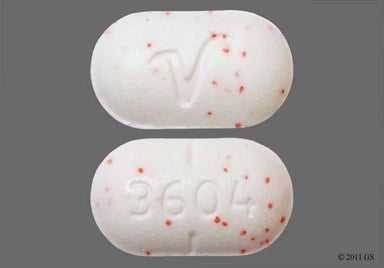
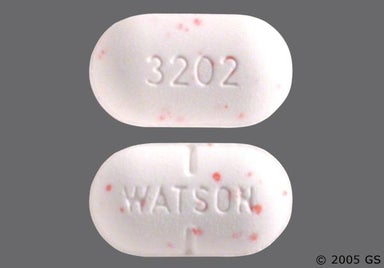
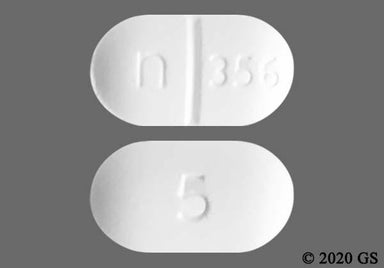
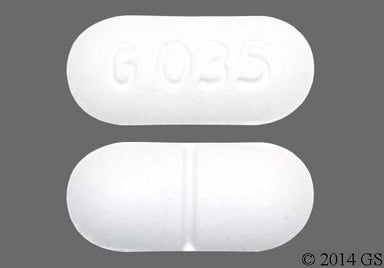
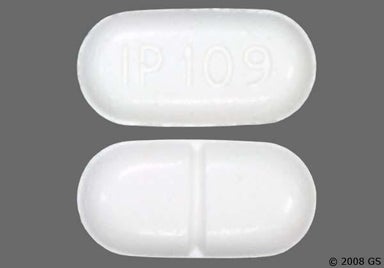
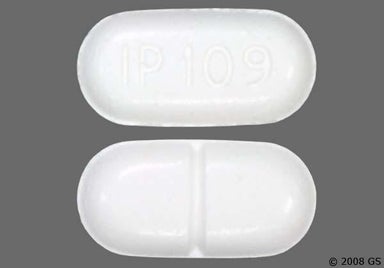
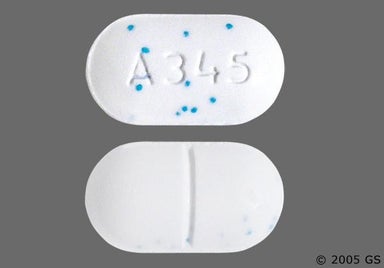
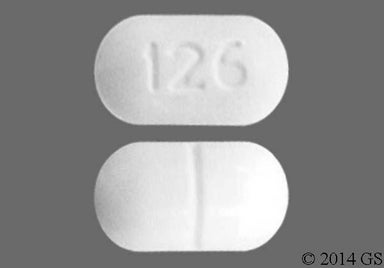
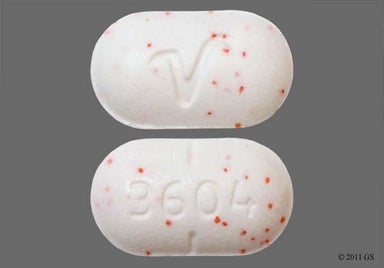
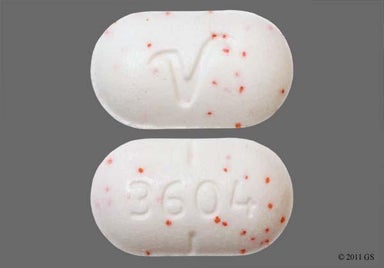
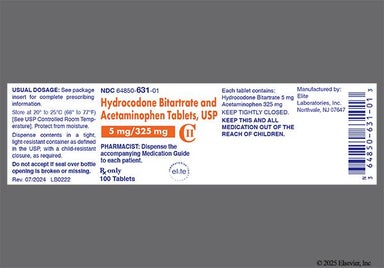
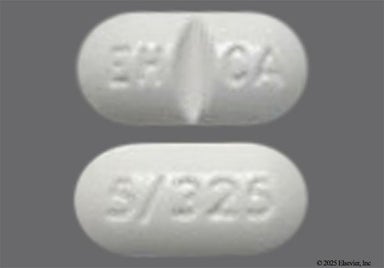
Prescription savings
Stop paying too much for your prescriptions. Compare prices, get pharmacy coupons, and save up to 80%. Find expert answers to your health questions so you can make the best decisions for yourself and your family.
Health conditions
Medications & treatment
Access & affordability
Medication discounts


Yes, opioid medications like Lortab can make you sleepy. Be sure your prescriber and care team know if you're taking other medications that make you sleepy, such as benzodiazepines or muscle relaxants. Also, avoid alcohol while you're taking opioid medications. Mixing Lortab with these types of medications or alcohol can worsen sleepiness. Make sure to avoid driving or doing anything that requires concentration until you know how Lortab affects you.
Lortab is typically prescribed for use every 4 to 6 hours as needed for pain relief. But your prescriber might make changes to how often you should take it (for example, less often). This depends on your pain level, your medical condition(s), and the other medications you're taking. Take Lortab exactly as prescribed so that the medication is as safe as possible for you. It's best to take the lowest dose of Lortab, or any opioid medication, for the shortest amount of time possible. Talk to your prescriber if you're concerned about how well this medication is working for you or if you're not sure how often to take the medication.
It takes about 30 minutes for Lortab to start relieving pain.
Taking too many doses of Lortab can lead to an opioid overdose. An overdose can be life-threatening and is a medical emergency. Signs and symptoms of an overdose include pale skin, blue lips, shallow or slowed breathing, and unconsciousness. Since Lortab contains acetaminophen (Tylenol), taking too much can also cause liver problems. Make sure to take opioid pain medications like Lortab exactly as prescribed. And call 911 right away if you or a loved one notices any signs or symptoms of an opioid overdose.
Yes, it's generally safe to take ibuprofen (Advil) or other nonsteroidal anti-inflammatory drugs (NSAIDS) with Lortab. It's typically recommended for you to take non-opioid pain medications like ibuprofen (Advil) with Lortab for additional pain relief. This helps lower the amount of opioids you take and lessen the risks that come with opioid use. Be sure to ask your prescriber or pharmacist first whether it's safe for you to take ibuprofen (Advil) if you have kidney problems, heart problems, or recent heart attack.
You should avoid taking Lortab with Tylenol. Lortab already contains acetaminophen, which is commonly known as Tylenol. Taking Lortab with over-the-counter Tylenol or other medications that contain acetaminophen can put you at risk for accidentally taking too much acetaminophen. This can lead to serious harm to the liver. Ask your pharmacist to help choose an over-the-counter product that doesn't have acetaminophen in it for more pain relief or fever.
Yes, Lortab and other opioid medications have a risk for addiction. This is one of the reasons why opioid medications are controlled substance. Addiction can happen as a result of misuse, or when a medication is used for non-medical reasons for its desirable physical or emotional effects. Signs of addiction can include cravings for the medication, continued medication use even though you have negative consequences from it, and withdrawal symptoms when you stop taking it. Take opioid medications like Lortab exactly as prescribed to you. Don't change the dose or how often you take the medication without talking to your prescriber first. Talk with your prescriber if you're concerned about the risk for addiction with opioid medications.
