lofexidine
Lucemyra (lofexidine) is a prescription medication that can be used to relieve opioid withdrawal symptoms in adults. This medication belongs to a drug class called alpha-2 agonists. It lowers norepinephrine levels in the brain to help lessen some withdrawal symptoms, such as chills, stomach cramps, and body aches. Lucemyra (lofexidine) is taken by mouth 4 times daily, and doses must be taken 5 to 6 hours apart. Side effects include dizziness and trouble sleeping.


What is Lucemyra (lofexidine)?
What is Lucemyra (lofexidine) used for?
- Lessening opioid withdrawal symptoms in adults
How Lucemyra (lofexidine) works
Lucemyra (lofexidine) is an alpha-2 adrenergic receptor agonist. It works by lowering the levels of norepinephrine, which is a chemical that's released in the brain and plays a role in causing opioid withdrawal symptoms. Lucemyra (lofexidine) also relaxes your blood vessels, which lowers your blood pressure and slows down your heart rate. This helps to calm your body overall.
Drug facts
| Common Brands | Lucemyra |
|---|---|
| Drug Class | Alpha-2-adrenergic receptor agonist |
| Controlled Substance Classification | Not a controlled medication |
| Generic Status | Lower-cost generic available |
| Availability | Prescription only |

Side effects of Lucemyra (lofexidine)
The following side effects may get better over time as your body gets used to the medication. Let your healthcare provider know immediately if you continue to experience these symptoms or if they worsen over time.
Common Side Effects
- Trouble sleeping (51-55%)
- Lightheadedness when standing after sitting (29-42%)
- Slow heart rate (24-32%)
- Low blood pressure (30%)
- Dizziness (19-23%)
- Excessive sleepiness (11-13%)
- Dry mouth (10-11%)
Less Common Side Effects
- Ringing in the ears
- Feeling faint
Lucemyra (lofexidine) serious side effects
Contact your healthcare provider immediately if you experience any of the following.
- Abnormal heart rhythm: chest pounding, irregular heartbeat, chest pain, short of breath, feeling faint or lightheaded
- Opioid overdose (if opioid medication is restarted): trouble breathing, shallow breathing, not responding to sound or touch, extremely sleepy, blue skin
The following Lucemyra (lofexidine) side effects have also been reported
Side effects that you should report to your care team as soon as possible:
- Allergic reactions—skin rash, itching, hives, swelling of the face, lips, tongue, or throat
- CNS depression—slow or shallow breathing, shortness of breath, feeling faint, dizziness, confusion, trouble staying awake
- Heart rhythm changes— fast or irregular heartbeat, dizziness, feeling faint or lightheaded, chest pain, trouble breathing
- Low blood pressure—dizziness, feeling faint or lightheaded, blurry vision
- Slow heartbeat—dizziness, feeling faint or lightheaded, confusion, trouble breathing, unusual weakness or fatigue
Side effects that usually do not require medical attention (report these to your care team if they continue or are bothersome):
- Drowsiness
- Dry mouth
- Trouble sleeping

Pros and cons of Lucemyra (lofexidine)
Pros
- Dose can be adjusted to your individual needs to lessen the risk for withdrawal symptoms
- Not an opioid medication, so it's not habit-forming or addictive
- Prescription savings program available for people who are eligible
Cons
- Doesn't completely prevent opioid withdrawal symptoms
- Need to take 4 times a day
- Likely causes low blood pressure or slow heart rate

Pharmacist tips for Lucemyra (lofexidine)

- You can take Lucemyra (lofexidine) with or without food. Make sure to take your doses 5 to 6 hours apart from each other. Don't take this medication for more than 14 days without speaking to your provider.
- Don't drive a car or operate machinery until you know how Lucemyra (lofexidine) affects you. This medication can make you sleepy, which can potentially lead to accidents if you're not careful.
- Avoid drinking alcohol while you're taking Lucemyra (lofexidine) since this combination can lead to excessive sleepiness.
- Lucemyra (lofexidine) can lower your blood pressure or slow down your heart rate, which can cause dizziness and lightheadedness. Get up slowly from a sitting or lying down position after you take the medication so you don't feel dizzy or fall. Tell your provider if you faint or feel dizzy while you're taking this medication.
- Make sure to drink fluids or water throughout the day to stay hydrated while you're taking Lucemyra (lofexidine). Doing so can lower your risk of low blood pressure.
- Before starting any new medications, let your providers know. Your provider can check that it's safe to take those medications with Lucemyra (lofexidine) or tell you what side effects to watch out for. Lucemyra (lofexidine) can interact with certain medications, such as naltrexone (Vivitrol) and paroxetine (Paxil).
- Don't take opioid medications while you're getting treated with Lucemyra (lofexidine). You can become more sensitive to the effects of opioids after you haven't used them for a period of time. If you use an opioid medication again after you've stopped for some time, you can be at greater risk of overdosing.
- Talk with your provider first if you want to stop Lucemyra (lofexidine). Don't suddenly stop taking the medication because doing so can raise your risk for high blood pressure. Your provider can help you stop this medication safely by lowering your dose slowly over time.

Risks and warnings for Lucemyra (lofexidine)
Lucemyra (lofexidine) can cause some serious health issues. This risk may be even higher for certain groups. If this worries you, talk to your doctor or pharmacist about other options.
Low blood pressure, slow heart rate, and fainting
- Risk factors: Dehydration | Overheating | History of heart problems, slow heart rate, or recent heart attack | History of stroke | Kidney failure | Taking medications that lower blood pressure or heart rate
Lucemyra (lofexidine) can lower your blood pressure and heart rate, which can put you at risk of fainting. Some medical conditions and medications can raise your risk for these side effects. Tell your providers about your medical history and all your medications so they can decide whether Lucemyra (lofexidine) is safe for you to take.
While you're taking Lucemyra (lofexidine), it's important that you watch out for symptoms of dizziness, lightheadedness, and feeling faint when you change positions too quickly. Tell your provider right away if you have these symptoms so your provider can adjust your dose as needed. Skip your scheduled dose of Lucemyra (lofexidine) if your symptoms haven't gone away and you can't reach your provider.
Get up slowly from a sitting or lying down position to prevent a sudden drop in blood pressure. During treatment, stay cool and drink plenty of fluids since dehydration and overheating can lower your blood pressure as well.
Life-threatening abnormal heart rhythm
- Risk factors: Heart failure | Slow heart rhythm | Kidney problems | Liver problems | Low magnesium or potassium levels | Taking medications that can cause abnormal heart rhythm (e.g., methadone (Methadose))
Lucemyra (lofexidine) can affect your heart rhythm because it can affect how long it takes for the heart to pump and then relax. This is known as QT prolongation or long QT syndrome. Abnormal heart rhythms caused by this problem can be serious and life-threatening.
Tell your providers about your medical history and all the medications you take so they can check for your risk for QT prolongation. It's typically higher if you have certain factors, like abnormal electrolyte levels and heart rhythm problems. Your risk is also higher if you're taking other medications that cause heart rhythm problems, such as methadone (Methadose).
Your provider might check your heart and perform electrocardiograms (EKGs) to make sure your heart rhythm is normal. Call 911 right away if you feel your chest pounding, have shortness of breath, have chest pain, or feel faint or lightheaded while you're taking Lucemyra (lofexidine).
Excessive sleepiness
- Risk factors: Taking benzodiazepines, barbiturates, or other medications that cause drowsiness | Taking other medications that can slow your body down | Drinking alcohol
Lucemyra (lofexidine) can make you feel very sleepy and can affect your ability to think. The risk is higher if you drink alcohol or if you take medications that make you drowsy or slow your body down, such as benzodiazepines and sleep medications. Don't drive a car or operate machinery right after you take Lucemyra (lofexidine) and until you know how the medication affects you. Get medical attention right away if you have symptoms such as slurred speech, lightheadedness, confusion, dizziness, or excessive drowsiness.
Higher risk of opioid overdose
- Risk factor: Opioid use disorder
Lucemyra (lofexidine) is only used to relieve opioid withdrawal symptoms after you've suddenly stopped taking an opioid medication. It's not approved for treating opioid use disorder (opioid addiction).
Once you've completed a treatment plan to stop using an opioid, you can become more sensitive to opioids. This can lead to a higher risk of a fatal overdose if you restart an opioid medication. Work closely with your provider to manage your opioid withdrawal symptoms. Get medical help right away if your family or friend notices you have slow and shallow breathing; this can be a sign of an overdose.
Withdrawal side effects
Suddenly stopping Lucemyra (lofexidine) can make your blood pressure go up, which can be dangerous. People have also had other symptoms, such as trouble sleeping, anxiety, chills, excessive sweating, and pain in the arms and legs, after they stopped taking this medication. Talk with your provider if you want to stop Lucemyra (lofexidine). Your provider can help you safely stop this medication by lowering your dose slowly over time.

Lucemyra (lofexidine) dosage
 Tablet
| Dosage | Quantity | Price as low as | Price per unit |
|---|---|---|---|
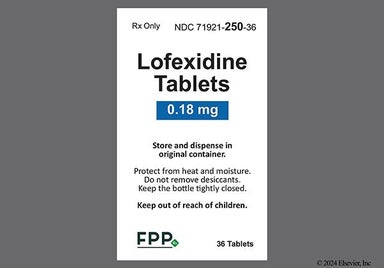
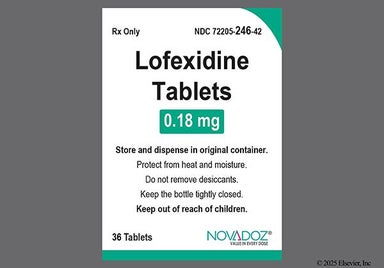
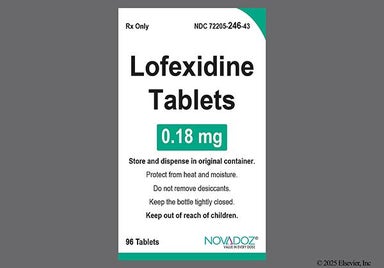
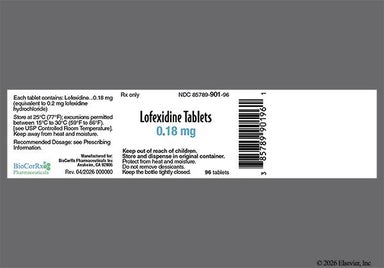
| 0.18mg | 96 tablets | $352.32 | $3.67 |

How much does Lucemyra (lofexidine) cost?

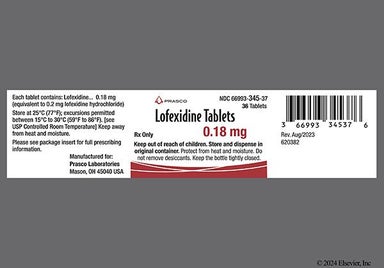
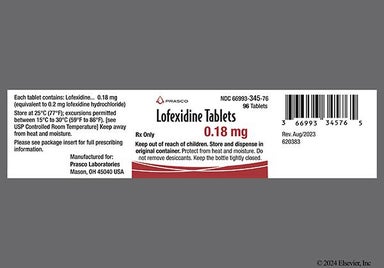
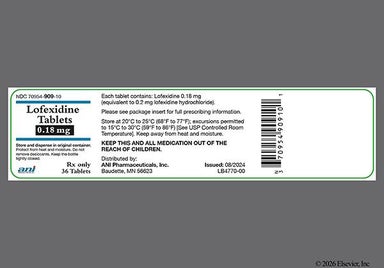
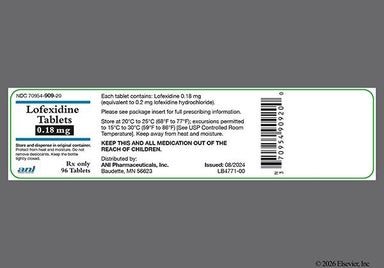
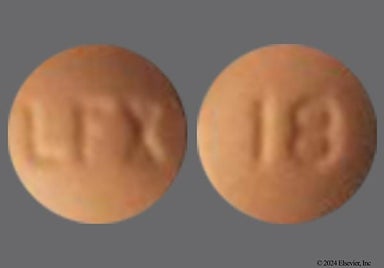
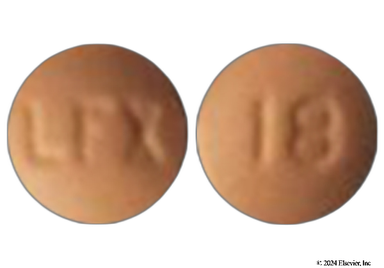
Lucemyra (lofexidine) images